Not just promotion, but positioning
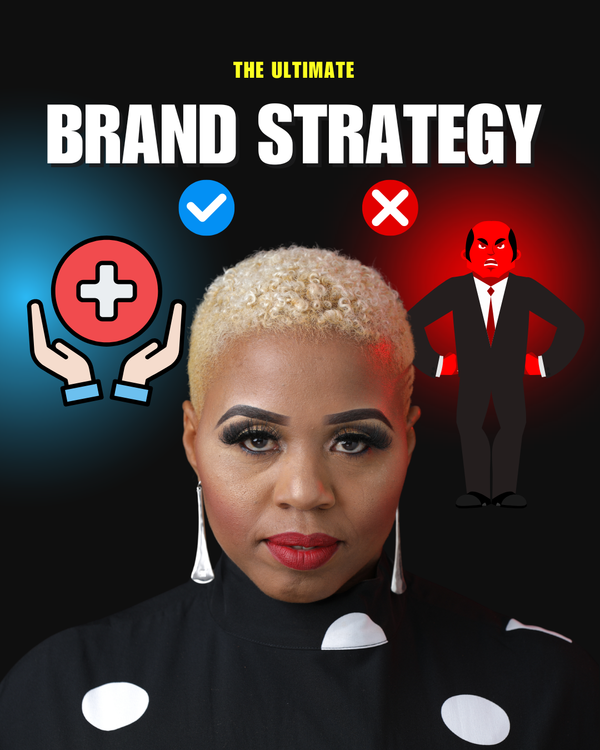
Most host-city campaigns follow a familiar formula: broad smiles, polished visuals, and language so generic it could belong to almost anywhere. The concept tied to Stephanie Coleman and Neutral Grey takes another route. Its defining line — “If you’re coming to H-Town, bring respect, sunscreen, and maybe a jersey. Leave the chants at customs.” — immediately signals a campaign with posture.
That posture matters. Instead of asking the world to notice Houston, the campaign assumes people are already coming and focuses on how they should arrive. This is less about selling destination appeal than about establishing tone. Houston is cast as confident, welcoming, and culturally self-aware, not eager for approval.
The mechanics of the message
From a branding perspective, the line does several things efficiently. It introduces local climate through “sunscreen,” football culture through “maybe a jersey,” and behavioral expectations through “bring respect.” Then it flips the register with “leave the chants at customs,” a phrase that rejects imported performative aggression without rejecting fandom itself.
That balance is difficult to strike. Too soft, and the message disappears into standard event language. Too aggressive, and a city risks sounding hostile. Here, the creative tension is the advantage. The campaign invites visitors in while making clear that Houston does not intend to be overwhelmed by outside noise.
- Local specificity gives the copy texture.
- Humor keeps it shareable.
- Boundaries give it meaning.
Why Stephanie Coleman and Neutral Grey make sense together
Although the source material offers only a brief glimpse, the partnership itself suggests a campaign that blends editorial instinct with strategic brand construction. Stephanie Coleman brings a named creative identity to the effort, while Neutral Grey signals a studio or agency framework capable of translating a strong line into a broader public-facing platform.
A true campaign for Houston and the World Cup would need precisely that mix. It cannot survive as a one-off slogan. It has to work across civic messaging, digital storytelling, merchandise, public installations, and social conversation. The idea has to be durable enough to function in different formats while retaining its voice.
A city speaking in first person
The strongest element here is authorship. This does not sound like a line written by committee for universal approval. It sounds like Houston speaking in first person — maybe with a little side-eye, definitely with self-possession. That authenticity is often what separates memorable place branding from visual wallpaper.
For the World Cup, host cities face a specific challenge: how to participate in a massive global event without becoming visually and culturally interchangeable. This campaign answers that challenge by refusing blandness. It says Houston can host the world without muting its own personality.
The most effective city branding is not “Look at us.” It is “This is who we are.”
If Coleman and Neutral Grey are indeed shaping a full campaign around this voice, Houston may have found a rare thing in event marketing: a message with both hospitality and backbone.