
BATON ROUGE, La. — From Louisiana’s “Good Darky” Statue to the Million Man March: Who Defines Black Manhood?
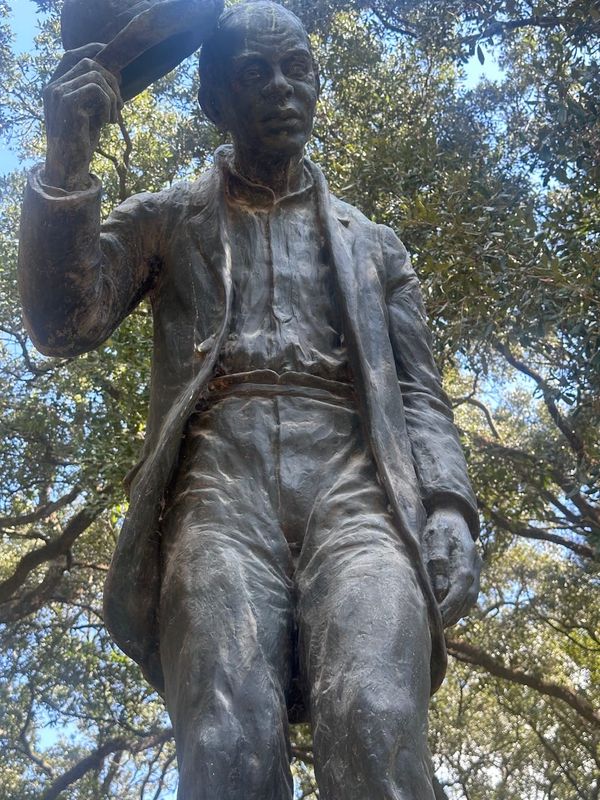
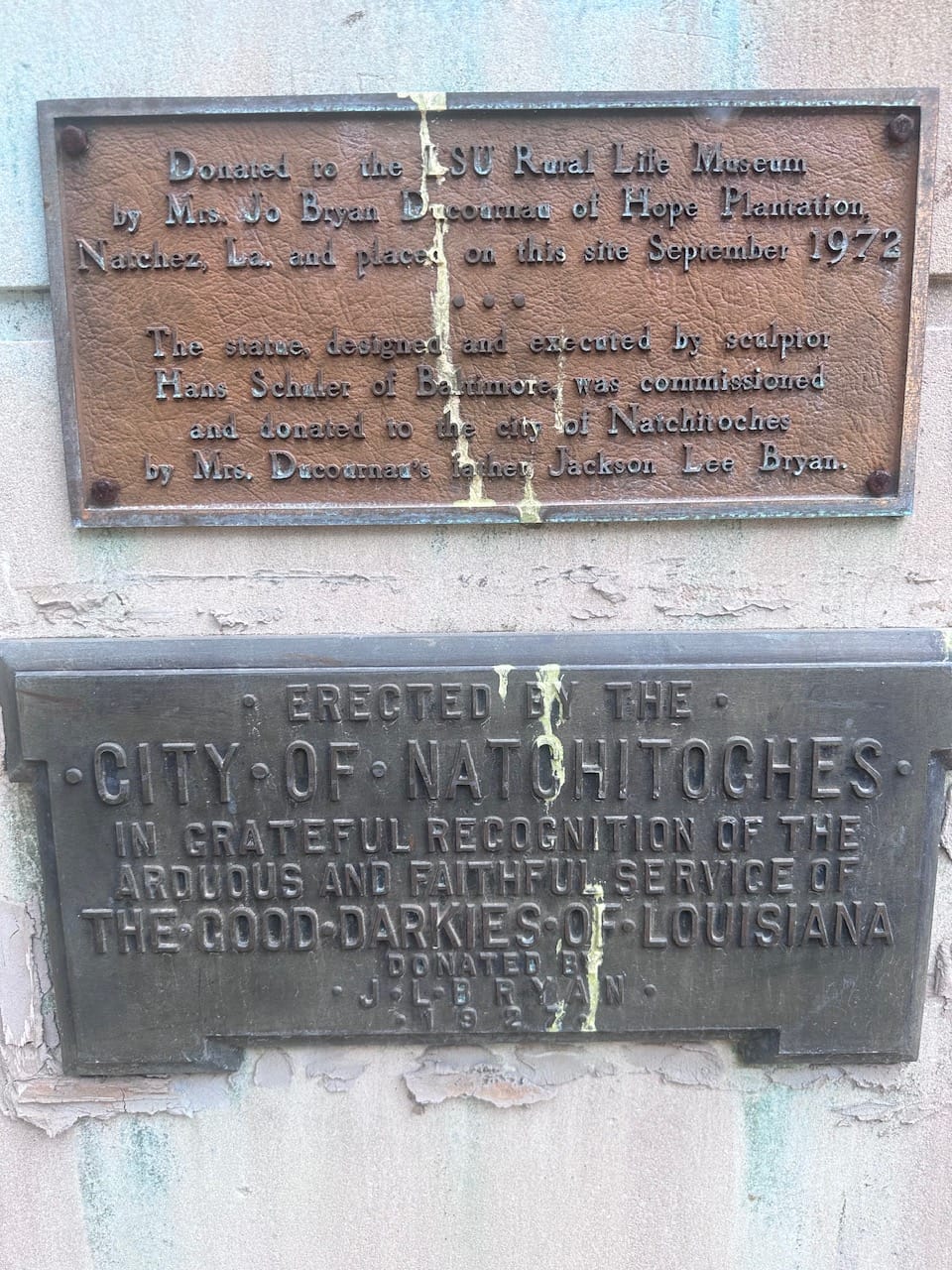
At the LSU Rural Life Museum, one answer stands in bronze beneath the oaks. A Black man raises a hand to tip his hat. The inscription on his pedestal praises the “arduous and faithful service” of “THE GOOD DARKIES OF LOUISIANA.”
The language is not a paraphrase. It is the dedication.
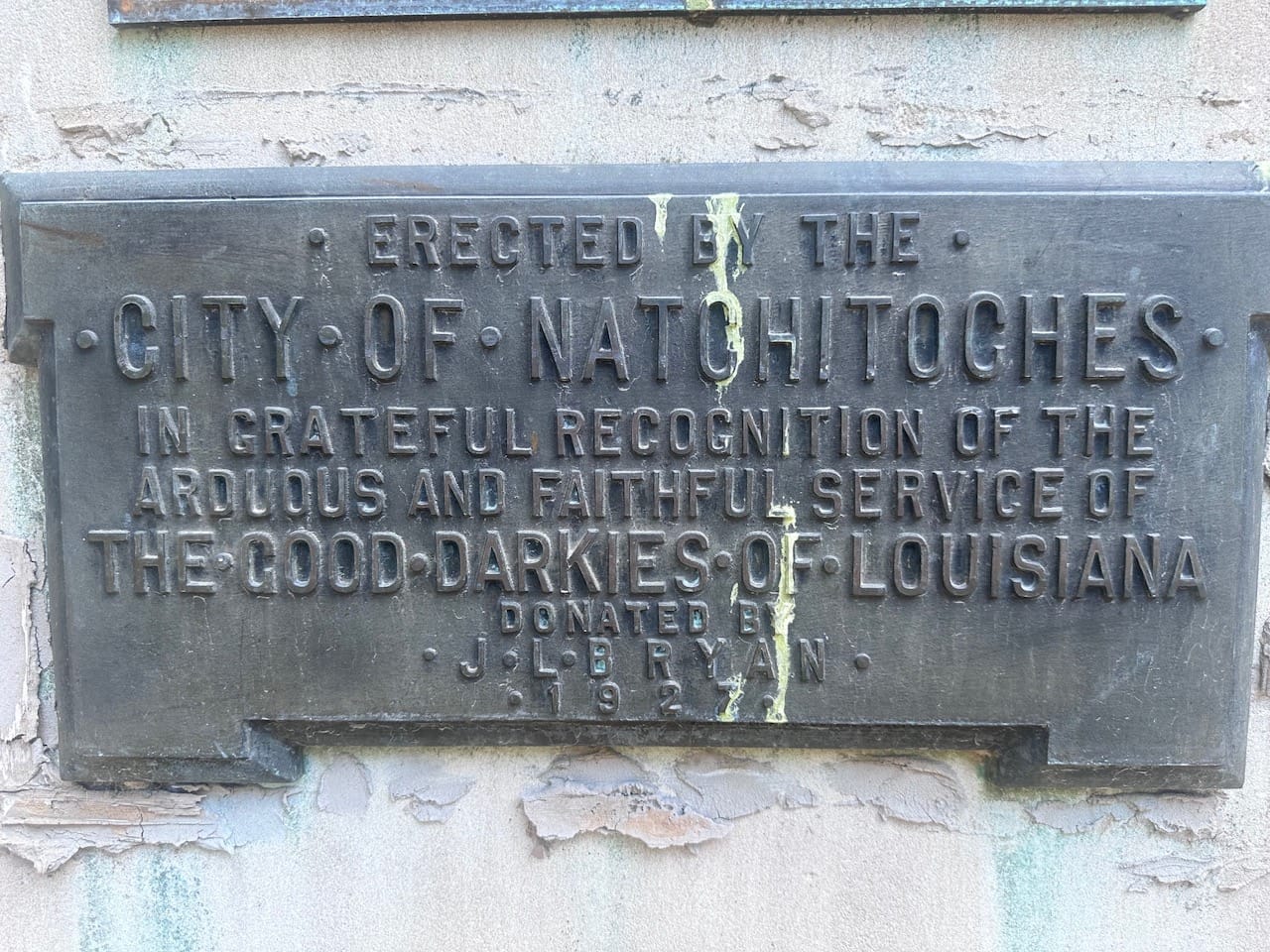
Erected by the City of Natchitoches in 1927, the monument offers more than an offensive name. It preserves an expectation: the Black man worthy of public recognition was the man whose service others found satisfactory.
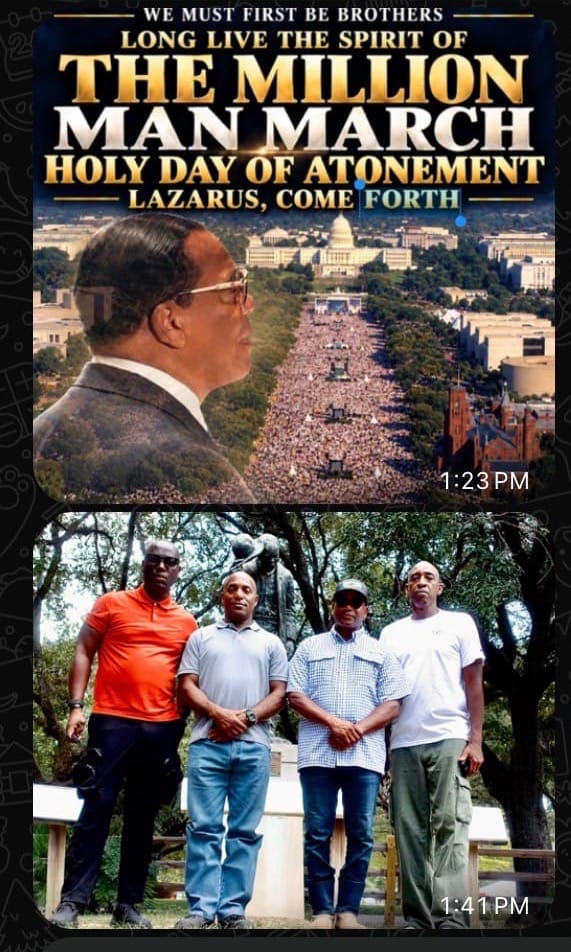
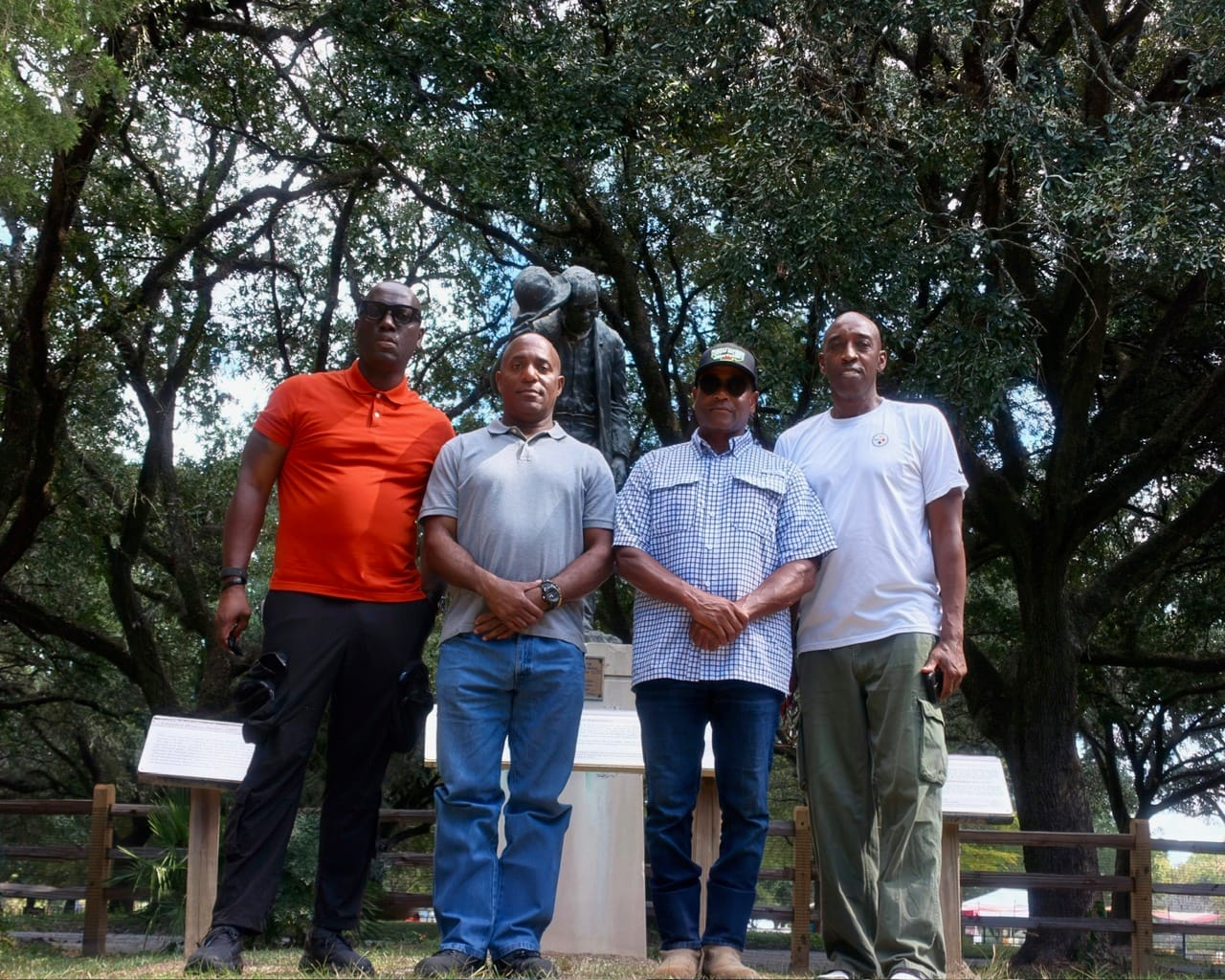
On October 16, 2026, I stood before that figure with another image in mind.
Thirty-one years earlier, I had stood on the National Mall for the Million Man March.
The question connecting those places was not simply how much had changed. It was who held the authority to define us.
The Word “Good” Is Doing the Work
The racial slur commands attention. But the word preceding it deserves scrutiny, too.
“Good” according to whom?
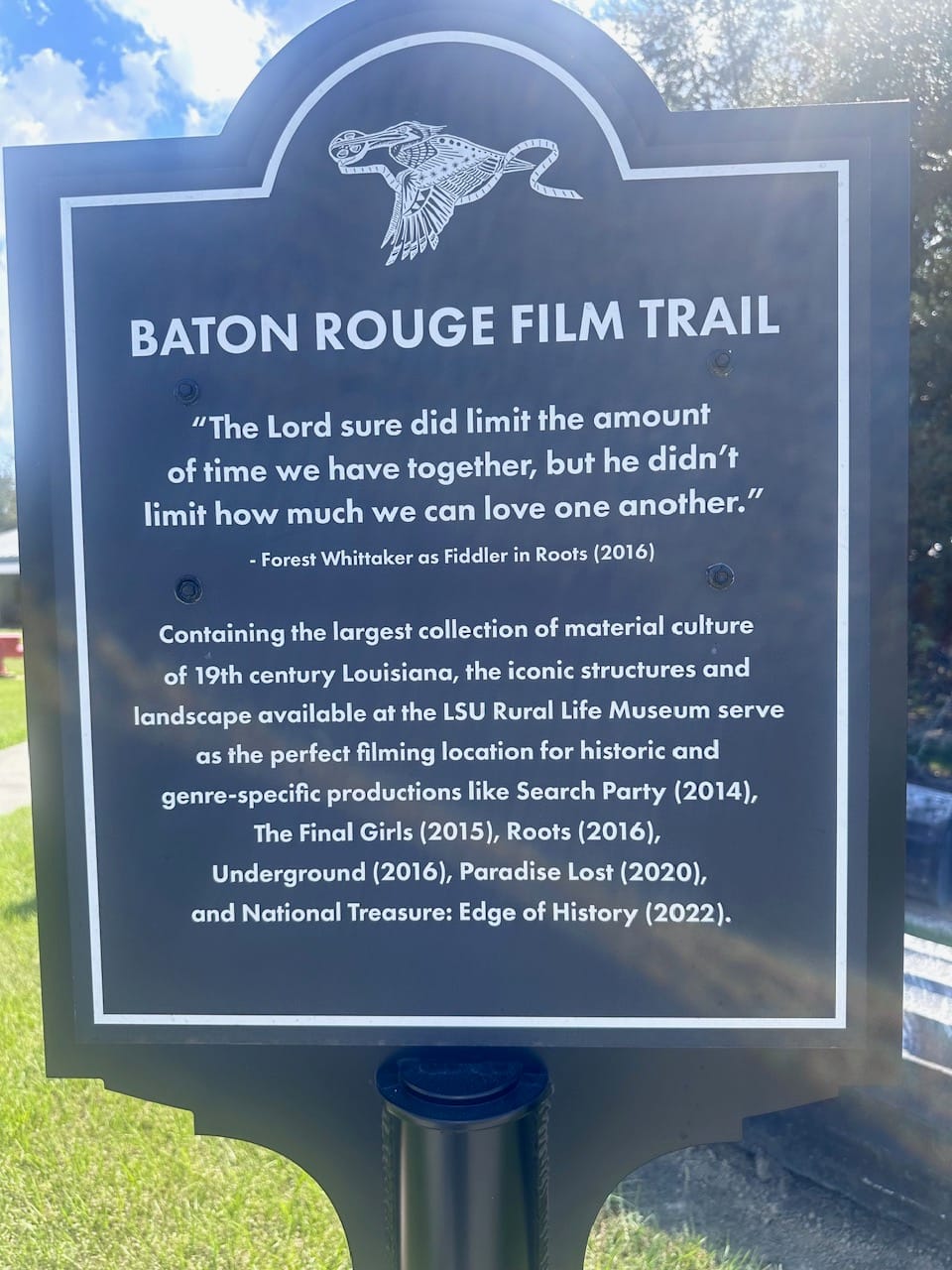
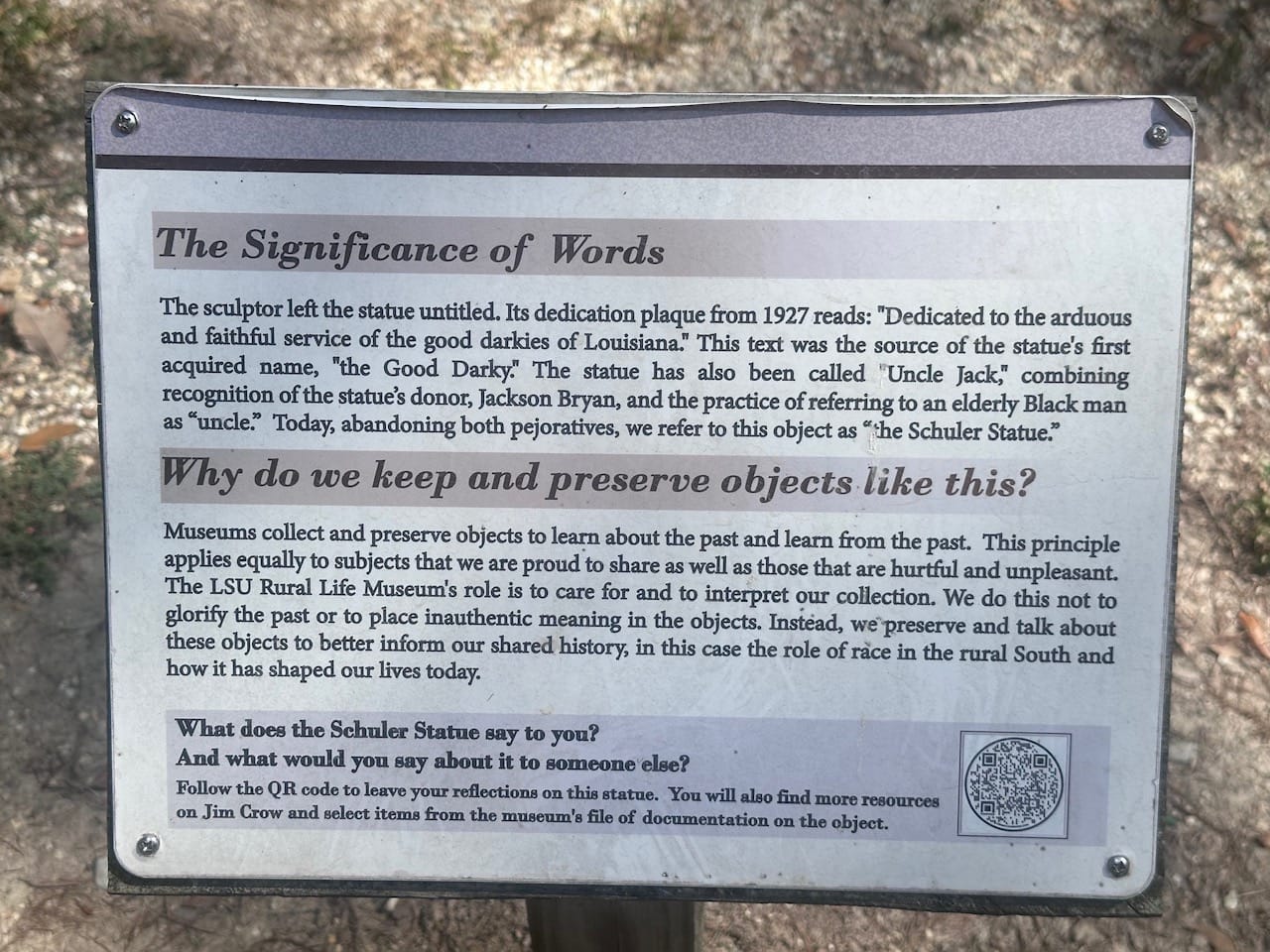
The sculptor, Hans Schuler of Baltimore, left the work untitled. According to the museum’s sign, the dedication supplied its acquired name, “the Good Darky.” It was also called “Uncle Jack.” Today, the museum calls it the Schuler Statue.
The original plaque identifies J.L. Bryan as the donor. A second records its donation to the museum in 1972 by Mrs. Jo Bryan Ducournau of Hope Plantation.
The museum explains that preserving such objects is not an act of glorification. It is an opportunity to interpret race in the rural South and its continuing influence.
That purpose requires more than noticing that the inscription is racist. It requires examining the bargain beneath the praise.
Service itself is honorable. But when a people’s public worth is measured through their usefulness to others, recognition becomes conditional. The statue leaves a Black man permanently performing the gesture that accompanies his approval.
He cannot lower his hand. He cannot speak back. The pedestal speaks for him.
Did You Know? Black Leadership Was Central to the Million Man March
The Million Man March was called by Minister Louis Farrakhan, with Benjamin Chavis Jr. serving as national director. Its organizing network included the Nation of Islam, the National African American Leadership Summit, local NAACP chapters, and other participants. Black women also helped organize, promote, and raise money for the gathering.
That makes Black leadership and self-determination central to its story. It does not make “organized solely by Black men” an accurate description.
The distinction does not diminish what the march asked of men. It makes that responsibility clearer: others could help bring us there, but they could not do our reckoning for us.
Nor does the contrast require dismissing the 1963 March on Washington as an event financed by white liberals. That march emerged from Black leadership and a broader civil rights, labor, and religious coalition, with substantial union support, including funding from the United Auto Workers.
The important distinction in my experience of 1995 was not a claim that no one else had contributed. It was that Black men were being summoned to examine themselves.
From Being Judged to Accepting Judgment
I drove from Beaumont, Texas, to Washington with two of my biological brothers. We made the trip in twenty-four hours. A ticket along the way did not stop us.
At four in the morning, we walked from our hotel to the Mall. We stood from sunup to sundown.
Men had closed businesses, taken unpaid time, paid their own way, and donated. They were not gathering to be congratulated for their service. They were answering a call to atonement.
That difference matters.
Rejecting someone else’s degrading definition of Black manhood does not free us from standards. It requires us to accept standards that demand more than obedience or appearances.
What kind of fathers were we being? What responsibilities had we neglected? What had we allowed to break—and what were we willing to repair?
We could confront what had been done to us without refusing to confront what we had done to ourselves.
“Lazarus, come forth” was the spirit. Coming out of the grave meant accepting the obligations of being alive.
A Crowd Cannot Do a Man’s Work for Him
The statue fixes one man in a posture. An anniversary can fix a gathering in memory just as easily.
We remember the journey, the cold, the brothers beside us, the sight of men filling the Mall. But the power of that day cannot become a substitute for what it demanded afterward.
Attendance was not completion.
Neither was pride.
If we define ourselves only by having been there, we risk turning a call to action into another monument—something admired without being lived.
The measure is what happened when we returned home. Whether we kept our word. Whether we became more present. Whether another man could depend on us when no crowd was watching.
Who Defines Black Manhood?
The bronze figure cannot answer the inscription above him. We can answer the expectations it represents.
But our answer has to be larger than rejecting an insult.
It has to include the homes we strengthen, the responsibilities we stop avoiding, and the men we refuse to abandon. It has to make brotherhood a duty rather than a declaration.
That is why the Million Man March remains more than an anniversary to me.
The call did not expire on October 16, 1995.
If you were there, the work continues.
If you were not there, the call is still open.
