A grassroots model of public memory
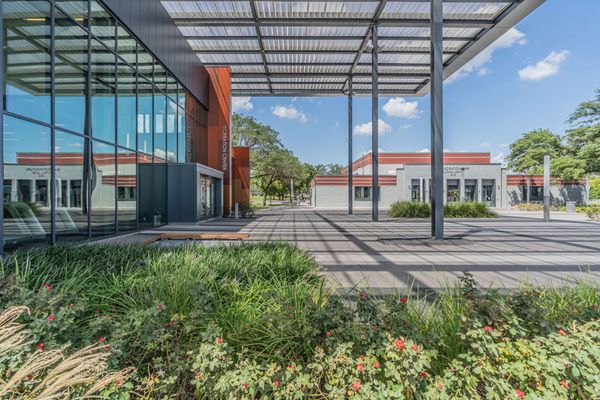
In 1872, formerly enslaved Black men in Houston purchased land for a very specific civic purpose: to create a permanent place where Black Texans could celebrate Juneteenth. That land became Emancipation Park, and its history offers a sharp lesson in how public space is often built from necessity rather than generosity.
The park’s significance lies not only in its connection to emancipation, but in the fact that it was intentionally established by those most directly affected by slavery’s legacy. It was a response to exclusion and a declaration of presence. In other words, it was community infrastructure designed to protect historical memory.
Why this matters beyond one city
Public parks are often framed as neutral civic amenities. Emancipation Park complicates that idea. Its origin shows that access to public space has never been evenly distributed, and that marginalized communities have often had to create their own venues for assembly, celebration, and historical remembrance.
That makes the park a compelling case study in self-determined placemaking. The men who bought the land were doing more than securing recreation space. They were institutionalizing a cultural and political memory. Juneteenth, after all, marks both liberation and delay: the news of emancipation reaching enslaved people in Texas after freedom had already been declared elsewhere. To celebrate that history in a permanent location was to insist that it not be forgotten or diluted.
- Community ownership turned memory into a physical landmark.
- Dedicated purpose made the park distinct from ordinary municipal space.
- Intergenerational use helped sustain Juneteenth long before it gained national visibility.
A new audience in 2026
Houston’s selection as a host city for FIFA 2026 gives this history fresh relevance. International tournaments often spotlight stadiums, transit systems, and entertainment districts. But major global events also create openings for cities to present deeper narratives about who they are.
Emancipation Park offers Houston one of its clearest opportunities to do that. It can function as a living classroom for visitors who may know little or nothing about Juneteenth. More importantly, it demonstrates that freedom is not only a legal status but a social practice shaped by where people gather, commemorate, and build community.
Emancipation Park reminds us that liberation is remembered not only through laws and anniversaries, but through spaces communities claim and sustain for themselves.
The broader lesson
At a time when cities compete to showcase themselves on the global stage, Emancipation Park points to a more grounded definition of significance. Its power does not come from size or spectacle. It comes from purpose. It exists because formerly enslaved men understood that if freedom was to endure in public memory, it needed a public home.
That insight still resonates. The park stands as evidence that civic life is not shaped only by governments and institutions. Communities, too, build the places where history lives. As Houston welcomes the world in 2026, Emancipation Park may be one of the most important spaces visitors encounter precisely because it reveals how ordinary people created an extraordinary legacy.