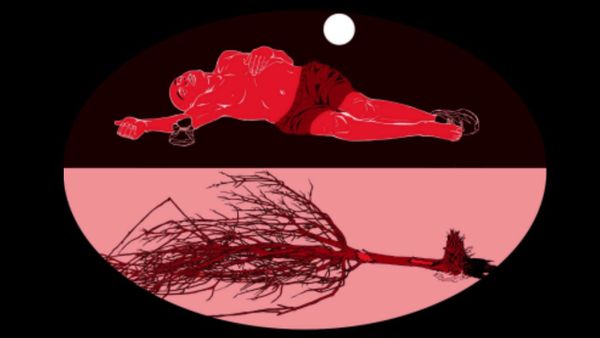
In the heart of Houston’s historic Third Ward, a groundbreaking dual exhibition by artist Lance Flowers is bringing a profound narrative to life. “Take Me As I Am: Redemption and Grace for the Discarded” opens today at the Hogan Brown Gallery inside the iconic Eldorado Ballroom and at Yale University’s Institute of Sacred Music. This ambitious showcase draws attention to the cultural preservation of Houston’s Third Ward, a community steeped in history yet grappling with gentrification and displacement.
Inspired by the 19th-century hymn “Take Me As I Am,” Flowers transforms overlooked and repurposed materials into evocative collages that confront societal tendencies to undervalue traditions, objects, and communities. By gathering materials from his childhood neighborhood, Flowers’ art serves as a powerful commentary on the resilience and vibrancy of the Third Ward.
“This is about more than just art,” Flowers remarked. “It’s a call to see beauty in the overlooked and value in the discarded.”
The exhibition’s accompanying programming underscores this ethos, featuring yoga, gospel performances, Danza Azteca rituals, and discussions on the spiritual and cultural intersections of food. Local Third Ward landmarks, from Kindred Stories to Gulf Coast Cosmos Comic Book Co., are woven into the exhibition, creating an immersive and communal experience.
The concurrent exhibition at Yale University bridges local and global perspectives, reflecting on cultural preservation amidst transformation. With multimedia installations capturing the voices and stories of Third Ward residents, Flowers’ work becomes a living archive, safeguarding the community’s legacy.
Through art, dialogue, and shared experiences, Flowers’ “Take Me As I Am” transcends boundaries, illuminating the enduring spirit of the Third Ward while inviting audiences to reimagine redemption and grace in the discarded.