In short, Sugar Land’s partnership with the FIFA World Cup 26 Houston Host Committee gives the city a way to benefit from one of the world’s biggest sporting events without hosting matches itself. It positions Sugar Land to gain more tourism, stronger business visibility, and a larger regional profile during Houston’s World Cup summer in 2026. For visitors and locals, it also means more events, more community activity, and more attention on Sugar Land’s venues, restaurants, and hospitality.
What is Sugar Land’s World Cup role?
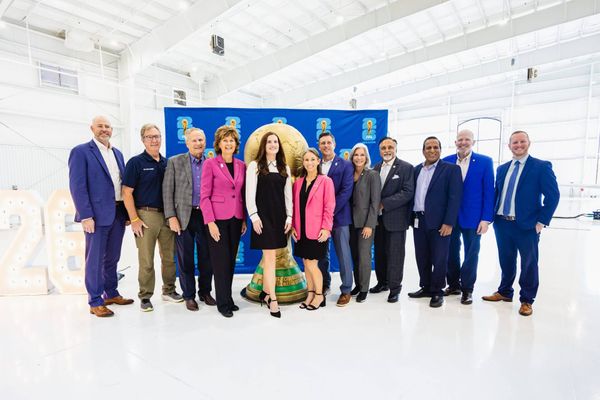
Sugar Land is an Official Supporter of FIFA World Cup 26 Houston. That means the city is working with the Houston host committee to help welcome visitors, promote the region, and activate local venues and community programs around the tournament.
The city’s role is regional, not as a match host.
- It can promote its attractions to World Cup visitors.
- It can support tourism and hospitality tied to the event.
- It can use the World Cup platform to grow long-term visibility.
Why is Sugar Land involved?
Sugar Land is using the World Cup to support economic growth and strengthen its image as a destination. City leaders have said the partnership aligns with economic development goals, tourism growth, and long-term business attraction.
The logic is straightforward: when Houston draws a huge international audience, nearby cities can capture some of that attention.
- More visitors can mean more restaurant traffic and hotel stays.
- More visibility can help local brands and venues.
- More exposure can support future business recruitment.
What does this mean for visitors?
For people coming to the Houston region for World Cup 2026, Sugar Land can be part of the wider trip experience. Visitors may use Sugar Land for dining, shopping, events, and stays while attending matches in Houston.
That makes Sugar Land part of the larger World Cup travel map.
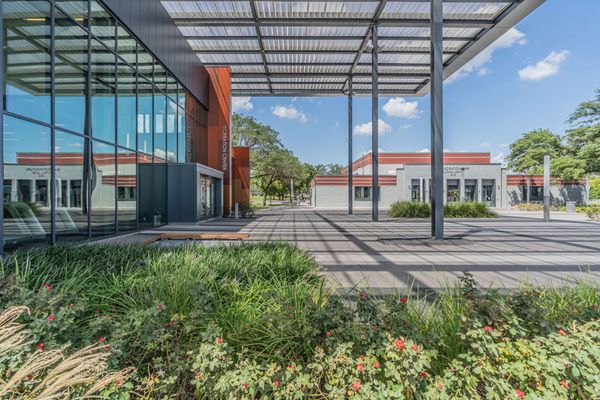
- Sugar Land Town Square offers a walkable visitor experience.
- Smart Financial Centre and Constellation Field add event options.
- Sugar Land Regional Airport adds to the city’s regional access story.
What does this mean for local businesses?
Local businesses in Sugar Land may see more attention before, during, and after the tournament. Restaurants, hotels, retailers, and event venues all stand to benefit if the city markets itself well to visiting fans and regional partners.
The bigger opportunity is longer-term.
- New visitors may return after the tournament.
- Businesses can build relationships with regional audiences.
- The city can strengthen its reputation as a destination, not just a suburb.
Why Sugar Land matters in Greater Houston
Sugar Land stands out because of its size, its business base, and its diversity. It is one of the most established suburban cities in the Houston area, and its inclusion in the World Cup story shows that the event’s economic impact can spread well beyond the stadium.
That matters for the whole region.
- Houston gets the matches.
- Nearby cities get overflow interest.
- The region presents itself as one connected destination.
What happens next in 2026?
As World Cup 2026 gets closer, Sugar Land will likely increase its marketing, volunteer efforts, and community programming. Expect more public-facing promotion of venues, tourism options, and regional partnerships.
The city’s success will depend on how well it turns awareness into action.
- Community engagement will help build local excitement.
- Venue activation can create more reasons to visit.
- Business outreach can turn short-term attention into lasting gains.
What this means for Houston in 2026
Sugar Land’s partnership shows how World Cup 2026 is not just a Houston stadium story. It is a regional story that includes nearby cities helping shape the visitor experience and the economic impact.
For Houston residents, that means more options for pregame and postgame plans, more regional collaboration, and more visible pride across Greater Houston.
FAQ
Is Sugar Land hosting World Cup matches?
No. The matches are in Houston, but Sugar Land is an Official Supporter and part of the regional strategy around the tournament.
Why did Sugar Land join the World Cup effort?
The city wants to boost tourism, support local businesses, and strengthen its long-term economic development goals.
How can Sugar Land benefit if it is not a host city?
It can still gain from visitor spending, regional tourism, business visibility, and media exposure tied to the World Cup.
Which Sugar Land places matter most for visitors?
Sugar Land Town Square, First Colony Mall, Smart Financial Centre, Constellation Field, and Sugar Land Regional Airport are all part of the city’s World Cup-ready profile.
What is the main long-term goal?
The main goal is to turn World Cup attention into lasting economic and tourism growth for Sugar Land.
Will Sugar Land have World Cup events?
The city is expected to activate community programs, marketing, and venue-based experiences, though specific events may be announced closer to the tournament.
Why does Sugar Land matter to Houston’s World Cup story?
It helps show that the tournament’s impact will reach across the region, not just inside the stadium footprint.
Where can readers learn more about Sugar Land?
Readers can explore the city’s official tourism and economic development information for updates on World Cup-related activities and partnerships.