Reclaiming Legacy: The Cultural Power of Negro League Storytelling
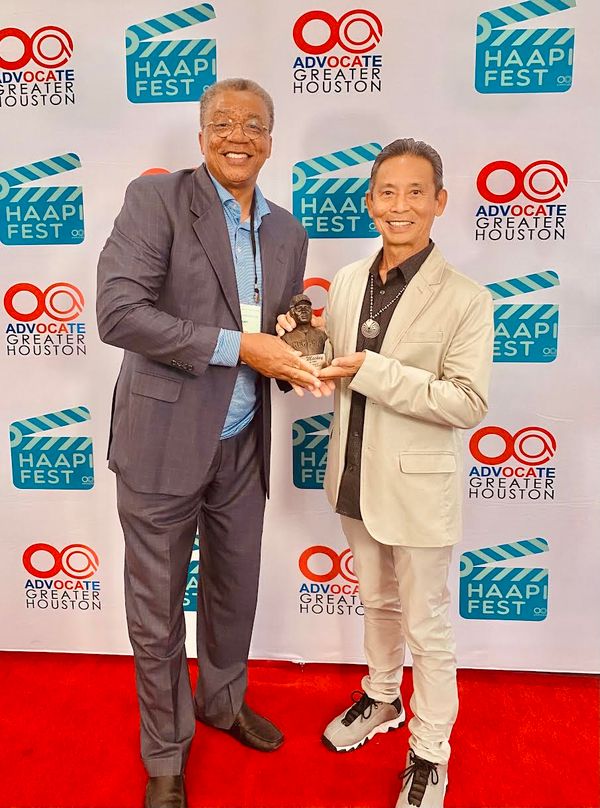
Red Carpet Image during HAAPIFEST Film Festival

Reclaiming Legacy: The Cultural Power of Negro League Storytelling

Negro League history is more than sport—it is cultural memory. Through film and advocacy, the legacy of Biz Mackey is being restored as a cornerstone of American and global heritage.


Share this post

The story of Negro League baseball is often told in fragments, overshadowed by the integration of Major League Baseball. Yet figures like James “Biz” Mackey represent a deeper narrative—one rooted in resilience, excellence, and cultural impact.

Through the efforts of the Biz Mackey Family Foundation, this legacy is being reclaimed and reframed for modern audiences. Chairman Reverend Ray Mackey III has positioned storytelling as a central tool in this mission, most notably through the documentary Diamond Diplomacy.

The film not only highlights Mackey’s athletic achievements but also elevates his role as a cultural connector. His journeys to Japan and interactions across borders underscore how Black athletes contributed to global cultural exchange during an era of segregation at home.

Public appearances, including festival screenings like HAAPIFEST in Houston, have expanded awareness of this history across diverse audiences. These moments signal a broader shift—where stories of Negro League pioneers are no longer niche, but essential to understanding both American identity and international cultural development.

Share this post
Comments

Be the first to know

Join our community and get notified about upcoming stories

Subscribing...
You've been subscribed!
Something went wrong
From Louisiana’s “Good Darky” Statue to the Million Man March: Who Defines Black Manhood?
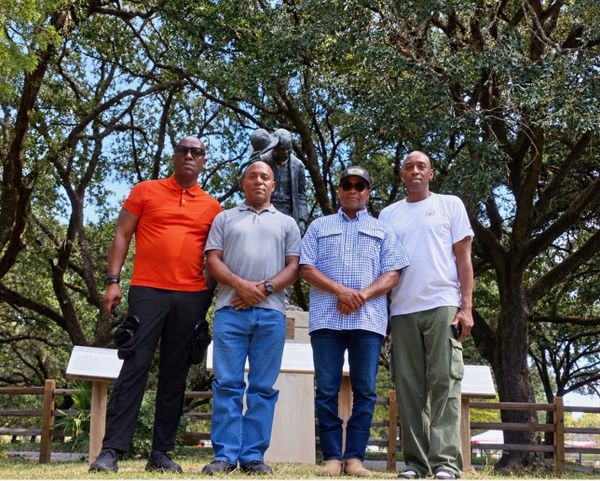
Michael Muhammad, Darryl 7x, Louis Ali, j19 in front of the “Good Darky” and LSU Rural Life Museum in Baton, Rouge La. Photo by J19

From Louisiana’s “Good Darky” Statue to the Million Man March: Who Defines Black Manhood?

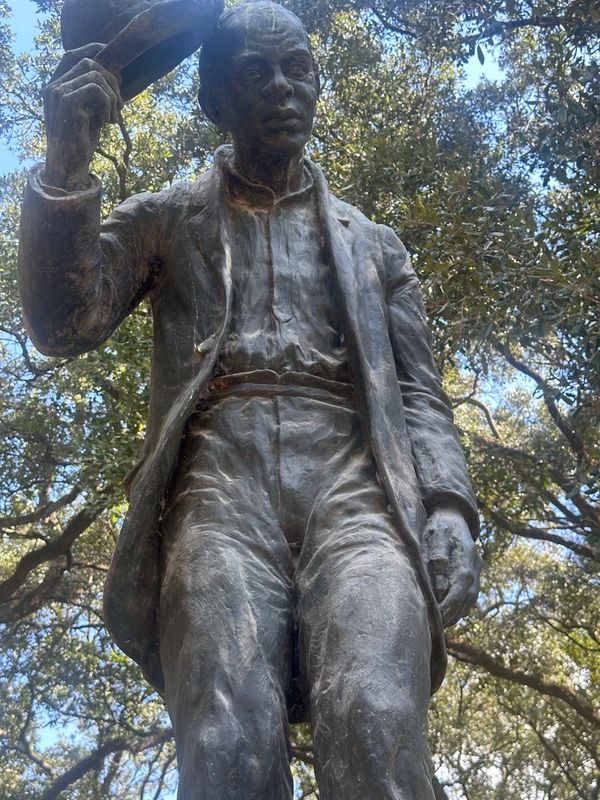
BATON ROUGE, La. — The bronze man under the oaks at the LSU Rural Life Museum still tips his hat. One hand raised, the other at his side. The 1927 plaque on the pedestal is plain: “Erected by the City of Natchitoches in grateful recognition of the arduous and faithful service of THE GOOD DARKIES OF LOUISIANA.” Donated by J.L. Bryan. A later plate notes that the figure, sculpted by Hans Schuler of Baltimore, was given to the museum in 1972 by Mrs. Jo Bryan Ducournau of Hope Plantation. A museum


Tré Exclusives

Tré Exclusives