In short
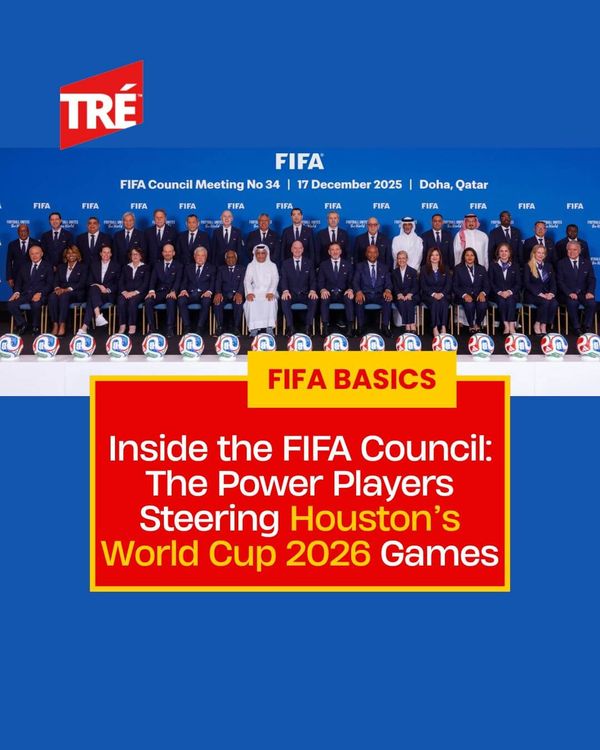
The FIFA Council is soccer’s global decision‑making board—the group that chooses host cities, match schedules, and tournament priorities. As Houston readies for World Cup 2026, understanding these power players explains how global soccer politics translate into local game day realities.
What Is the FIFA Council?
The FIFA Council is the executive branch of FIFA, guiding strategy and policy across world soccer. It’s made up of 37 elected members representing all six continental federations—Europe, Asia, Africa, North America, South America, and Oceania.
Key facts:
- Led by FIFA’s President and Vice Presidents.
- Members serve four‑year terms and vote on host city assignments.
- The Council replaces FIFA’s old Executive Committee, ensuring broader global representation.
Their decisions affect tournaments, financial planning, and development programs worldwide—including how Houston’s matches come to life in June 2026.
Who Are the People Behind FIFA’s Decisions?
Each seat on the Council represents national and continental interests. Members include federation presidents, senior executives, and policy experts who guide FIFA’s direction. The group balances sporting ideals with commercial partnerships, broadcasting rights, and player regulations.
Names may rotate annually, but collectively, they shape soccer’s future—from rule changes to tournament innovation. When Houston learned it would host World Cup matches, it was thanks to years of Council debate and approval signaling the city’s readiness for the world stage.
How Does the FIFA Council Shape Houston’s World Cup 2026 Role?
Houston’s inclusion among the 16 host cities for World Cup 2026 was secured through Council votes based on criteria such as stadium capacity, accessibility, and community support. Since then, additional Council sessions have refined:
- The city’s match schedule and draw placement.
- Stadium upgrades tied to FIFA broadcasting standards.
- Local fan engagement and cultural integration plans.
Every policy—from kickoff times to ticket distribution—stems from Council oversight, ensuring FIFA’s mission of fairness and unity plays out in every host location.
Why Does the Council Matter Locally?
For Houstonians, the Council’s influence determines not just how many matches the city hosts but also how global audiences experience them. Their rulings affect infrastructure timelines, sponsorship collaborations, and event safety requirements that city planners must meet months before opening night.
In short, the Council’s deliberations in Zurich, Geneva, and New York ripple all the way to NRG Stadium’s gates—shaping how Houston presents itself to the world.
What Does FIFA Governance Mean for Soccer’s Growth in Houston?
As a host city, Houston stands to benefit from FIFA’s development priorities: youth programs, community engagement, and long‑term soccer investments. The Council encourages legacy initiatives so cities sustain momentum after the tournament ends. That means more local training fields, coaching resources, and youth leagues—turning FIFA policy into grassroots progress.
FAQ: The FIFA Council and Houston World Cup 2026
1. What is the difference between FIFA and the FIFA Council?
FIFA is the overall organization; the Council is its executive leadership team responsible for decisions and policy direction.
2. Where does the FIFA Council meet?
Regular meetings occur at FIFA headquarters in Zurich, Switzerland, and sometimes coincide with major tournaments worldwide.
3. How often does the Council convene?
Generally three to four times per year, with extra sessions during World Cup planning periods.
4. What kind of authority does the Council hold?
It can approve tournament formats, budgets, and disciplinary frameworks for all FIFA events.
5. How did Council votes impact Houston directly?
They finalized Houston’s venue selection, match assignments, and guidelines for local organizers’ preparation.
6. What’s next for the Council after 2026?
Following the tournament, the Council will oversee legacy tracking—evaluating how host cities used FIFA support for long‑term sporting growth.