In short
FIFA is soccer’s international authority—the body that organizes the World Cup and sets every key rule for the global game. As Houston prepares for its turn in World Cup 2026, this guide breaks down what FIFA really does, how it impacts host cities like ours, and why its decisions now matter for fans, players, and local businesses.
What Exactly Is FIFA?
FIFA stands for Fédération Internationale de Football Association, founded in 1904 to unify soccer’s rules and oversee international play. Today, it governs over 200 national associations and manages major tournaments worldwide—including the men’s and women’s World Cups.
Core functions:
- Organizing world championships and maintaining fair play standards.
- Setting and updating global soccer rules through the International Football Association Board.
- Managing development programs and funding for member associations.
In simple terms, FIFA creates the blueprint for how soccer connects communities, nations, and cultures worldwide.
How Does FIFA Influence Houston’s World Cup 2026?
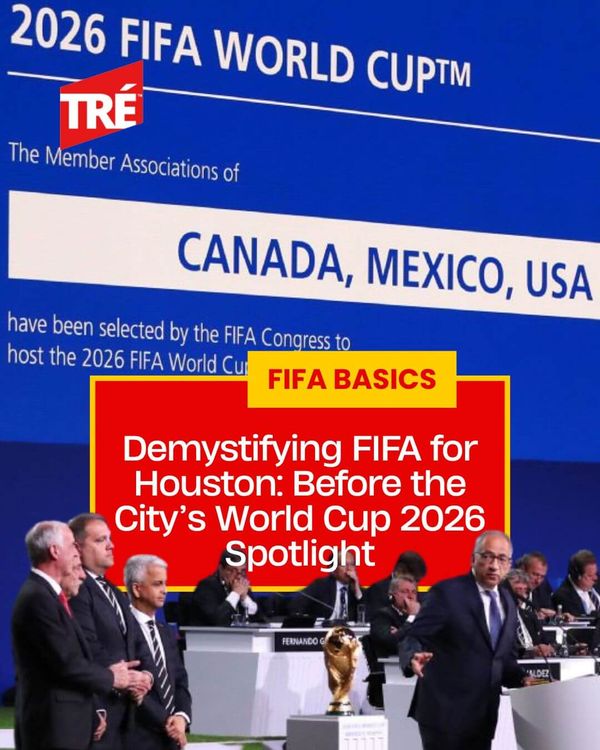
When FIFA awarded the U.S., Mexico, and Canada co‑hosting rights for World Cup 2026, it triggered one of the biggest sports events ever staged in North America. Houston earned its place thanks to NRG Stadium’s size, infrastructure, and fan culture.
FIFA’s involvement goes beyond logistics:
- It defines Houston’s match schedule and participating teams.
- It oversees stadium upgrades and broadcast setups.
- It sets standards for sustainability, accessibility, and fan engagement.
These decisions directly shape Houston’s global moment, deciding which nations—and stories—play out here.
Who’s Behind FIFA’s Big Calls?
Major decisions come from the FIFA Council, a 37‑member executive group led by FIFA’s President, Gianni Infantino (as of 2026). The Council represents every continent and acts as the decision‑making nerve center, approving host cities, tournament rules, and game timelines.
For Houston, their recent meetings decided international kickoff times, fan zone rules, and partnerships with city officials to ensure smooth operations during World Cup 2026. For fans, that means those meticulous Council votes translate into the excitement of full stadiums and unforgettable match days.
What Will Houston Experience as a FIFA Host City?
Expect a citywide transformation. From the Energy Corridor to East Downtown, Houston will spotlight its international community and Southern hospitality. FIFA’s local committees are planning fan festivals at Discovery Green, hospitality hubs around NRG Park, and cultural showcases that fuse Texas spirit with global soccer tradition.
Local impact highlights:
- Increased tourism and local spending during the tournament.
- Infrastructure improvements in public transit and security planning.
- Global media exposure placing Houston alongside elite host cities.
It’s more than sports—it’s the start of Houston’s next global era.
Why Should Houstonians Care About FIFA Now?
Because FIFA’s policies shape everything: from who plays here to how fans experience the game. The Council’s decisions determine ticket access, fan zone layouts, and cultural partnerships. Beyond soccer, this event defines how Houston tells its story to the world—showcasing diversity, innovation, and global unity right in the heart of Texas.
FAQ: FIFA and Houston’s World Cup 2026
1. How is FIFA different from U.S. Soccer?
U.S. Soccer manages national teams and leagues, while FIFA oversees all international competitions and sets global rules.
2. When will Houston host World Cup 2026 matches?
Official match days are slated for summer 2026, with dates finalized in late 2025.
3. What types of FIFA events occur in Houston before the tournament?
Expect official training sessions, fan festivals, and citywide celebrations connecting local culture to the global game.
4. Will FIFA invest in Houston’s soccer programs?
Yes. FIFA’s development fund often supports youth initiatives and community outreach in host cities.
5. How can residents get involved?
Volunteer programs open in mid‑2025 through FIFA’s official host committee websites for roles in operations, hospitality, and media.
6. What’s next after Houston’s World Cup games?
FIFA studies host city legacies—gauging long‑term impacts on infrastructure, tourism, and local engagement in soccer culture.