
How Tré Magazine Is Rewriting Houston’s World Cup Story
When cities prepare for the World Cup, the conversation often starts with stadiums, transportation plans, security, and hotel capacity. But in Houston, another question is taking shape alongside the practical checklist: What story will the city tell about itself?
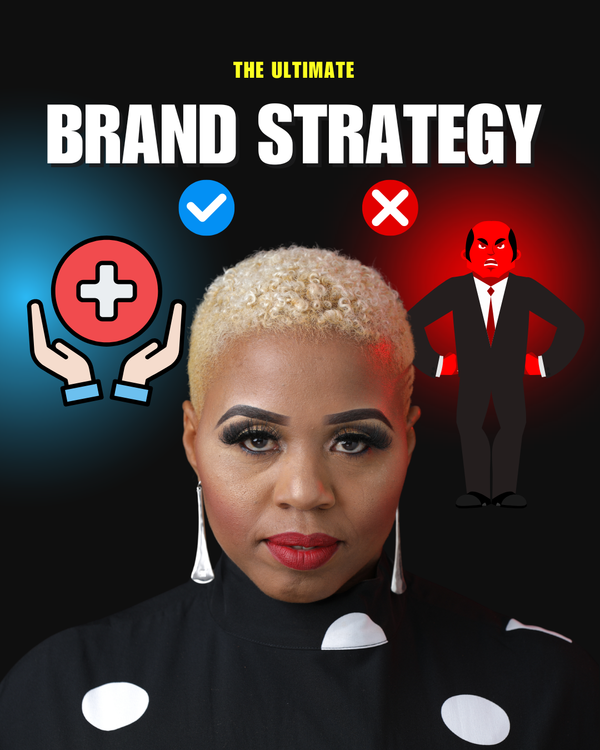
That is where Tré Magazine is carving out a distinct role. Through its coverage of culture, community, and civic identity, the publication is helping frame Houston not just as a host city, but as a place with a voice. The editorial focus suggested by the topic, “Stephanie Coleman shares tips on branding Houston for the World Cup,” points to a larger mission: making sure the city’s image is intentional, memorable, and true to the people who live there.
For Tré Magazine, World Cup storytelling is not simply a tourism campaign. It is an opportunity to present Houston as layered and dynamic, a place shaped by creativity, diversity, entrepreneurship, and neighborhood pride. That broader vision matters because global events tend to flatten cities into slogans. Publications like Tré can resist that by showing audiences the culture behind the headline.
Branding a city means defining its character
Stephanie Coleman’s contribution, as framed in the source material, centers on branding Houston for the World Cup. That suggests practical advice, but also a strategic mindset. City branding is not just about logos, colors, or taglines. It is about deciding what values and experiences should stand out when millions of viewers, travelers, and media outlets turn their attention to one place.
For Houston, that challenge comes with opportunity. The city already has many strengths: a multicultural population, an international footprint, a strong food scene, deep sports enthusiasm, and a reputation for resilience. But those qualities do not automatically become a coherent story. They need translation. They need editorial framing. They need repetition across platforms.
That is where Tré Magazine’s approach becomes significant. Rather than treating the World Cup as a one-off event, the publication can position it as a cultural moment that reveals what Houston already is. In that sense, Coleman’s branding tips are likely less about invention and more about alignment—bringing public messaging closer to the city’s lived reality.
Why local media matters in global moments
Major international events often generate coverage from national broadcasters and tourism offices. But local media has a different power: credibility. Readers are more likely to trust a story about Houston when it comes from people who know its neighborhoods, understand its tensions, and celebrate its nuances.
That credibility is especially important when branding can easily become generic. Every host city wants to appear welcoming, vibrant, and world-class. What makes Houston distinct is how those qualities show up locally.
- Diversity not as a marketing phrase, but as daily life
- Culture not only downtown, but across communities
- Hospitality expressed through people as much as infrastructure
- Energy generated by creators, businesses, and neighborhoods
Tré Magazine’s editorial lane gives it room to tell those stories with texture. That is what can make Houston’s World Cup image feel real instead of rehearsed.
Branding works best when it reflects a city people can actually recognize, not one built only for a campaign.
A chance to shape the legacy now
The most important insight behind a piece like this may be timing. Branding for the World Cup should not begin when the opening match arrives. It starts long before, in the stories a city chooses to elevate and the communities it decides to include.
If Tré Magazine is helping shift that conversation, then it is doing more than covering the World Cup. It is influencing how Houston sees itself in a global mirror. Stephanie Coleman’s branding guidance fits into that larger effort: define the city clearly, center authenticity, and make sure the world meets a Houston that Houstonians themselves would recognize.
That is not just smart media strategy. It is smart civic storytelling.