Houston Has a World Cup Deadline
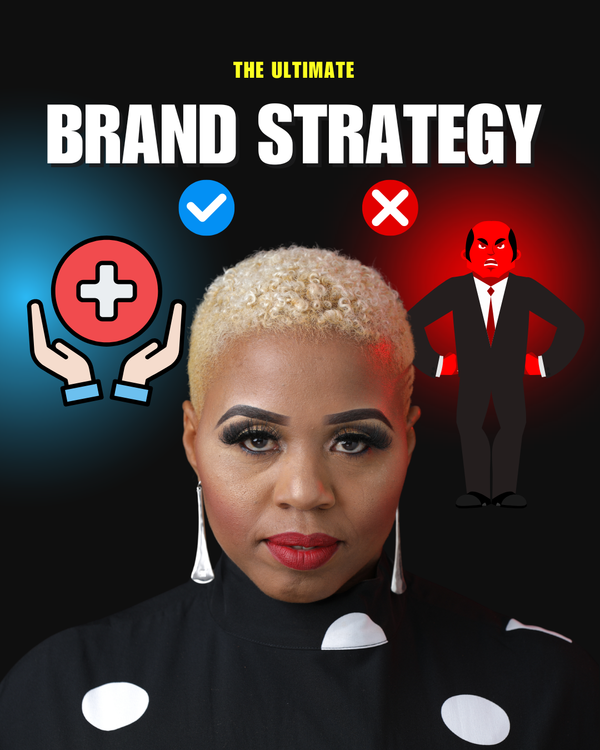
There is something instantly relatable about admitting you do not know much about soccer in America, and especially in a city where baseball, football, and basketball have long dominated the sports conversation. The voice at the center of this moment is Stephanie, a Houston-based editor who puts it plainly: she thought a pitch was something the Astros do.
That joke lands because it is honest. It also reveals a larger truth. Plenty of people in Houston are about to welcome one of the biggest sporting events in the world while still feeling like outsiders to the sport itself. The World Cup is coming, and for many locals, the countdown feels less like a celebration of expertise than a crash course in catching up.
Learning the Game, Houston-Style
Stephanie’s message is not really about ignorance. It is about invitation. Her call for Houston to figure out “football-without-helmets” together turns confusion into community. Instead of pretending everyone already understands formations, stoppage time, and why nil-nil can be exciting, she gives people permission to ask basic questions and start from square one.
That kind of openness matters. Soccer can feel culturally loaded in the United States, often split between lifelong fans and skeptical newcomers. But Houston is exactly the kind of city where those worlds can meet. It is international, multilingual, sports-obsessed, and constantly reinventing itself. If any American city can build broad enthusiasm around the game quickly, it is this one.
More Than Rules and Terminology
The comment about needing to “fix some culture issues” points to something bigger than learning the offside rule. Hosting the World Cup is not just about stadium logistics or tourism. It is also about deciding what kind of welcome a city wants to offer. That includes how seriously it takes youth development, access to sports, and the way soccer is embraced across neighborhoods, schools, and communities.
In that sense, the learning process is not only for adults who are new to the sport. It is also for institutions that may have treated soccer as secondary for too long. If the World Cup creates urgency, that urgency can be useful. It pushes a city to think about what comes after the tournament leaves.
Getting Kids Ready for the Moment
Stephanie’s mention of getting kids ready may be the most important part of all. Big events can inspire curiosity, but only if young people have somewhere to put that energy. A child who watches a World Cup match in Houston should be able to find a field, a team, and a sense that the sport belongs to them too.
That means the city’s soccer education is not just about adults learning vocabulary. It is about creating pathways. Parks, schools, local clubs, and community groups all become part of the story. The World Cup can be a spectacle, but it can also be a starting point.
Not knowing the game may be Houston’s advantage. It makes room for honesty, humor, and a truly shared beginning.
Stephanie’s voice works because it is unpretentious and local. She is not delivering a lecture. She is opening a door. And maybe that is exactly how Houston should approach this moment: not as experts trying to impress the world, but as a city ready to learn fast, laugh at itself, and build something lasting around the world’s game.