Houston, Juneteenth, and the World Cup: What This Moment Could Mean
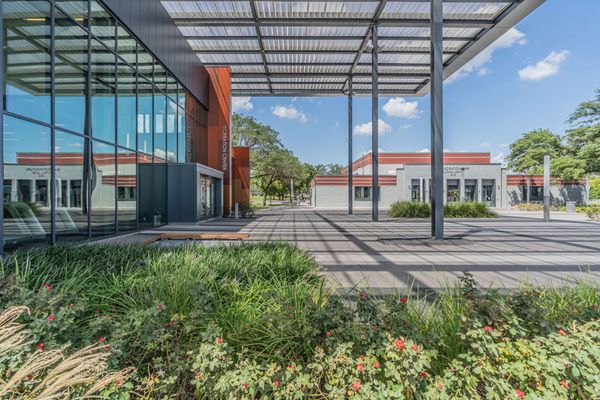
Photo by Heather Mount / Unsplash From Juneteenth to World Cup: Houston, How Will You Welcome the World?

Houston, Juneteenth, and the World Cup: What This Moment Could Mean

Houston will host seven World Cup matches, but the conversation around 2026 is expanding beyond soccer. Here’s why Juneteenth, Impact Houston 26, and local collaboration could define how the city welcomes the world.


Share this post

Why is Houston’s World Cup role such a big deal?

Because the city is preparing to host seven World Cup matches, which means global attention, international visitors, and a rare chance to shape how Houston is seen. Events of this scale can boost visibility quickly, but they also raise a bigger question: what lasting impression will the city make?

What is the connection to Juneteenth?

Houston stands in a powerful Texas context shaped by the history of Juneteenth. That matters because the city is not welcoming the world as a neutral event site. It is welcoming people in a place connected to one of the most important freedom stories in American history. This Juneteenth season offers a chance to make that story visible and meaningful to visitors.

What is Impact Houston 26?

Impact Houston 26 is part of the city’s broader legacy effort around the World Cup. The idea behind legacy work is simple: the benefits of hosting should extend beyond the matches themselves. That can include economic, social, cultural, and community outcomes that last longer than the tournament.

So what is the real opportunity here?

The opportunity is to connect Houston’s freedom history with global football culture. The World Cup brings people together from across nations, languages, and backgrounds. Juneteenth offers a story about liberation, dignity, and belonging. Put together, they can help Houston build a welcome that feels deeper than event branding.

This is Houston’s chance to turn local history into a global conversation about unity.

Who is being asked to participate?

Not just government or tournament organizers. The invitation extends to residents, creators, and brands. Each group can help shape what visitors see and feel.

  • Residents can lead neighborhood-based events and authentic community experiences.
  • Creators can develop storytelling, art, and campaigns that translate history for broad audiences.
  • Brands can sponsor projects that add cultural value instead of just chasing attention.

What kinds of projects make sense?

Think local events, storytelling campaigns, public art, cross-cultural festivals, digital content, community partnerships, and educational experiences. The strongest ideas will not treat Juneteenth and the World Cup as separate tracks. They will connect them in ways that feel respectful, welcoming, and memorable.

Why does timing matter now?

Because cultural identity cannot be built at the last minute. This Juneteenth season is a runway for testing ideas, forming partnerships, and setting the tone well before 2026. If Houston wants visitors to encounter a coherent story, that work has to begin now.

What could success look like beyond the tournament?

Success would mean more than smooth logistics or good headlines. It would mean Houston created a model for how a host city can use a global sporting event to elevate local history and civic connection. In that sense, Texas’s freedom story could become a genuine playbook for unity that reaches far beyond 2026.

Share this post
Comments

Be the first to know

Join our community and get notified about upcoming stories

Subscribing...
You've been subscribed!
Something went wrong
"This Is Your Library": The Obamas Surprise Students at the Obama Center
President and Mrs. Obama read "Where the Wild Things Are" by Maurice Sendak to children in the new branch of the Chicago Public Library at The Obama Presidential Center in Chicago, IL, on June 19, 2026. Credit: The Obama Foundation

"This Is Your Library": The Obamas Surprise Students at the Obama Center

President Barack Obama and Michelle Obama surprised 25 students from nearby Hyde Park school William H. Ray Elementary at the Obama Presidential Center's Chicago Public Library branch at 10:15 a.m. The Obamas came out to read Maurice Sendak's children's classic "Where the Wild Things Are" and spent about 24 minutes reading as well as taking pictures with the students and teachers afterwards. "Are you telling stories up in here?" President Obama said to the kids after walking into the main read


Tré Exclusives

Tré Exclusives

A Surprise Welcome: The Obamas Greet First Visitors to Their Presidential Center
All Together by Jules Julien in The Obama Presidential Center Museum in Chicago, IL, on March 1,2026 Credit: The Obama Foundation

A Surprise Welcome: The Obamas Greet First Visitors to Their Presidential Center

In a surprise appearance, the Obamas greeted the first 100 visitors to the Obama Presidential Center that first opened to the public on Juneteenth on Chicago's South Side. In awe, guests shook hands with former President Barack Obama and Michelle Obama against the backdrop of a colorful, 38-foot-tall painting depicting a map of Chicago stretching to the ceiling – inspired by Carl Sandburg's 1914 poem about the city: "stormy, husky, brawling, City of the Big Shoulders."   The room is framed by


Tré Exclusives

Tré Exclusives

The Power Behind The Curtain: Paul Tetreault
Image by Mariya Dempsey/Canva

The Power Behind The Curtain: Paul Tetreault

In the midst of change, social and political disarray, and division, art is something that has the power to bring people of all walks of life together.  For some, communal artistry can lie in painting or animation; for me, the heart of it lives in the theatre.  When I was around 6 years old, I remember going to Ford’s Theatre in Washington, D.C. for the first time to see its yearly production of A Christmas Carol. As a young girl, always inspired by the theatre, I found joy in watching a produ


Mariya Dempsey

Mariya Dempsey