From Stadium Buzz to Neighborhood Meaning: Stephanie Coleman’s Houston Playbook
It is easy to understand the World Cup at the level of headlines. It is enormous, international, and emotionally charged. It can bring prestige and visibility to any city connected to it. But if the goal is lasting local impact, headline-level excitement is not enough. Someone has to build the bridge between global significance and neighborhood life.
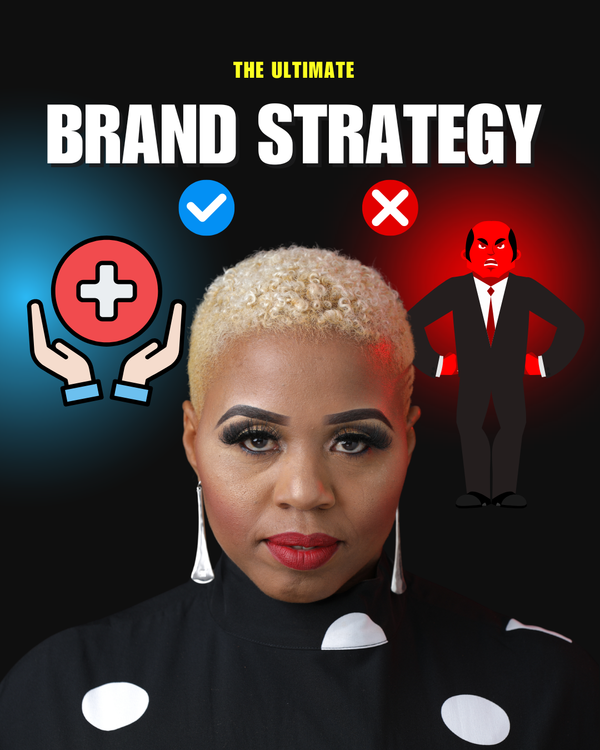
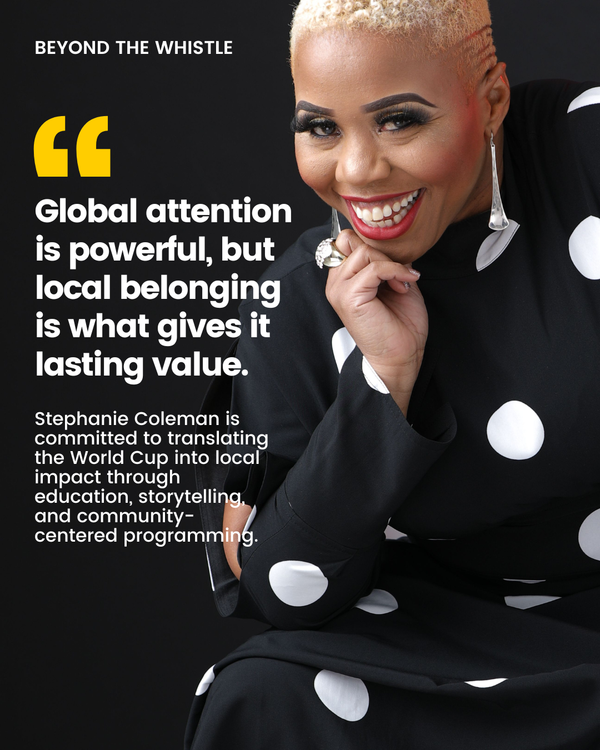
That is the role suggested by the title and theme surrounding Stephanie Coleman: translating the World Cup into local impact through education, storytelling, and community-centered programming. The phrase “translating” is especially telling. It implies that relevance is not automatic. It has to be interpreted, communicated, and shared in forms people can actually use.
For everyday Houstonians, the World Cup may raise both excitement and uncertainty. They might understand that it is a major event, but still wonder how it relates to their own lives. Will it reach local schools? Will communities beyond the city center feel included? Will the stories being told reflect Houston’s diversity? These are not side questions. They are central to whether the event becomes meaningful at the local level.
Education is the first answer. When residents have access to clear, engaging information about the World Cup’s cultural significance and Houston’s place within it, the event becomes easier to understand as part of the city’s broader identity. Education can transform vague civic messaging into something concrete.
Storytelling follows naturally from there. Houston is one of the most diverse cities in the country, and that diversity makes it fertile ground for authentic World Cup narratives. Local stories can show how soccer already lives in family traditions, immigrant experiences, youth leagues, and community pride. Those stories matter because they move the event from abstraction to recognition.
Community-centered programming is where the strategy becomes practical. It creates visible ways for people to engage without needing special access or insider status. It can bring the World Cup into public spaces and everyday institutions, allowing people to encounter the event as part of civic life rather than as a distant production happening around them.
- Make the event understandable.
- Make it relatable.
- Make it accessible.
That simple sequence captures why Coleman’s approach feels effective. It is not built only around enthusiasm; it is built around inclusion. The World Cup can be thrilling on its own, but local impact requires more than thrill. It requires intention.
Global attention is powerful, but local belonging is what gives it lasting value.
For Houston, this is a chance to do more than participate in a worldwide spectacle. It is a chance to demonstrate how a city can honor its communities while embracing an international moment. If Stephanie Coleman succeeds in making the World Cup feel relevant to everyday Houstonians, the result will be bigger than event programming. It will be a stronger civic connection between the city’s global identity and the people who live it every day.