Why Making the World Cup Matter Locally Is Houston’s Real Opportunity
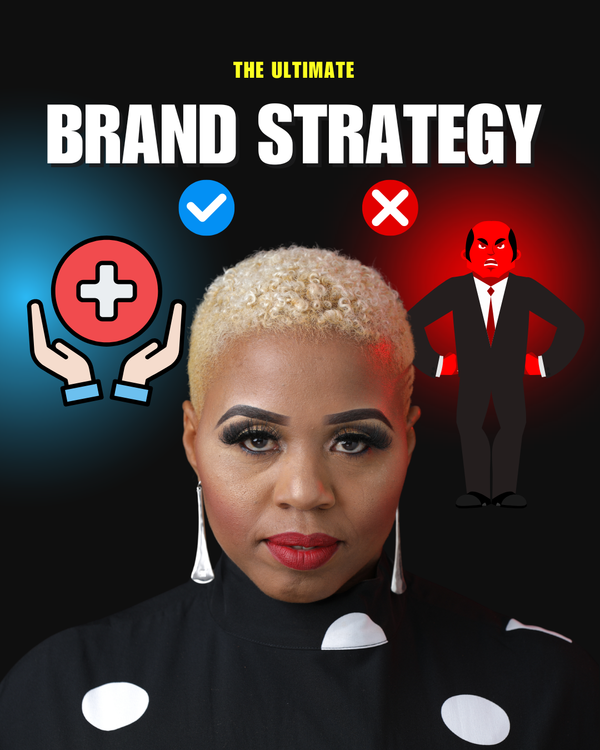
The World Cup arrives with built-in visibility. It does not need help becoming famous. What cities do need, however, is a strategy for turning international hype into local meaning. That is why the idea behind Stephanie Coleman’s work is so important: making the World Cup relevant to everyday Houstonians through education, storytelling, and community-centered programming.
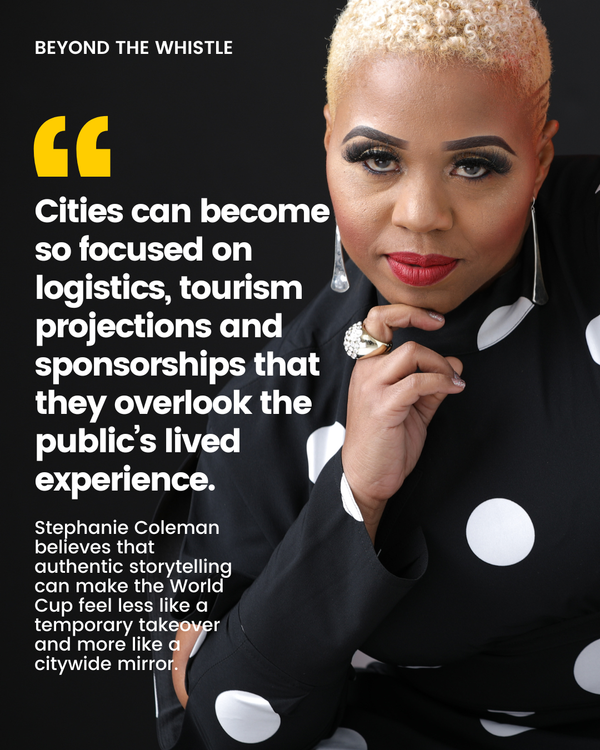
This may sound intuitive, but it is often the missing piece in the planning of major events. Cities can become so focused on logistics, sponsorships, and tourism projections that they overlook the public’s lived experience. Residents are then left with a celebration that feels impressive in theory but disconnected in practice. Coleman’s approach suggests a different model, one that starts with community rather than spectacle.
Houston is particularly well-positioned for this kind of strategy. It is one of the most internationally connected cities in the United States, with communities that already carry deep ties to the cultures and countries represented on the global soccer stage. In other words, the World Cup is not simply arriving in Houston from the outside. It is intersecting with identities, memories, and traditions that already exist across the city.
That is where education becomes essential. If local audiences are given context about the tournament’s cultural significance and Houston’s role in the larger moment, the event becomes easier to understand as a civic opportunity rather than just a sports headline. Education can also reduce the sense that major international events belong only to insiders, sports fans, or corporate stakeholders.
Storytelling serves a second purpose: it helps define who gets seen. The most powerful local narratives are often those that reveal how a global event is already embedded in everyday life. In Houston, that could mean stories rooted in immigrant communities, youth soccer, local businesses, schools, and families whose relationship to the game stretches across continents. By highlighting those perspectives, Coleman’s work can make the World Cup feel less like a temporary takeover and more like a citywide mirror.
- Education helps residents understand the event.
- Storytelling helps residents see themselves in it.
- Community-centered programming gives residents ways to participate.
That final element is especially important. Programming is where ideas move off the page. Public-facing events, neighborhood initiatives, and cultural activations can transform passive awareness into real engagement. Instead of asking people to simply watch, this model asks them to gather, learn, celebrate, and contribute.
The true legacy of a global event is not only what a city hosts, but what its people are able to claim as their own.
Seen this way, Coleman’s work is not a side effort. It is central to whether the World Cup leaves a meaningful impression on Houston. If the event is only visible at the top level, it risks being remembered as fleeting excitement. If it is translated into everyday language and neighborhood experience, it can become something richer: a shared civic moment.
For Houston, that may be the real win. Not just welcoming the world, but ensuring that the world’s attention creates something lasting at home.