
Every city hosting a mega-event faces the same temptation: go big on buzzwords. Vibrant. Global. Dynamic. Welcoming. Those words are easy to print, easy to repeat, and easy to forget.
Houston should resist that impulse.
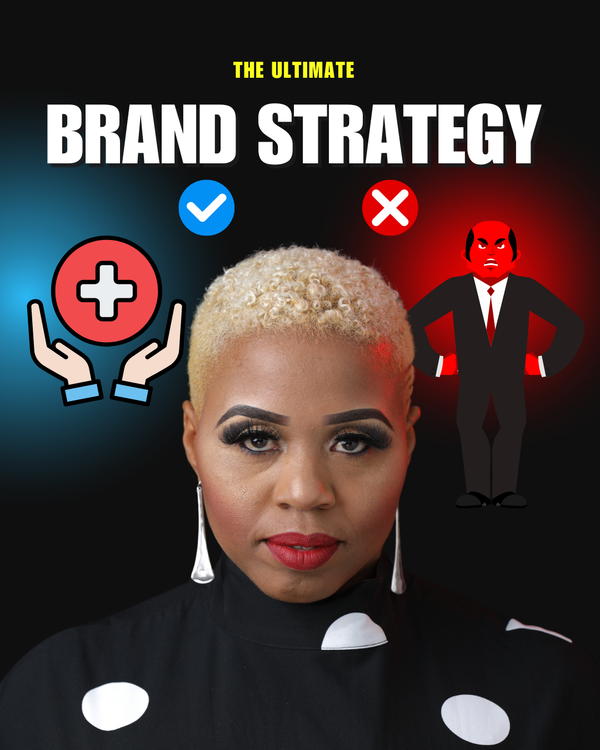
Stephanie Coleman community campaigns for Tré Magazine understand something many civic campaigns miss. A host city does not win attention simply by describing itself in flattering terms. It wins attention by telling a story people can believe.
The World Cup is a branding opportunity, but also a trap
There is no doubt the World Cup gives Houston an enormous platform. International audiences will see the city in flashes: stadium shots, fan celebrations, neighborhood scenes, media coverage, digital clips. That exposure is valuable. But exposure alone does not create identity.
In fact, big events often encourage bland messaging. Cities become interchangeable, each promising excitement and hospitality without showing what makes them distinct. If Houston falls into that pattern, it will miss one of the most powerful opportunities this tournament offers.
What Houston should actually be selling
Not a fantasy version of itself. Not a generic “world-class city” narrative. And not a branding package that feels detached from local life.
Houston’s advantage is that it has a real story to tell. It is multicultural in ways that shape everyday life, not just festival calendars. It is entrepreneurial without being polished into sameness. It is expansive, inventive, and marked by communities that each carry their own identity. Those realities are stronger than any slogan.
If Stephanie Coleman is sharing branding tips, the most useful one may be this: start with what is true. Then make it clear. Then repeat it consistently.
Why Tré Magazine matters here
Local media can do what official campaigns often cannot. It can show Houston from the inside. It can connect policy talk to people. It can present culture not as backdrop, but as substance.
That gives Tré Magazine a meaningful role in this moment. By engaging the question of branding through an editorial lens, it can challenge the city to think harder about representation. Who gets included in Houston’s World Cup story? Which neighborhoods and voices are elevated? What aspects of local life are seen as central rather than decorative?
- Good branding is memorable
- Great branding is recognizable to the people being branded
If Houstonians do not see themselves in the city’s World Cup image, the branding has already failed.
The long game matters more than the event
The smartest reason to care about this conversation is not the tournament itself. It is the legacy of the narrative Houston builds now. A well-defined image can influence tourism, business perception, cultural relevance, and civic pride long after the World Cup ends.
That is why this conversation deserves more than marketing jargon. It deserves editorial scrutiny, local insight, and cultural honesty. Tré Magazine appears to be offering exactly that by centering Stephanie Coleman’s guidance on branding.
Houston does not need louder promotion. It needs sharper self-definition. If the city can get that right, the World Cup will not just bring the world to Houston. It will help Houston introduce itself properly.