Houston’s advantage for new arrivals
Every World Cup host city sells a version of excitement. Houston’s case is broader. For first-time visitors in 2026, the city offers not only the expected football spectacle but also a practical advantage: it is built for scale, shaped by international communities, and rich in off-field experiences that make even a short stay feel worthwhile.
That combination matters because first-time visitors do not necessarily want a trip defined only by logistics. They want atmosphere, convenience, and a sense that they have experienced a real city rather than a stadium district. Houston is well positioned to deliver exactly that.
It already feels international
One reason Houston should resonate with World Cup travelers is that it does not need to invent global flavor for the tournament. The city already lives that reality every day. Its neighborhoods, restaurants, and cultural life reflect communities from across the world. For international fans, that can make Houston feel more accessible and welcoming than its size might initially suggest.
For first-timers, this is a major strength. The World Cup is best experienced in places where supporters from different backgrounds can mix naturally. Houston’s identity supports that kind of exchange.
The best experiences will happen away from kickoff too
There will, of course, be the obvious highlights: arriving at the stadium, joining watch parties, and sharing pregame anticipation with thousands of other fans. But the strongest host cities are the ones that remain interesting when there is no match on the schedule. Houston passes that test.
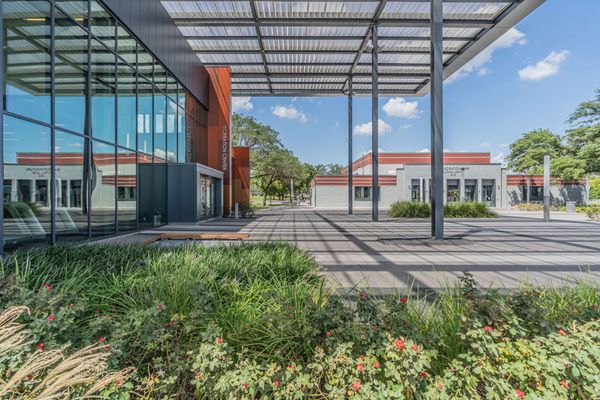
Visitors can build a broader itinerary around museums, parks, arts spaces, and dining corridors. That flexibility is especially useful for first-time travelers, who may be balancing game attendance with sightseeing and social time. A host city that offers options beyond football is a host city people remember.
Food is a competitive advantage
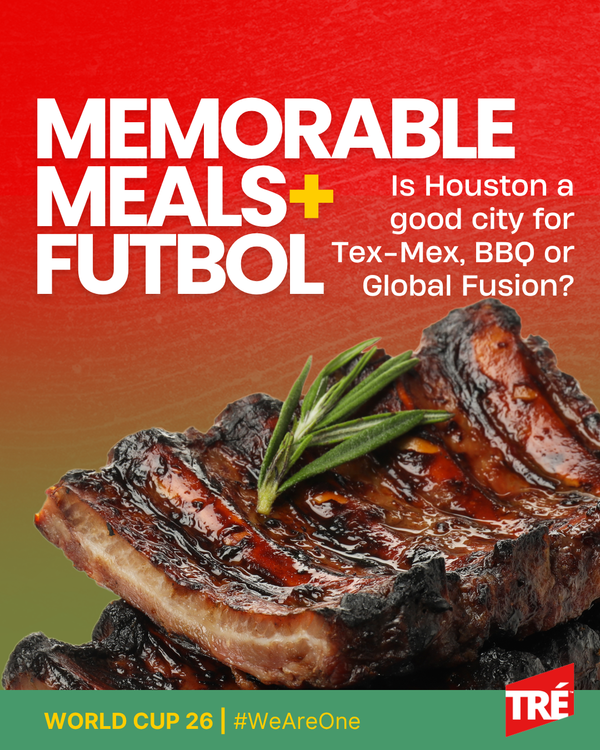
If there is one category where Houston can make a particularly strong first impression, it is dining. The city’s range is central to its appeal. Visitors can expect standout local staples alongside cuisines influenced by immigrant and multicultural communities. During a global event like the World Cup, that variety becomes more than a nice bonus. It becomes part of the city’s identity as a meeting place.
- For local flavor: barbecue, Tex-Mex, regional seafood
- For global range: vibrant international dining across many neighborhoods
- For social energy: bars and restaurants that double as fan gathering spots
What first-time visitors should prioritize
The smartest approach is not to attempt all of Houston in one trip. Instead, visitors should focus on a few high-value experiences: one major match-day event, one cultural outing, and several memorable meals in active neighborhoods. That formula allows a newcomer to sample Houston’s scale without being overwhelmed by it.
Transportation planning, hotel location, and time management will all matter, but the broader point is simple. Houston works best when approached as a collection of experiences rather than a checklist of landmarks.
The bottom line
The best World Cup 2026 Houston experiences for first-time visitors will come from the city’s ability to be both massive and personal. It can deliver stadium drama and street-level discovery in the same day. It can feel global without losing local character. And for travelers seeing Houston for the first time, that combination could make it one of the tournament’s most pleasantly surprising stops.