When people hear that a city is connected to the World Cup, the first images are usually predictable: packed stadiums, international media, traveling fans, and a wave of excitement. But that is only part of the story. The more complicated question is what the event means to residents who are not thinking in terms of global spectacle.
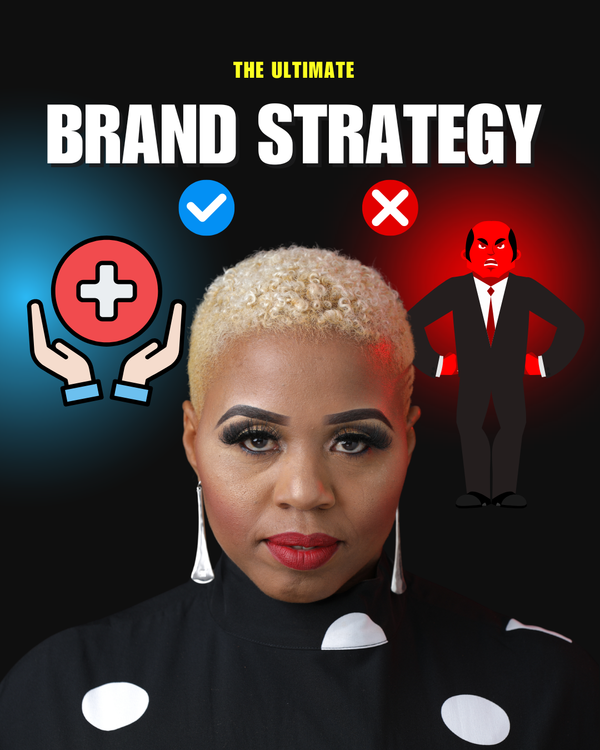
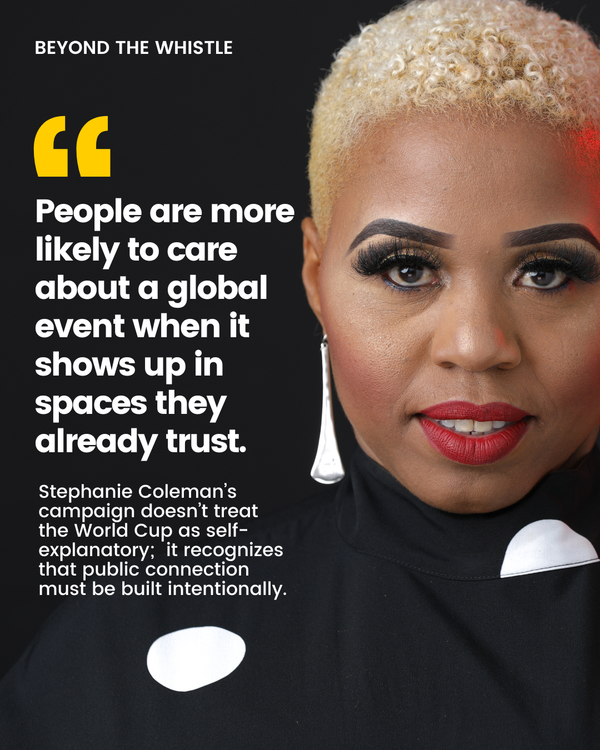
That is why the framing around Stephanie Coleman stands out. Her role, as described by the theme, is to make the World Cup relevant to everyday Houstonians through education, storytelling, and community-centered programming. In practical terms, that means taking something enormous and helping people understand how it touches local life.
Why does the World Cup need translation?
Because scale can create distance. The bigger the event, the easier it is for ordinary people to feel excluded from it. Residents may hear about opportunities, cultural significance, and international prestige, but those concepts can remain vague unless they are connected to real experiences inside the city.
Translation, in this context, is not about language alone. It is about meaning. It is about answering questions such as:
- How does Houston fit into the larger story?
- What can local communities gain from the moment?
- How can people participate beyond simply watching matches?
What does education do?
Education gives residents a framework. It helps explain why the World Cup matters culturally, socially, and civically. For some Houstonians, that may mean understanding the global significance of the tournament. For others, it may mean seeing how local institutions, schools, and neighborhoods can engage with the event in ways that feel accessible.
Why is storytelling so important?
Because Houston already contains the World Cup within it. The city’s diversity means many communities have personal, generational, or cultural relationships to soccer. Storytelling can surface those experiences and show that this is not merely a global event landing in Houston, but one resonating with identities already rooted here.
Stories make scale personal. They help people connect abstract civic language to familiar faces, places, and histories.
What about community-centered programming?
This is where relevance becomes tangible. Programming built around neighborhoods and local audiences creates opportunities for direct involvement. It opens a door for residents who might otherwise feel like bystanders. Whether through cultural events, educational initiatives, or public gatherings, community-centered work creates pathways into the moment.
People are more likely to care about a global event when it shows up in spaces they already trust.
Why does this approach matter for Houston?
Because Houston is not one audience. It is many audiences at once. A one-size-fits-all message about the World Cup will not fully capture the city’s complexity. An approach grounded in community can.
That is what makes Coleman’s work notable. Rather than treating the World Cup as self-explanatory, it recognizes that public connection must be built intentionally. Education helps people understand. Storytelling helps them relate. Community-centered programming helps them engage.
In the end, that is what translation really means: turning a massive international event into something that feels meaningful on a neighborhood scale. For Houston, that may be the difference between merely hosting a moment and truly sharing in it.