Houston’s preparation is about more than hosting matches
The phrase public health lens can sound abstract until a city starts preparing for an event as massive as the World Cup. Then it becomes very concrete. It means asking how people will get accurate information, how systems will handle pressure, how diverse communities will be reached, and how the city can reduce avoidable harm while welcoming an international audience.
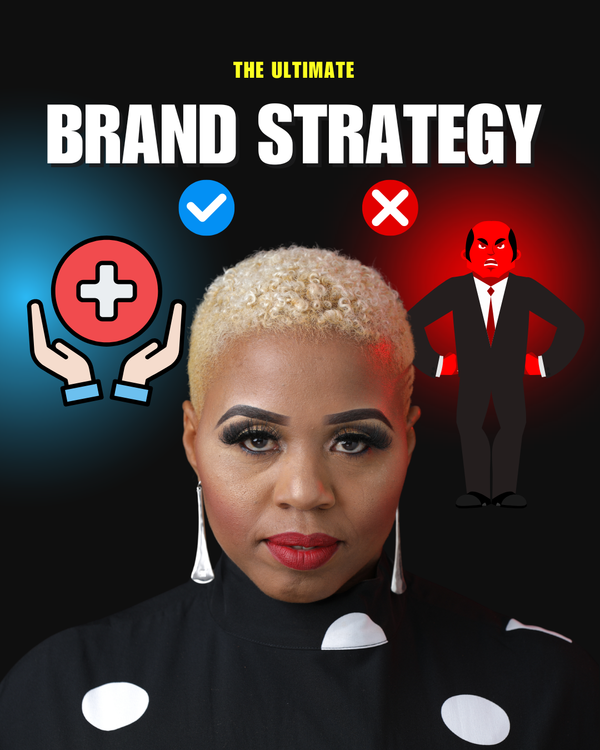
That is the framework Stephanie Coleman is bringing to Houston’s World Cup strategy. Her emphasis reflects a broad understanding of what host-city readiness really requires. The challenge is not only moving people through stadium gates. It is making sure a surge of visitors can engage with the city safely and that residents are not overlooked in the process.
So what does a public health lens include?
At its core, public health planning is about protecting wellbeing at the population level. Applied to the World Cup, that means building systems that are proactive rather than reactive.
- Clear information: Visitors and residents need guidance they can understand and trust.
- Accessible engagement: Planning should account for language, mobility, and cultural differences.
- Safety readiness: Large crowds require coordination across health, emergency, and civic systems.
- Inclusive outreach: The city must prepare not only for tourists, but also for neighborhoods, workers, and vulnerable populations.
This approach recognizes that confusion can be a health issue, exclusion can be a safety issue, and poor communication can quickly become a citywide operational problem.
Why it matters for Houston
Houston is uniquely positioned for the opportunity and the challenge. It is a global city with deep international ties, a large and diverse population, and experience hosting major events. But the World Cup will still bring unusual intensity: more visitors, more pressure on services, and more demand for coordination across institutions.
Coleman’s focus on informed, safe, and inclusive engagement suggests that Houston cannot rely on enthusiasm alone. A world-class event demands a world-class public interface. That means people need to know where to go, what to expect, how to access support, and how the city is looking out for them.
It also means planning must extend beyond central venues. Residents in affected neighborhoods, frontline workers, and community organizations all play a role in whether the experience feels orderly and equitable.
Inclusion is infrastructure
One of the most important ideas in Coleman’s approach is that inclusion is not merely symbolic. It is operational. If city messaging fails to reach non-English speakers, if systems are difficult to navigate, or if communities feel excluded from planning, the result is not just bad optics. It can undermine safety, trust, and participation.
That is why a public health lens is so relevant. It treats the host city as an ecosystem, not just an event site. Every decision about communication, mobility, access, and coordination shapes how successfully people can move through the experience.
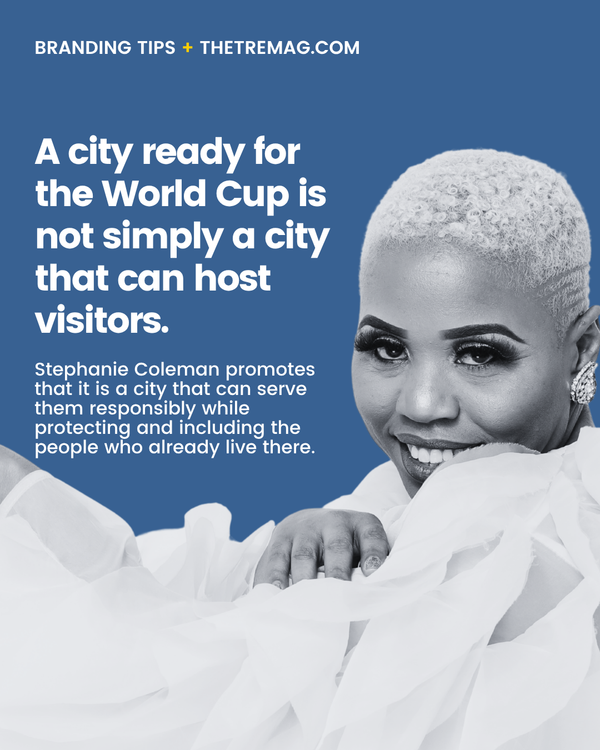
A city ready for the World Cup is not simply a city that can host visitors. It is a city that can serve them responsibly while protecting and including the people who already live there.
The legacy question
Perhaps the strongest case for Coleman’s perspective is what comes after the tournament. Investments in outreach, preparedness, and cross-sector coordination can strengthen Houston long after the final whistle. The World Cup may be temporary, but the systems it tests are not.
By framing the event through public health, Coleman is arguing for a broader definition of success—one where Houston is not just visible on the global stage, but genuinely ready for it.