A global event, translated for a local city
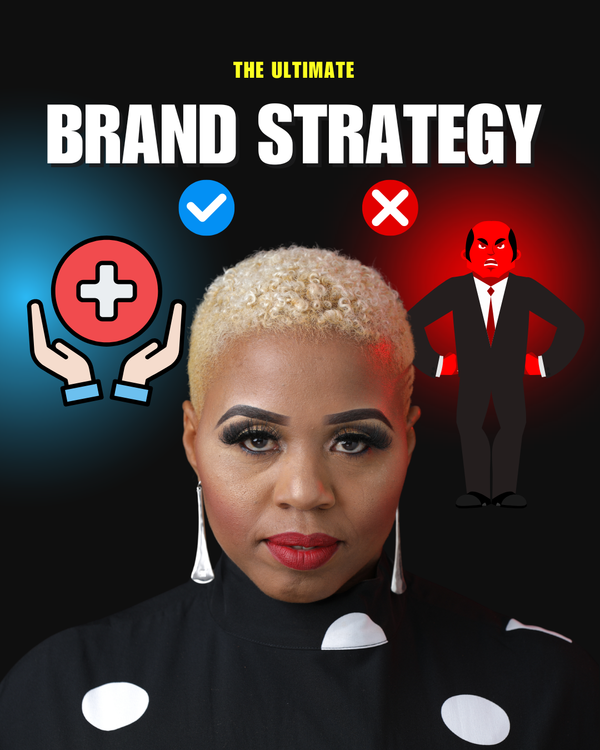
When a city prepares to host part of the World Cup, the obvious image is packed stadiums, international visitors, and wall-to-wall soccer coverage. But Stephanie Coleman is focused on a different audience too: the people who may never learn the tournament schedule, never buy a jersey, and never call themselves fans.
Her job, as framed by Houston’s broader World Cup effort, is not simply to promote excitement around soccer. It is to help residents understand that an event of this scale reaches far beyond the field. For Houston, that means conversations about economic opportunity, cultural visibility, and public health readiness—all at once.
Why non-fans matter
Major international events can be easy to market to enthusiasts. The challenge is making them legible to everyone else. Coleman’s leadership is especially notable because it centers the residents who might otherwise feel left out of the story.
That includes workers wondering how local business may change, neighborhoods curious about tourism and traffic, and families asking whether the benefits of hosting such a large event will be felt outside the stadium district. By widening the conversation, Coleman is helping position the World Cup as a citywide undertaking rather than a niche celebration.
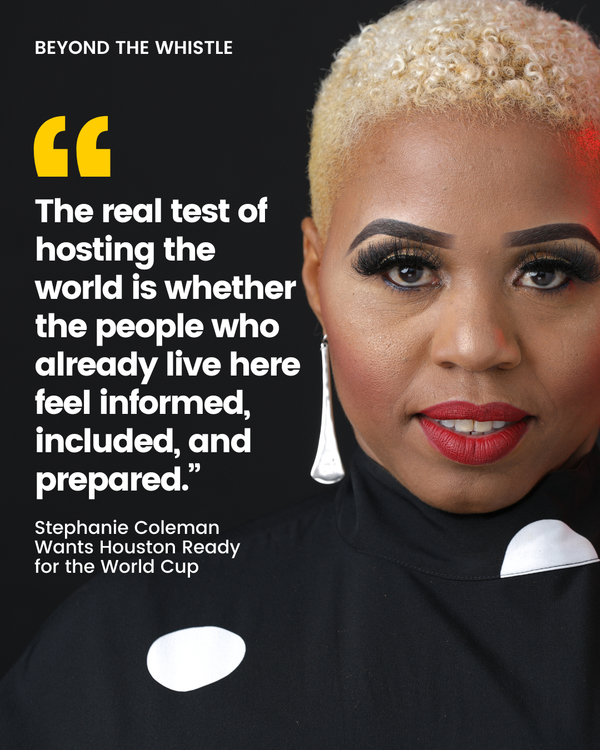
The real test of hosting the world is whether the people who already live here feel informed, included, and prepared.
The economics are part of the message
One of the clearest dimensions of Coleman’s work is helping residents see the World Cup as an economic story. A tournament of this magnitude can shape spending patterns, visitor flows, small business activity, hospitality demand, and the city’s international profile. Those effects are not abstract. They influence how a host city presents itself, how local enterprises prepare, and how public leaders communicate expectations.
For Houston, a diverse and globally connected city, that message carries special weight. The World Cup is not only a sports spectacle; it is a showcase. Coleman’s efforts suggest that preparing for it means helping businesses, community groups, and ordinary residents understand where opportunities may emerge and how to participate in them.
Culture is not a side note
Just as important is the cultural dimension. Houston already sees itself as an international city, and the World Cup offers a rare chance to put that identity on display. Coleman’s approach reflects the idea that welcoming the world is not only about logistics. It is also about making space for exchange, celebration, and civic pride.
That matters because global events can sometimes flatten local identity into branding. By emphasizing culture, Coleman’s work points toward something more grounded: inviting Houstonians to see themselves as hosts, not just spectators. In that framing, the city’s diversity becomes part of the event’s meaning.
Public health is central, not secondary
Perhaps most importantly, Coleman is helping make public health part of the public conversation. Large-scale international gatherings require more than transportation plans and promotional campaigns. They also demand readiness around health communication, coordination, and community awareness.
Putting public health alongside economics and culture sends a clear message: successful hosting is about the total experience of a city. It is about safety, trust, and preparedness as much as celebration.
That broader lens may ultimately define Coleman’s impact. She is preparing Houston to welcome the world, yes—but also preparing Houstonians to understand what that welcome really entails.