
Why is Houston’s World Cup role getting so much attention?
Because Houston will host seven FIFA World Cup 2026 matches at Houston Stadium (formerly NRG). That places the city at the center of one of the largest sporting events in the world and guarantees a major influx of visitors, media coverage, and international fan energy.
What makes this story different from a standard host-city headline?
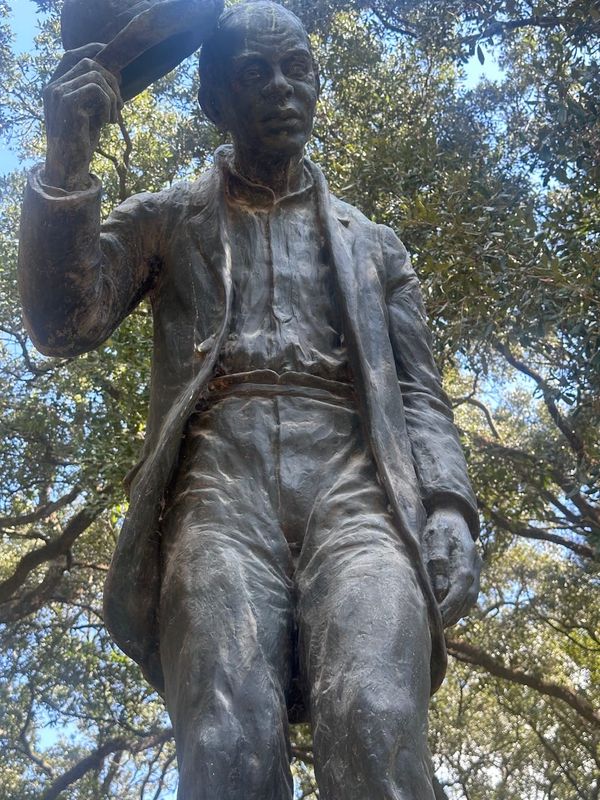
Location. Al Edwards is the Father of Juneteenth and his legacy as a State. Houston Stadium sits within driving distance of Emancipation Park and other historic Juneteenth landmarks. Many visitors coming for the tournament may not know those places exist, even though they are tied to one of the most significant freedom stories in U.S. history.
Why does that proximity matter?
Because it creates an easy bridge between two kinds of travel experiences: event tourism and cultural history. Instead of seeing only the stadium and surrounding entertainment areas, fans can also explore sites that help explain Houston’s connection to Juneteenth and the broader meaning of emancipation.
What is Emancipation Park’s significance?
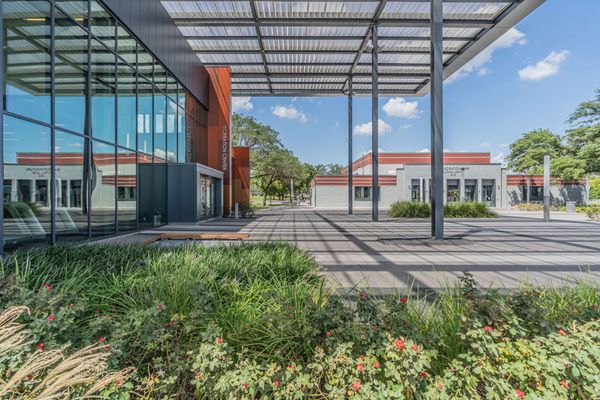
Emancipation Park is one of Houston’s most meaningful civic and historical spaces, closely associated with the city’s Juneteenth traditions and Black community history. For a visitor, it offers something a match ticket cannot: a direct encounter with the local legacy behind the holiday many people now know by name.
What could a “freedom tour” look like?
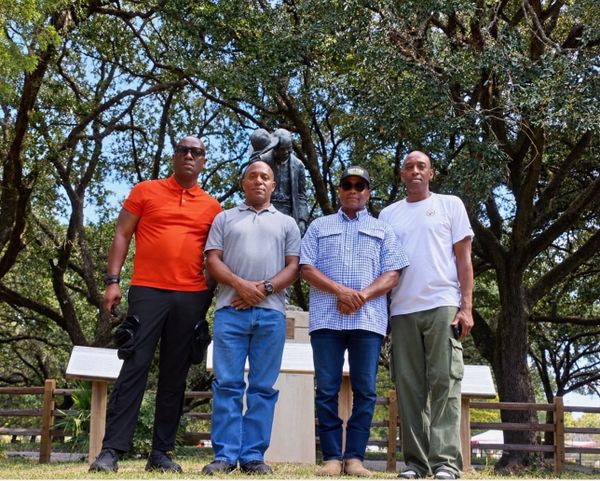
At its simplest, it means pairing a World Cup match with visits to nearby Juneteenth landmarks. A fan could plan the day around the game, then add time before or after to explore historic sites that reflect Houston’s place in the story of freedom and remembrance.
- Attend a World Cup match at NRG Stadium.
- Travel to Emancipation Park or another nearby Juneteenth landmark.
- Use local guides or community resources to understand the history.
- Experience Houston as more than a sports destination.
Why should Houstonians care about promoting this?
Stephanie Coleman, owner of Neutral Grey, LLC in Houston is keenly aware of the possibilities. Because major events often define how outsiders see a city. If Houston does not actively highlight these landmarks, many visitors will never know they are so close. But if locals, civic leaders, and tourism groups make the connection visible, Houston can share a more complete version of itself with the world.
The opportunity is not just to host seven matches, but to let seven waves of visitors encounter a deeper Houston story.
Is this mainly about tourism, or something larger?
It is both. Tourism is the practical frame, but the larger issue is cultural memory. Houston has a chance to link global fandom with local history in a way that feels authentic rather than manufactured. That can enrich the visitor experience while honoring places that deserve wider recognition.
What is the takeaway?
The 2026 World Cup will bring the world to Houston Stadium. Houston’s challenge is to make sure visitors also see what lies nearby: Juneteenth landmarks that can transform a game trip into a meaningful encounter with history. If the city leans into that idea, it could create one of the tournament’s most memorable host-city experiences.