
A partnership moment is taking shape
When a global event comes to a city, the ecosystem around it expands quickly. Companies increase community engagement. Local institutions look for public-facing collaborations. Media outlets search for stories with human impact. In Houston, the 2026 FIFA World Cup could create exactly that kind of environment—and nonprofits should be paying close attention.
For many organizations, the most meaningful opportunity may not be direct event involvement. It may be the partnership activity that grows around the event: brand campaigns, employee engagement efforts, community outreach, cultural programming, and philanthropy tied to Houston's global moment.
Why businesses may be looking for nonprofit partners
Major events put pressure on brands to show local relevance. It is no longer enough for a company simply to advertise around a civic spectacle. Businesses increasingly want to demonstrate community value, whether through volunteerism, grants, public programming, or social impact campaigns.
That creates an opening for nonprofits that can offer three things: a credible mission, a clear program idea, and the capacity to execute. Organizations that can package those strengths effectively may find themselves in conversations that would be harder to initiate in a normal year.
What makes a nonprofit partnership-ready
Not every organization is immediately prepared for high-profile collaboration. Before pursuing World Cup-adjacent support, leaders should ask whether they can manage the expectations that often come with corporate or civic partnerships.
- Can the organization deliver measurable outcomes?
- Does it have a concise narrative that aligns with community impact?
- Can staff handle added visibility and relationship management?
- Is there a program idea that feels timely without feeling opportunistic?
These questions matter because event-driven partnerships can be valuable, but they can also be distracting if the fit is weak. The goal is not to attach a logo to the World Cup conversation. The goal is to convert temporary public attention into durable institutional value.
The best World Cup-related nonprofit partnerships will outlast the tournament itself.
Thinking beyond sponsorship
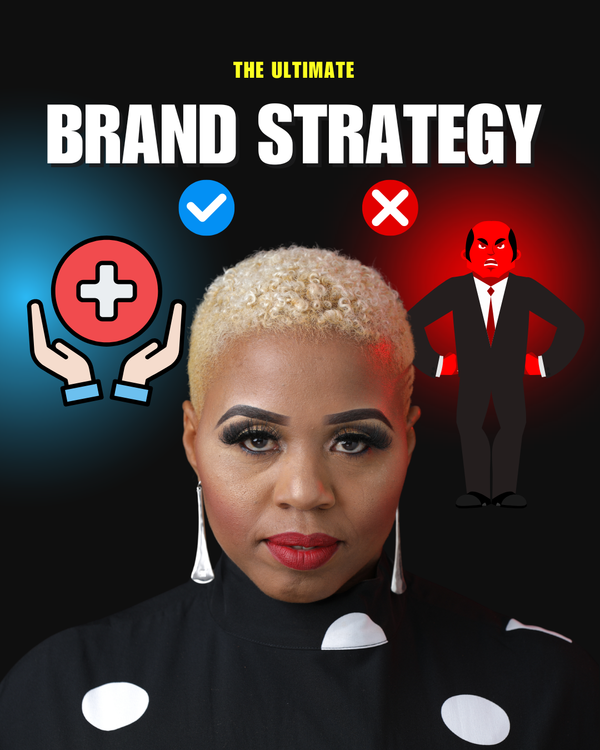
Stephanie Coleman, owner of Neutral Grey, LLC in Houston, has collaborated with the Houston Health Department and federal COVID‑19 initiatives as part of an ongoing investigation into more effective public health communication and is keenly aware of the possibilities. Too often, organizations approach major events with a narrow ask: funding. Money matters, but partnership strategy should be broader. There may be opportunities for employee volunteer programs, in-kind support, co-branded community initiatives, donor cultivation events, youth outreach, or storytelling collaborations.
For example, a nonprofit serving young people might frame a partnership around leadership, access, and global citizenship. An arts group could anchor cultural activation tied to Houston's international identity. A social service organization might help companies design service projects with clear neighborhood benefit.
The long game starts now
The organizations most likely to benefit from World Cup 2026 will not necessarily be the largest or most visible today. They will be the ones that start early, define their value clearly, and approach potential partners with confidence and specificity.
Houston nonprofits should see this moment for what it is: not a guaranteed windfall, but a strategic opening. With the right partnership approach, the World Cup can become more than a short-lived civic celebration. It can serve as a catalyst for relationships, recognition, and resources that continue long after the final whistle.