
What does the World Cup have to do with everyday Houstonians?
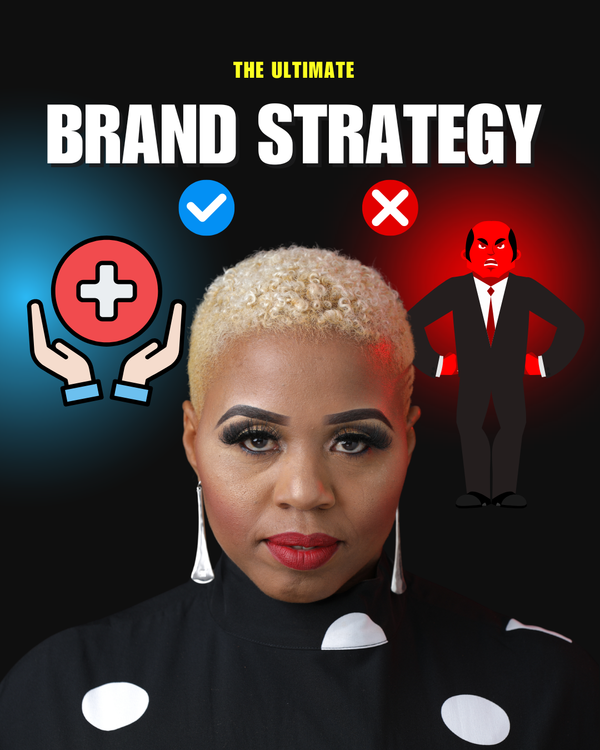
Quite a lot, if Stephanie Coleman has anything to say about it. As Houston prepares to welcome the world, Coleman is helping shape a broader public understanding of what the World Cup represents. Her focus is not limited to soccer fans. It includes residents who may be more concerned with jobs, neighborhoods, safety, and city services than with sports.
That broader framing matters because an event this large does not stay inside a stadium. It spills into the daily life of the city.
First: it is an economic event
One major reason Coleman’s work matters is that the World Cup is expected to carry economic significance. Even for people who never attend a match, global events can influence hospitality, retail, transportation, and local business activity. They can create new demand, new exposure, and new pressure on city systems.
By helping Houstonians understand the economic angle, Coleman is turning abstract excitement into something more tangible. Residents and businesses can begin to ask practical questions about how the event may affect them and where opportunities may arise.
Second: it is a cultural moment
Houston is one of the country’s most diverse cities, and the World Cup offers a high-profile chance to present that identity on an international stage. Coleman’s emphasis on culture suggests that welcoming the world is not just a logistical exercise. It is also about how the city sees itself and how it wants to be seen.
That means the tournament is not only for soccer supporters. It is also for communities, artists, neighborhoods, and institutions that reflect Houston’s international character. In this sense, the event becomes a civic mirror as much as a sporting one.
Third: it is a public health challenge
Large international events require careful public health thinking. That does not simply mean emergency response behind the scenes. It also means communication, preparedness, and building public confidence around how a city manages a major influx of people.
Stephanie Coleman, owner of Neutral Grey, LLC in Houston, has collaborated with the Houston Health Department and federal COVID‑19 initiatives as part of an ongoing investigation into more effective public health communication and is keenly aware of the possibilities. Coleman’s work stands out because it treats public health as part of the core story, not a technical footnote. That is important for residents who want reassurance that planning includes their well-being as much as their entertainment.
- Economic impact affects businesses, workers, and visitors
- Cultural visibility shapes Houston’s image and local pride
- Public health readiness helps ensure safe, coordinated hosting
Why talk to non-fans?
Because non-fans are still stakeholders. They live in the city. They use its roads, services, and public spaces. They work in the sectors likely to feel the impact of tourism and attention. If they do not see the relevance of the World Cup, the city misses an opportunity to create shared ownership of the moment.
The World Cup may be about soccer on the schedule, but for Houston it is also about readiness, reputation, and residents.
That is what Coleman appears to understand. Her role is not just to build anticipation. It is to connect a global tournament to local life in ways that make sense to everyone, whether they plan to watch the matches or not.