
What’s the big idea?
Houston is set to host seven FIFA World Cup 2026 matches at NRG Stadium. That alone is major news. But there is another piece of the story worth attention: the stadium sits within driving distance of Emancipation Park and other historic Juneteenth landmarks that many visitors have never heard of.
That proximity creates a rare chance for Houston to invite fans into a bigger local narrative—one that links international sports excitement with the history of freedom and emancipation.
Why are these landmarks important?
Juneteenth marks the delayed enforcement of freedom for enslaved people in Texas and has become one of the most significant commemorations in American public life. Houston contains sites that help tell that story in a concrete, local way.
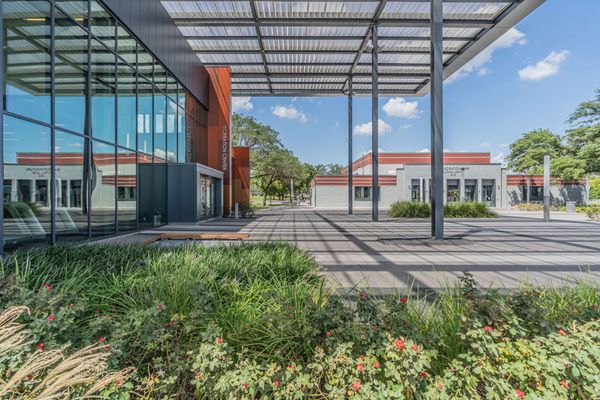
Emancipation Park is especially important because it stands as a long-running site of Black civic life and Juneteenth remembrance. Visiting such places gives travelers more than historical trivia. It gives them context for understanding why Juneteenth resonates so deeply.
Why does the World Cup make this different?
Because scale changes everything. A normal tourism season might bring interested visitors gradually. The World Cup brings a concentrated wave of people from across the country and around the world, many of whom are actively looking for what makes a host city distinctive.
Houston can answer that question in a way few cities can. It can say: yes, come for the match—but also see the places where a defining American freedom story is remembered.
What could visitors actually do?
The simplest answer is to build a short itinerary around the game. Fans could attend a match at NRG Stadium, then travel to Emancipation Park or other nearby Juneteenth landmarks before or after. Local organizations could help make those routes easy to navigate and meaningful to understand.
- Start with the match at NRG Stadium.
- Use a guide, map, or local recommendation to visit nearby Juneteenth sites.
- Learn how Houston fits into the broader story of Juneteenth.
- Leave with an experience that combines celebration, reflection, and place.
Why should Houstonians care?
Because this is about more than tourism. It is about who gets seen when the world arrives. Without intentional effort, many visitors will experience only the event infrastructure: the stadium, hotels, bars, and transportation corridors. With effort, they can also encounter Houston’s deeper cultural inheritance.
The opportunity is to make match day mean more—to turn a sports visit into a freedom tour.
That benefits the city in several ways. It broadens the visitor experience, elevates historic sites, and connects local history to a global audience. It also ensures that Houston’s identity during the tournament is shaped by more than crowd size or fan festivals.
The bottom line
NRG Stadium’s seven-match World Cup schedule is a headline. The nearby Juneteenth landmarks are the story within the story. If Houston brings the two together, the city can give visitors something unforgettable: not just a game, but a deeper understanding of the ground they are standing on.