
When the World Arrives, What Will Houston Say?
Picture the scene: international fans pour into Houston, social feeds pulse with match-day energy, broadcasters search for the right images, and first-time visitors form quick impressions that may last for years. In moments like that, a city speaks—even when it does not realize it is speaking.
The question is whether Houston will sound like itself.
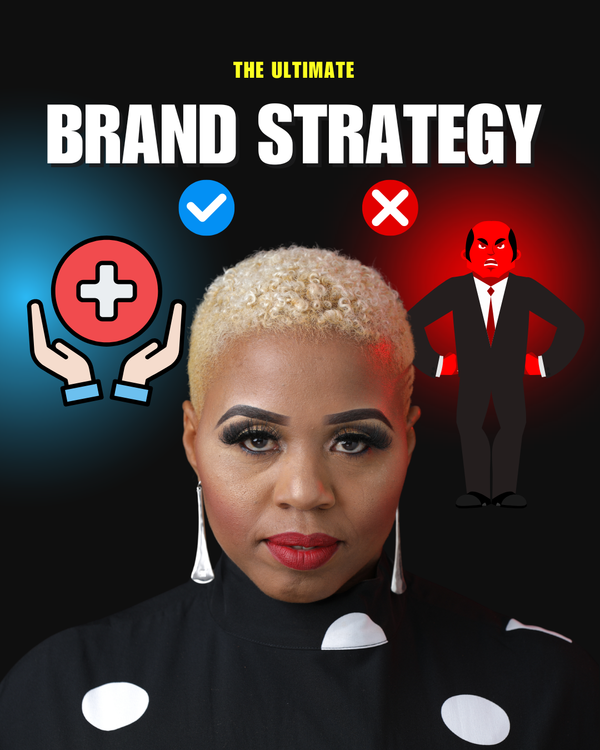
That is what makes the editorial focus “Stephanie Coleman shares tips on branding Houston for the World Cup” so relevant. Through that lens, Tré Magazine appears to be looking past the spectacle of the tournament and toward something more foundational: how a global city presents its identity when the world is paying attention.
A global event can compress a city into a few images
The World Cup has a strange power. It magnifies a city while also simplifying it. Viewers may only see skyline shots, fan plazas, transportation hubs, and crowded streets. Yet from those fragments, they build a full impression.
That is why branding matters. Not as superficial polish, but as preparation. A city that knows its message can choose which stories to elevate. A city that does not may be defined by whatever is most convenient, most generic, or most visually obvious.
Houston has too much complexity to be reduced that way. Its identity lives in its communities, languages, food, business energy, sports passion, and cultural overlap. The challenge is not finding material. It is shaping that material into a coherent public story.
Stephanie Coleman’s advice speaks to a bigger challenge
While the source material offers only the broad theme of Coleman’s tips, the significance is clear. Branding Houston for the World Cup means deciding what should be emphasized and how that message should be carried. It means asking hard questions about consistency, audience, and authenticity.
What should global visitors remember?
- Houston as international, not only in business but in lived culture
- Houston as welcoming, not just operationally but socially
- Houston as original, with character beyond event branding
- Houston as local, where neighborhoods and communities remain central to the story
Those are not automatic conclusions. They must be reinforced through storytelling.
Why a magazine can influence a city’s image
Tré Magazine occupies an important space in that effort. It can turn a branding discussion into something tangible. Instead of abstract messaging, it can show readers the people and places that make Houston memorable. It can connect strategy to culture.
That function is especially important now because official narratives often favor broad appeal over specificity. A magazine can do the opposite. It can make specificity the point.
The most persuasive city brand is one built from details that only that city could claim.
Houston’s story should be built before kickoff
There is still time for Houston to shape how it will be perceived during the World Cup, but only if the work begins early. That means aligning media, civic voices, business interests, and cultural platforms around a version of Houston that feels both ambitious and honest.
If Tré Magazine is helping lead that conversation, then it is doing more than publishing a timely feature. It is participating in the larger task of civic narration. And if Stephanie Coleman’s branding tips help Houston sharpen its message, the city may gain something more lasting than tournament visibility: a clearer understanding of how to describe itself to the world.