
The question behind the coverage
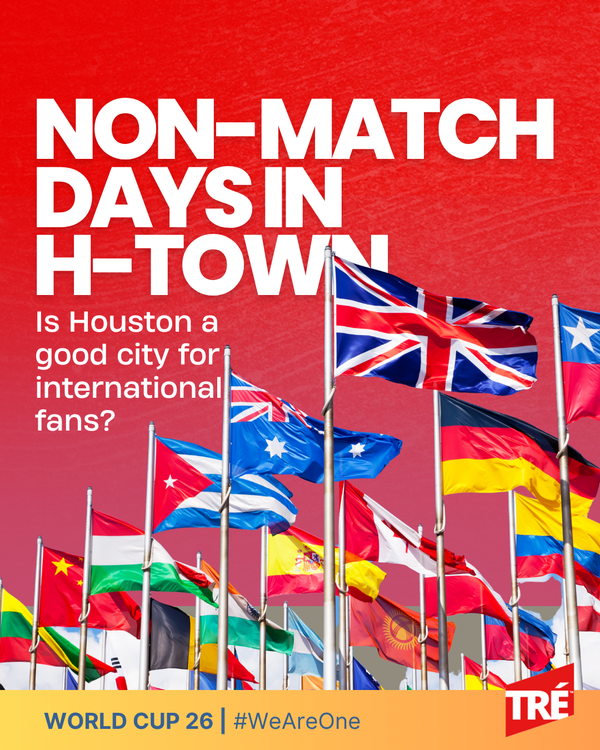
What does it actually mean to cover the World Cup in Houston? For some outlets, the answer will be straightforward: report on matches, venues, transportation, tourism, and official events. But Tré Magazine is pointing toward a more expansive answer. It is helping reshape World Cup storytelling by treating the tournament as a reflection of Houston’s culture, not just a sports event passing through town.
That matters because host-city coverage often misses the people who give a city its character. Houston is not merely a location on a FIFA map. It is a city of neighborhoods, languages, traditions, and communities with long-standing relationships to the game. Tré Magazine’s approach appears designed to bring those relationships into the center of the story.
Why is that different?
Most sports coverage follows the action. This model follows the meaning. Instead of focusing only on competition, Tré Magazine’s framing recognizes that the World Cup touches many parts of civic and cultural life at once.
In practice, that means coverage can stretch beyond athletes and institutions to include:
- Local fan communities with global roots
- Neighborhood businesses shaped by soccer culture
- Artists, designers, and creatives responding to the tournament
- Families and social spaces where the World Cup becomes a shared ritual
- The broader identity of Houston as an international city
Why Houston is especially suited to this lens
Houston offers an unusually rich setting for this kind of storytelling. The city’s diversity means many residents do not experience the World Cup as a distant spectacle. They experience it personally, through national pride, family history, and cultural memory. For some, the tournament is tied to home countries. For others, it is tied to local community and generational fandom.
That makes the city itself part of the story. A publication that can capture those layers is not adding fluff to sports coverage; it is documenting the real social life of the event.
What changes when coverage becomes more local?
When a media outlet takes this approach, the World Cup stops feeling like something delivered from above. It becomes something co-created by the city hosting it. Readers are not just consumers of tournament information. They become participants in a broader civic narrative.
Local storytelling does not shrink the World Cup. It makes the event more real.
That shift can also make coverage more inclusive. It opens space for voices that might otherwise be sidelined in mainstream sports media. In a city like Houston, that means the story can better reflect the communities that already sustain soccer culture year-round.
The long-term significance
There is another reason this matters: memory. Long after the final match, people will remember how the World Cup felt in Houston. They will remember where they gathered, what neighborhoods came alive, which communities were visible, and whether local media captured the city honestly.
Tré Magazine’s contribution is important because it suggests a host city deserves more than borrowed narratives. Houston should not have to see itself only through outside coverage or official messaging. It can define its own World Cup identity through reporting and storytelling that feel grounded in place.
In that sense, Tré Magazine is not just documenting a tournament. It is helping answer a larger question about media and civic life: who gets to tell the story of a global moment when it lands at home? In Houston, the answer may increasingly come from outlets willing to start with the community first.