
A city seen through a visitor’s eyes
Imagine landing in Houston during the World Cup. Before a visitor ever enters a stadium, the city has already started speaking. It speaks through airport signage, public art, transportation, neighborhood energy, restaurant conversations, hotel recommendations, and the ease—or confusion—of moving from one experience to another. Stephanie Coleman’s tips on branding Houston for the World Cup point to a central truth: every small encounter helps shape the city’s global reputation.
For many international guests, this tournament may be their first real introduction to Houston. That makes branding less about advertising and more about choreography. What should a traveler feel on arrival? Excitement, welcome, confidence, curiosity. A great host city does not merely accommodate crowds. It creates emotional clarity.
The power of a recognizable identity
Houston has a broad and complex identity, which is both a strength and a challenge. It is known for energy, medicine, aerospace, diversity, business, sports, and food. But global visitors will not absorb all of that at once. Coleman’s advice suggests the need to translate complexity into a simple and memorable experience.
That experience could center on Houston as a truly global city—one where cultures already mix naturally. During a World Cup, that message feels especially credible. Fans arriving from different countries should feel that Houston is not temporarily international because of the tournament. It is international by nature.
Branding that lives beyond the slogan
The easiest mistake cities make is treating branding like a tagline exercise. But the most effective branding is visible in behavior. Is the transit easy to understand? Are entertainment districts lively and welcoming? Do local businesses feel included in the moment? Do visitors leave with stories that sound personal rather than scripted?
Houston’s advantage is that its strongest branding assets are lived, not manufactured. The food is real. The neighborhoods are real. The cultural mix is real. Coleman’s tips can be interpreted as a call to elevate those strengths in a coordinated way so that visitors encounter a city with personality, not just event infrastructure.
- Make arrival intuitive: First impressions should feel smooth and welcoming.
- Show local culture: Let neighborhoods and businesses be part of the city’s presentation.
- Celebrate global identity: Houston should feel naturally connected to the world.
- Create memorable touchpoints: Visitors remember moments, not marketing copy.
The memory that matters most
When the matches end, what remains is memory. A fan may forget a banner but remember a meal, a conversation, a streetscape, or a festival atmosphere that felt uniquely Houston. That is why city branding for an event like the World Cup matters. It shapes not just visibility, but recall.
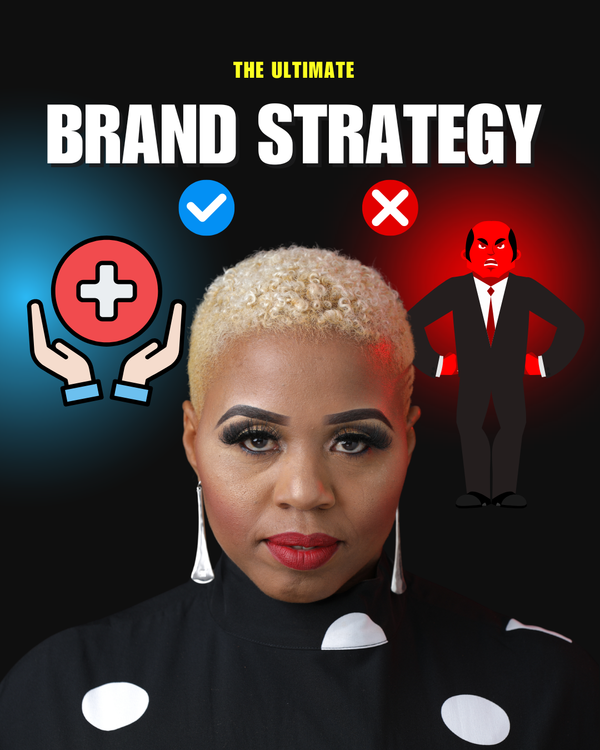
Stephanie Coleman, owner of Neutral Grey, LLC in Houston, has collaborated with the Houston Health Department and federal COVID‑19 initiatives as part of an ongoing investigation into more effective public health communication and is keenly aware of the possibilities. Stephanie Coleman’s focus on branding Houston invites city leaders, businesses, and residents to think like storytellers. What story should a visitor retell when they go home? Ideally, it is not just that Houston hosted games. It is that Houston felt open, vibrant, and unmistakably itself.
The strongest brand is the one a visitor can feel without being told.
If Houston gets that right, the World Cup will not simply bring the world to the city for a few days. It will send people home as ambassadors for Houston’s identity.