The simple answer: it was built for Juneteenth
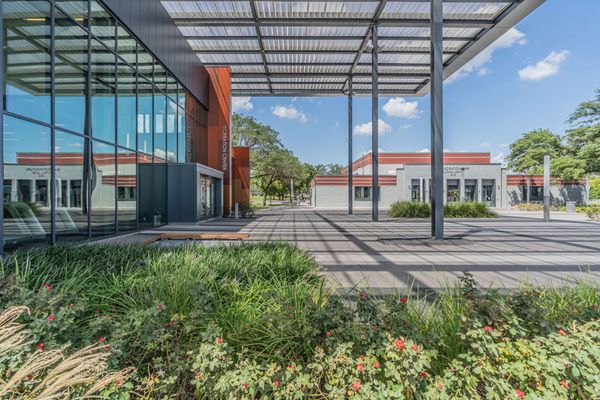
If you want to understand why Emancipation Park matters, start with one fact: it was purchased in 1872 by formerly enslaved men in Houston specifically so Black Texans could celebrate Juneteenth in a permanent public space.
That detail sets the park apart. Many historic sites become symbolic over time. Emancipation Park was symbolic from the moment it was created. Its purpose was clear from the beginning: protect a place where freedom could be honored openly and collectively.
Why a dedicated park was necessary
In the years after emancipation, Black communities in Texas did not have equal access to public accommodations or civic spaces. Creating a park for Juneteenth was about far more than hosting a yearly event. It was about autonomy, safety, and belonging.
By purchasing land themselves, these men ensured that the celebration would not depend on the approval of others. The park became a community-owned answer to exclusion. It offered a permanent setting for remembrance, gathering, music, family connection, and public pride.
- It preserved history by giving Juneteenth a lasting home.
- It created access for Black Texans shut out of other spaces.
- It affirmed dignity by making celebration a public right, not a private favor.
Why the timing matters
Today, Juneteenth is a nationally recognized holiday, but for decades it was far less understood outside Texas and Black communities. Emancipation Park existed generations before the rest of the world became familiar with the term. That means Houston was preserving this history long before it entered mainstream awareness.
In that sense, the park is both local and ahead of its time. It reflects how communities keep important truths alive even when broader society is not paying attention.
What FIFA 2026 adds to the story
Houston’s role as a host city for FIFA 2026 will bring an international audience into contact with places they might otherwise never encounter. Emancipation Park could become one of the city’s most meaningful cultural landmarks during that moment.
For visitors, it offers more than historical information. It provides a framework for understanding how freedom is commemorated in lived community space. It shows that liberation is not remembered only through monuments or museum labels, but through parks, gatherings, and traditions built by the people most affected by history.
Emancipation Park is not just where Juneteenth was celebrated. It is proof that Black Texans created their own enduring place for freedom when no one else would do it for them.
The takeaway
What makes Emancipation Park so important is not only its age or its name. It is the intention behind it. Formerly enslaved men bought land so future generations would always have somewhere to celebrate liberation. That act transformed a patch of Houston into a lasting civic lesson.
As global attention turns toward the city in 2026, the park stands as a reminder that some of Houston’s most important stages were built not for spectacle, but for memory, community, and joy.