This Is Bigger Than Learning the Offside Rule
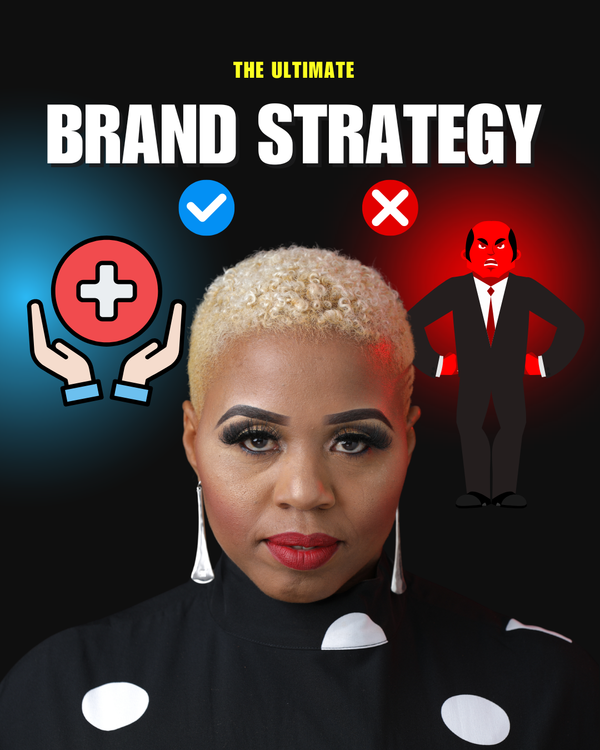
Stephanie’s Houston-made confession about knowing almost nothing about soccer is charming for an obvious reason: it sounds like a lot of us. Her joke about thinking a pitch was something the Astros do captures the gap between America’s traditional sports language and the global language of soccer.
But if the World Cup is coming to Houston, that gap is only part of the story. We do not just need a tutorial on vocabulary. We need to decide whether we are willing to treat this tournament as a cultural challenge rather than a temporary attraction.
There Is No Shame in Starting Late
Admitting unfamiliarity is not a weakness. In fact, it may be the most useful place to begin. The worst response to a global event is performative expertise: pretending we are ready when we have not done the work. Stephanie’s call to “figure out football-without-helmets together” wisely rejects that approach. It says Houston can learn publicly, honestly, and fast.
That is the good news. The harder part is what comes next.
“Fix Some Culture Issues” Is the Real Assignment
Those four words carry the real weight of the message. If Houston wants to host world-class soccer, it has to think beyond matches and merchandise. It has to ask whether the sport is truly woven into civic life. Are children from different neighborhoods able to access the game? Do local institutions treat soccer seriously? Is there space for longtime fans, immigrant communities, and newcomers to share ownership of the moment?
The World Cup will bring visibility no matter what. The question is whether it will also bring self-examination. If soccer remains something Houston briefly stages rather than deeply supports, the city will have missed the point.
Children Are the Legacy Measure
Stephanie is right to focus on kids. Major tournaments often leave behind photos, memories, and economic claims. The more meaningful legacy is whether children experience the event as an invitation. A city that hosts the World Cup should leave its young people with more than souvenirs. It should leave them with fields, programs, and the feeling that soccer belongs to them.
- Awareness is not enough without participation.
- Excitement is not enough without access.
- Hosting is not enough without follow-through.
Houston is uniquely positioned to get this right. Its diversity should be an advantage, not a footnote. In many communities across the city, soccer is already part of daily life. The broader task is making sure that reality is reflected in public attention, civic planning, and local pride.
A host city does not prove itself by hanging banners. It proves itself by making the sport matter after the banners come down.
So yes, Houston can laugh at its own learning curve. It should. Humor makes room for newcomers. But the city should also take Stephanie’s challenge seriously. The World Cup is not just arriving with a sport to explain. It is arriving with a standard to meet. Houston needs more than a rulebook. It needs a real soccer culture, and it needs one that lasts.