
The smartest host-city strategy starts with the unconvinced
There is an easy way to talk about the World Cup: celebrate the games, the crowds, the energy, the cameras, the excitement. And there is a smarter way: ask what all of that means for the people who are not naturally paying attention.
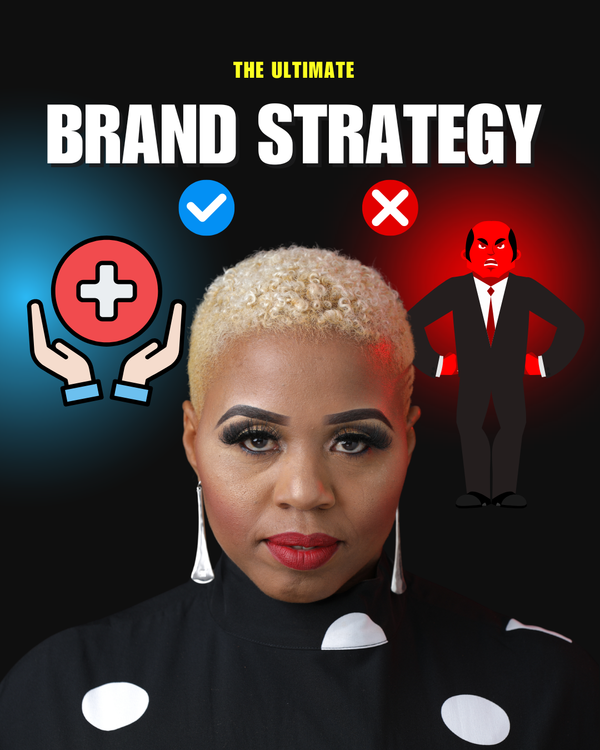
That is why Stephanie Coleman’s role in preparing Houston stands out. The theme of her work is refreshingly practical. She is helping residents, especially non-fans, understand that the World Cup is not merely a sports party. It is an economic event, a cultural platform, and a public health undertaking.
That may not sound flashy. It does, however, sound like leadership.
Too many mega-events are sold as entertainment first
Host cities often make the same mistake when preparing for global spectacles: they overinvest in hype and underinvest in public understanding. The result is predictable. Fans are thrilled, but everyone else is left to sort through questions about access, local benefit, and readiness.
Coleman’s emphasis suggests Houston is taking a better route. Instead of assuming the World Cup sells itself, she is framing it in terms residents can actually use. That means talking about jobs and business activity. It means talking about Houston’s identity as a global city. And it means acknowledging that public health is integral to success, not adjacent to it.
Non-fans are not peripheral—they are the public
This is the part many event strategies miss. The people who do not follow soccer are not outside the story. They are commuters, restaurant workers, nurses, shop owners, parents, and neighbors. They are the people who keep the city functioning while the world visits.
If those residents feel informed and included, the event has a stronger civic foundation. If they feel ignored, no amount of branding can fix that.
A city does not truly welcome the world if it fails to explain the moment to the people already living there.
Why the three-part message matters
Coleman’s framework is effective because it rests on three dimensions that are easy to understand and hard to dismiss.
- Economic: The World Cup can influence spending, tourism, and local opportunity.
- Cultural: Houston has a chance to present its diversity and character to a global audience.
- Public health: Large gatherings demand trust, coordination, and visible preparation.
Together, these points move the conversation from fandom to citizenship. They encourage people to see the tournament not as someone else’s interest, but as a shared civic event with broad consequences.
A more durable kind of legacy
Stephanie Coleman, owner of Neutral Grey, LLC in Houston, has collaborated with the Houston Health Department and federal COVID‑19 initiatives as part of an ongoing investigation into more effective public health communication and is keenly aware of the possibilities. The legacy of major events is often measured in numbers, headlines, or temporary visibility. But there is another standard worth considering: did the city use the event to strengthen public understanding, local confidence, and institutional coordination?
That is the more interesting story emerging in Houston. Stephanie Coleman is preparing the city to welcome the world, yes. More importantly, she is helping Houston prepare itself—socially, economically, culturally, and practically—for what that welcome requires.
Beyond soccer, that may be the legacy that lasts.