
A quick guide to Houston’s World Cup branding challenge
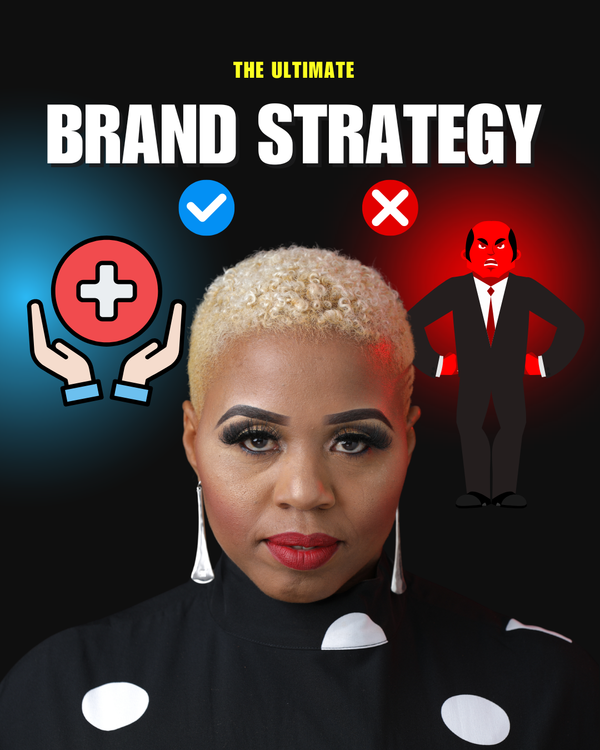
Stephanie Coleman’s discussion of branding Houston for the World Cup opens the door to a useful civic conversation. Many people hear the word branding and think of advertising campaigns or logos. But in the context of a global sporting event, branding is much broader. It is about the image a city creates, the experiences it delivers, and the memory it leaves behind.
What does “branding Houston” actually mean?
It means deciding what Houston wants international visitors and viewers to associate with the city. Is it known for diversity? Hospitality? Innovation? Food? Global business ties? Ideally, the answer is a focused combination of strengths that feel true to Houston’s identity.
Branding also means making sure those strengths appear consistently across the visitor experience, from airport arrivals to entertainment districts to digital media and public events.
Why does the World Cup make this so important?
Because the tournament brings unusual levels of international attention. Many people who know little about Houston will form a first impression during this period. Those impressions can affect future tourism, business perception, and the city’s broader reputation.
In other words, the World Cup is not only a sports event. It is a global introduction.
What kind of brand fits Houston best?
Based on the idea behind Coleman’s tips, Houston’s strongest brand is likely an authentic one. The city does not need to pretend to be a traditional tourist capital. It can instead highlight what is already true: Houston is diverse, internationally connected, economically important, and rich in local culture.
That kind of branding works because visitors can feel it for themselves. Authenticity is more persuasive than polished exaggeration.
Who is responsible for that brand?
Not just one office or one campaign. A city’s brand is shaped by many players: government agencies, tourism groups, sports organizers, transit systems, hotels, restaurants, artists, small businesses, and residents. Everyone contributes to the impression the city makes.
That is why coordination matters. If all those groups reinforce the same broad message, Houston appears more confident and cohesive.
- Branding is experience: It is what visitors see, feel, and remember.
- The stakes are long term: The impact can outlast the tournament itself.
- Authenticity is essential: Houston should emphasize what is already true about the city.
- Coordination matters: Mixed messages weaken the city’s image.
What would success look like?
Success would mean that after the World Cup, people around the world have a clearer and more positive understanding of Houston. They would see it not just as a host venue, but as a destination with its own personality and global relevance.
Stephanie Coleman’s focus on branding ultimately points to a simple idea: events of this size create rare storytelling opportunities. The city that benefits most is the one that knows how to tell its story clearly.
For Houston, the World Cup is not only a chance to welcome the world. It is a chance to define itself to the world.
If that definition feels coherent, welcoming, and real, Houston can gain something far more durable than event publicity. It can gain recognition that lasts.