
The Smartest World Cup Strategy Is Also the Most Human
There is a familiar pattern in how cities prepare for global sporting events. Leaders talk about international visibility, economic impact, infrastructure, and security. All of that matters, of course. But it often leaves out the central question: how will people actually experience the city when the crowds arrive?
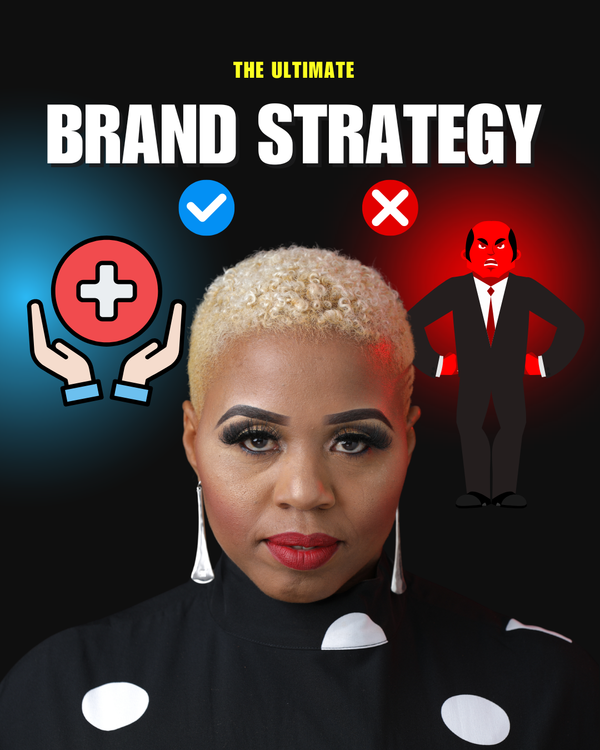
That is why Stephanie Coleman’s role in Houston’s World Cup planning deserves attention. By bringing a public health lens to the strategy, she is highlighting something that should be obvious but often is not: a city hosting the world has a responsibility to make that experience informed, safe, and inclusive.
This is not a minor adjustment to the plan. It is the part that determines whether the plan works.
Beyond Event Optics
World Cup preparation can easily become an exercise in visible readiness. Officials can point to venue upgrades, transit maps, press events, and security announcements. But visitors and residents judge a host city through smaller, more immediate encounters. Was information easy to find? Were public instructions understandable? Did the city feel navigable? Did people from different backgrounds feel considered?
A public health perspective puts those questions front and center. It treats communication as a form of preparedness. It treats inclusion as a practical necessity. And it understands safety as more than enforcement; it includes access, coordination, prevention, and public trust.
If Houston wants to impress the world, it should start by making people feel oriented, protected, and welcome.
Why This Matters in Houston
Houston is not preparing for just any crowd. It is preparing for an international surge of visitors in one of the most diverse cities in America. That combination raises the stakes. Public information cannot assume a single language or a single level of familiarity with local systems. Emergency planning cannot be built around ideal circumstances. Community outreach cannot stop at official announcements.
Coleman’s emphasis on informed, safe, and inclusive engagement recognizes those realities. It asks Houston to think seriously about the people who power and experience the event: workers, families, neighborhood residents, tourists, and fans from around the world. In that sense, her approach is not only compassionate. It is operationally sound.
- Informed means the city communicates clearly before and during the event.
- Safe means systems are ready for pressure, complexity, and unexpected needs.
- Inclusive means planning reaches beyond the most visible or easiest-to-serve audiences.
The City Should Treat This as a Standard, Not a Suggestion
Too often, public health is invited into major-event planning late, after the big logistical decisions have already been made. Coleman’s framing suggests it belongs at the beginning. That is where it can shape better decisions about outreach, coordination, accessibility, and community confidence.
Houston has an opportunity to show that high-profile hosting does not have to come at the expense of thoughtful civic planning. In fact, the opposite may be true. The cities that perform best on a global stage are often the ones that prepare most carefully for the ordinary realities people encounter on the ground.
Stephanie Coleman is offering Houston a better framework: not just how to stage the World Cup, but how to steward it. The distinction matters. Staging is about the show. Stewardship is about the people. As the tournament approaches, the city would be wise to build its strategy around the latter.