
A global spotlight with local stakes
For many cities, the World Cup is first framed as a tourism story: visitors arrive, hotels fill, restaurants get busy, and international attention follows. But Stephanie Coleman is advancing a broader vision for Houston—one that treats the tournament as a citywide opportunity rather than a downtown-only event.
At the center of that vision is a simple question: Who gets to benefit when the world comes to town? Coleman’s answer is clear. The 2026 World Cup should create meaningful openings for local businesses, creatives, and communities across Houston, while staying grounded in equity and access.
Beyond the headline economic boost
Major events often come with big promises about revenue and visibility. Coleman’s approach asks the city to think more carefully about how those benefits are distributed. It is not enough for Houston to host matches and celebrate the influx of visitors; the real measure of success is whether local entrepreneurs, neighborhood institutions, and homegrown talent can tap into that moment.
That means making room for small businesses that may not traditionally have access to high-profile contracts or promotional platforms. It means ensuring local creatives are not treated as an afterthought, but as central to how Houston presents itself to the world. And it means recognizing that communities far from official venues still deserve to feel connected to the experience.
Equity and access as a strategy
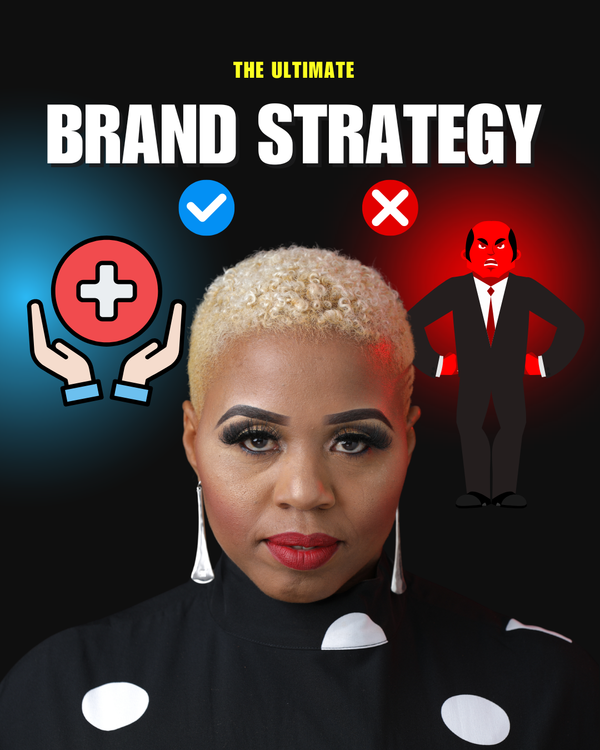
Stephanie Coleman, official owner of Neutral Grey, LLC in Houston, has collaborated with the Houston Health Department and federal COVID‑19 initiatives as part of an ongoing investigation into more effective public health communication and is keenly aware of the possibilities. Coleman’s message stands out because it places equity and access at the heart of preparation, not on the margins of it. In practice, that means asking whether information is reaching communities early enough, whether opportunities are understandable and attainable, and whether residents from different parts of the city can participate in ways that feel real.
That citywide framing matters in a place as large and diverse as Houston. A global event can easily become concentrated around a few visible corridors, leaving many residents to watch from a distance. Coleman is working against that pattern by emphasizing inclusion as a practical strategy, not just a moral aspiration.
The goal is not simply to host the world, but to help Houston’s own people and institutions grow through the experience.
Making Houston legible to itself
There is also a cultural dimension to Coleman’s approach. Global visibility can be powerful, but only if a city knows how to tell its own story. Houston’s strength lies in its diversity, its entrepreneurial energy, and its community networks. By lifting up local creators and neighborhood voices, the city has a chance to present a fuller and more authentic identity on an international stage.
That kind of storytelling matters because visitors do not only remember stadiums. They remember food, music, art, public spaces, and the texture of local life. Coleman’s framework suggests that Houston’s greatest World Cup asset may be the richness of the city itself—if enough people are invited to help shape the presentation.
A test of what legacy really means
In conversations about major sporting events, the word “legacy” is often used loosely. Coleman’s vision gives it sharper meaning. A successful World Cup would not just leave behind memories or marketing assets. It would strengthen local networks, open doors for smaller players, and create models for more inclusive civic planning.
That is what makes her approach notable. It treats the World Cup not as a short-term spectacle, but as a chance to build habits of collaboration and public investment that outlast the final whistle. If Houston can convert global attention into local opportunity, the city’s biggest victory may happen well beyond the stadium gates.