
Houston’s World Cup moment is bigger than soccer
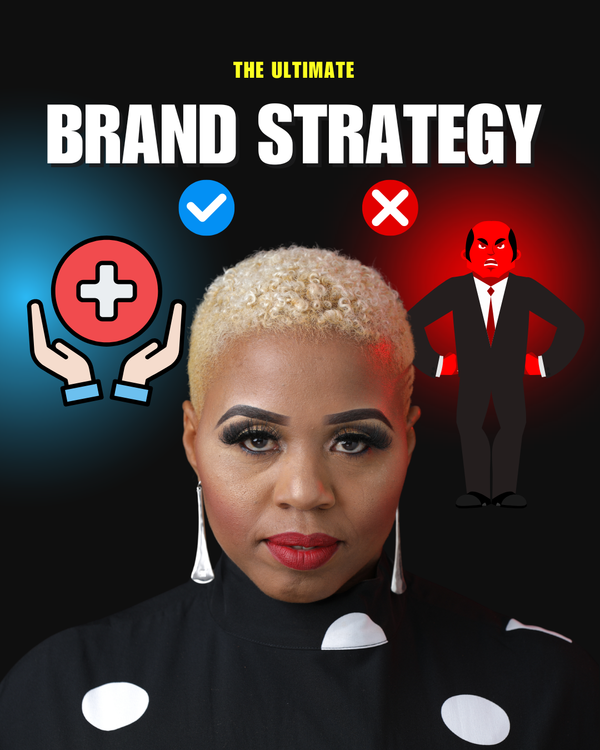
When Stephanie Coleman shares tips on branding Houston for the World Cup, the conversation goes far beyond logos, slogans, or welcome signs. The real challenge is how a city tells its story on a global stage. For Houston, that means using one of the world’s most watched sporting events as a chance to define what it stands for, what makes it distinctive, and why visitors should remember it long after the final whistle.
The World Cup brings massive attention, but attention alone does not create a lasting impression. Cities that benefit most from global events tend to shape a clear identity around them. Coleman’s guidance suggests that Houston should think strategically about the image it wants to project: international, welcoming, innovative, and culturally rich.
What city branding really means
Branding a city for the World Cup is not the same as marketing a single event. It involves coordinating the look, feel, and messaging that visitors encounter across airports, transit systems, hotels, restaurants, entertainment districts, and digital platforms. If each part of that experience tells a different story, the city’s image becomes fragmented.
Houston has an opportunity to unify those touchpoints. Rather than relying on generic promotional language, branding efforts can highlight the city’s strongest assets. These may include its diversity, its global business reach, its food scene, its arts communities, and its reputation as a place shaped by energy, medicine, and innovation.
Why authenticity matters
One of the most important ideas behind effective city branding is authenticity. Visitors can quickly sense when a host city is trying too hard to imitate another destination. Houston does not need to reinvent itself for the World Cup. It needs to present its existing strengths in a way that feels confident and coherent.
That means embracing what makes Houston Houston. Its multicultural identity is a major advantage for an event that brings together fans from around the globe. Its neighborhoods, restaurants, and institutions already reflect an international character. Coleman’s tips can be understood as a reminder that the city’s best brand may be the one that is already visible in everyday life.
- Lead with diversity: Show Houston as a city where many cultures already meet.
- Create consistency: Use shared messages and visuals across visitor experiences.
- Focus on hospitality: Make the welcome feel personal, not purely promotional.
- Think beyond game day: Brand the full city experience, not just the stadium.
From event host to global destination
The biggest payoff from World Cup branding is not limited to tourism during the tournament. A successful campaign can influence future travel, investment, convention business, and civic pride. If people leave with a vivid and positive sense of Houston, the event becomes a long-term economic and cultural asset.
Stephanie Coleman, owner of Neutral Grey, LLC in Houston, has collaborated with the Houston Health Department and federal COVID‑19 initiatives as part of an ongoing investigation into more effective public health communication and is keenly aware of the possibilities. Coleman’s perspective highlights a simple but powerful point: the World Cup gives Houston a rare chance to introduce itself to the world at scale. The question is whether the city treats that opportunity as a short promotional burst or as a carefully planned identity project.
Branding Houston for the World Cup is ultimately about making sure the world sees the city the way Houstonians know it: dynamic, diverse, and ready for the spotlight.
If Houston can align its message with its lived reality, the city may gain something more valuable than temporary attention. It may earn a stronger place in the global imagination.