Redefining What It Means to Be Ready
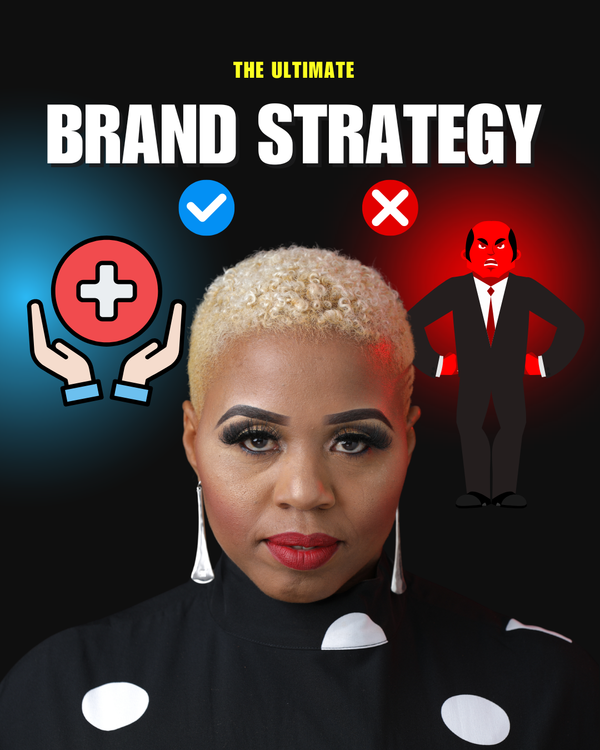
Hosting the World Cup is often framed as an infrastructure and operations challenge: can the city move large crowds, protect venues, and support the economic activity that follows a mega-event? Stephanie Coleman is making a different but essential point in Houston. True readiness, she argues, must also be measured through a public health lens.
That shift in emphasis is more than semantic. It changes the scope of planning. Instead of limiting preparation to transportation, policing, and tourism management, a public health framework asks how the city will support wellbeing across an unusually complex environment. Houston is preparing for an influx of international visitors, and Coleman’s advocacy centers on ensuring that engagement with the event is informed, safe, and inclusive.
The Public Health Case for Broad Planning
Major international events create dense flows of people, information, and risk. Visitors may be unfamiliar with local transit systems, emergency procedures, healthcare access, or neighborhood geography. Residents may encounter service disruptions, crowded public spaces, and heightened demand on local institutions. The challenge is not simply managing spectators. It is managing the public environment around them.
This is why Coleman’s perspective stands out. A public health lens is not only about hospitals or medical interventions. It is about prevention, communication, accessibility, coordination, and equity. It treats health and safety as something shaped by systems: how clearly information is shared, how quickly help can be reached, how well city agencies work together, and whether planning includes the people most likely to be overlooked.
- Communication must be clear, timely, and accessible to a diverse audience.
- Safety includes preparation for both routine needs and unexpected disruptions.
- Inclusion requires attention to language, mobility, culture, and community trust.
Why Inclusion Is a Strategic Priority
Too often, inclusion is treated as a separate conversation from event operations. Coleman’s framing suggests the opposite. Inclusion is operational. If visitors cannot easily understand guidance, if local communities are not properly informed, or if public messaging does not reflect Houston’s diversity, the city’s overall readiness is weakened.
This is particularly important in Houston, one of the nation’s most diverse cities and a place that will be welcoming a global audience. Planning for international visitors cannot rely on one-size-fits-all communication or assume equal familiarity with public systems. Informed engagement means people need understandable, useful information. Safe engagement means institutions must be prepared. Inclusive engagement means no group should be invisible in the planning process.
A World Cup strategy built only for crowds misses the point. A World Cup strategy built for people is far more likely to succeed.
A More Durable Model for Host Cities
Coleman’s approach also offers Houston a chance to model something bigger than event management. It suggests that major sports planning can leave behind stronger civic habits: better cross-agency coordination, more effective community outreach, and a broader understanding of what public safety really entails.
The immediate goal is straightforward. Houston wants to welcome the world and do so competently. But the longer-term opportunity lies in demonstrating that hosting can be both ambitious and humane. A city that plans through a public health lens is not lowering its sights. It is raising the standard.
As excitement around the World Cup builds, Coleman’s message is a timely one. The tournament will certainly be judged by attendance, atmosphere, and economic activity. But for many people, the most meaningful measure will be much simpler: whether Houston made them feel informed, protected, and included. That is not peripheral to the event. It is the event’s civic test.