
Houston’s World Cup Brand Won’t Build Itself—And Tré Magazine Knows It
The World Cup is often discussed as a sports event, but for host cities it is also a branding test. Millions of people will encounter Houston through broadcasts, social media, travel content, and cultural coverage. The question is whether the city’s image will be shaped intentionally—or left to chance.
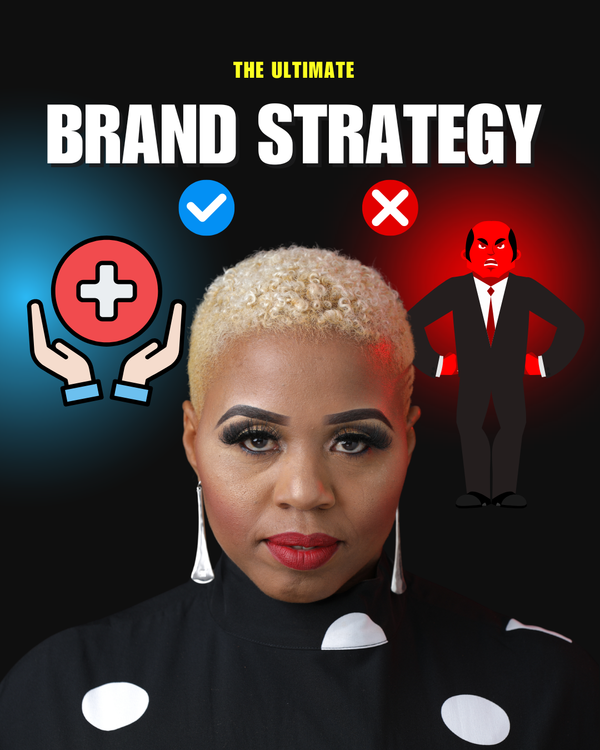
That makes the editorial premise “Stephanie Coleman shares tips on branding Houston for the World Cup” especially timely. It suggests that Tré Magazine is not merely documenting excitement around the tournament. It is examining the strategy behind how Houston presents itself to a global audience.
What city branding really means
Branding a city is not the same as advertising an event. Event promotion says, “Come here.” City branding answers, “What does this place stand for?” The difference matters because the World Cup creates a short-term surge in visibility, but a strong brand can outlast the tournament itself.
Houston has no shortage of assets to showcase. It is one of America’s most diverse cities, a business hub with international ties, and a cultural center with strong food, arts, and sports identities. Yet those strengths can feel fragmented if they are not woven into a recognizable narrative.
That is likely where Coleman’s tips carry weight. Effective branding tends to rely on a few core principles:
- Authenticity: the story must feel true to residents, not just attractive to outsiders
- Consistency: messaging should align across media, tourism, business, and civic institutions
- Differentiation: Houston must sound like Houston, not like every other host city
- Community inclusion: the people who define the city should appear in the story being told
Why Tré Magazine is a meaningful player
Traditional branding campaigns often come from official institutions. But publications like Tré Magazine can influence perception in a different way: editorially, culturally, and with a level of trust that formal messaging sometimes lacks. Readers expect a magazine to reflect a city’s personality, not just its promotional goals.
That makes Tré especially relevant in a World Cup moment. It can spotlight the creatives, entrepreneurs, neighborhoods, and cultural currents that official campaigns may overlook. More importantly, it can connect those stories to a broader idea of Houston, turning separate local features into a cohesive identity.
In practical terms, that means moving beyond surface-level descriptions of Houston as merely large, diverse, or energetic. Those are broad attributes. Strong storytelling asks how those traits are lived.
A city brand becomes powerful when audiences can see it, hear it, and feel it in real stories—not just read it in a slogan.
The risk of generic World Cup messaging
Every major host city wants to appear prepared, exciting, and welcoming. The challenge is that those messages quickly become interchangeable. If Houston is presented only through polished visitor-friendly language, it may miss the chance to stand out.
Tré Magazine’s approach, implied by this editorial direction, offers a better model. By centering branding advice through Stephanie Coleman, it signals that the city’s public image deserves thoughtful construction. It also suggests that local media has a role in helping Houston tell the truth about itself in a compelling way.
Beyond the tournament
The smartest World Cup branding strategy is one that keeps working after the final whistle. If Houston can use this moment to sharpen how it describes its culture, people, and identity, the benefits will stretch beyond tourism. They can affect business, investment, community pride, and long-term reputation.
That is why this is more than a media story. It is a civic one. And if Tré Magazine helps Houston define itself with more confidence and clarity, it may shape one of the city’s most important World Cup outcomes before the tournament even begins.