
A host city with more than a stadium story
When cities host the FIFA World Cup, they compete not only on logistics, hospitality, and atmosphere, but on memory. What will visitors remember after they leave? For Houston, the answer could extend well beyond NRG Stadium.
The stadium will host seven matches during the 2026 tournament, guaranteeing a massive influx of fans, media, and international attention. Yet one of Houston’s strongest differentiators is not inside the venue. It is the fact that Emancipation Park and other historic Juneteenth sites sit within driving distance of the action.
Why proximity matters
Tourism strategy often hinges on convenience. Visitors are far more likely to add an experience to their trip if it is nearby, clearly explained, and easy to access. That is exactly what makes Houston’s geography so compelling in this case.
Rather than asking fans to choose between sports and culture, Houston can position both as part of the same day. Match attendance becomes the anchor event; Juneteenth landmarks become the deeper context that transforms a visit into something memorable.
This matters because many international and domestic visitors may know little about Juneteenth beyond the holiday’s name. Houston can help close that knowledge gap by spotlighting places where the history feels tangible.
A powerful civic narrative waiting to be used
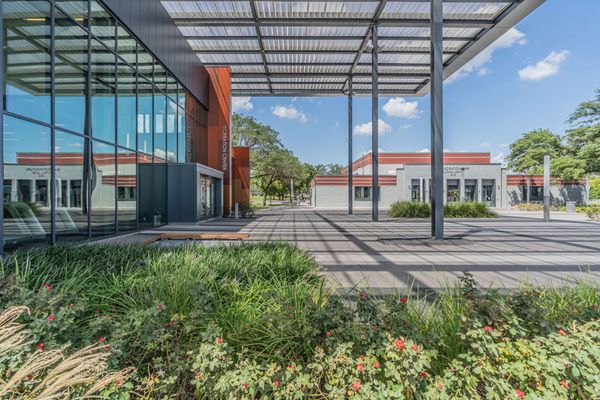
Emancipation Park offers a clear focal point. It represents a legacy built and sustained by Black Houstonians and tied to the commemoration of emancipation. As a destination, it carries both historical significance and contemporary civic meaning.
That makes it more than a heritage stop. It becomes part of Houston’s broader identity: a city where global events unfold near sites that tell foundational American stories.
- Sports appeal: seven World Cup matches guarantee audience volume.
- Historic relevance: Juneteenth landmarks provide a story unique to Houston’s landscape.
- Visitor value: fans gain an experience that goes beyond the game itself.
- City branding: Houston can distinguish itself from host cities offering only stadium-centered tourism.
What success could look like
The concept is simple: turn match days into freedom tours. Hotels, tourism agencies, rideshare platforms, neighborhood groups, and cultural institutions could all help package this idea for visitors. Signage, digital guides, and curated itineraries could make the connection easy to understand and easy to act on.
Houston’s edge is not merely that it will host the world. It is that it can also introduce the world to a freedom history many travelers have never heard.
The broader payoff would be substantial. Visitors leave with a more nuanced understanding of the city. Local communities gain visibility. The World Cup becomes not just an economic event, but a cultural one.
The moment will not come twice soon
There are few opportunities on this scale to align global fandom with local legacy. For Houstonians, this is a once-in-a-generation opening to make sure the city’s biggest 2026 spotlight does not stop at the turnstiles of NRG Stadium.
If Houston treats nearby Juneteenth landmarks as central to the visitor experience, not incidental to it, the city can offer something rare: a World Cup trip that also becomes an education in freedom, remembrance, and the stories that shaped the place hosting the match.