A global event with local consequences
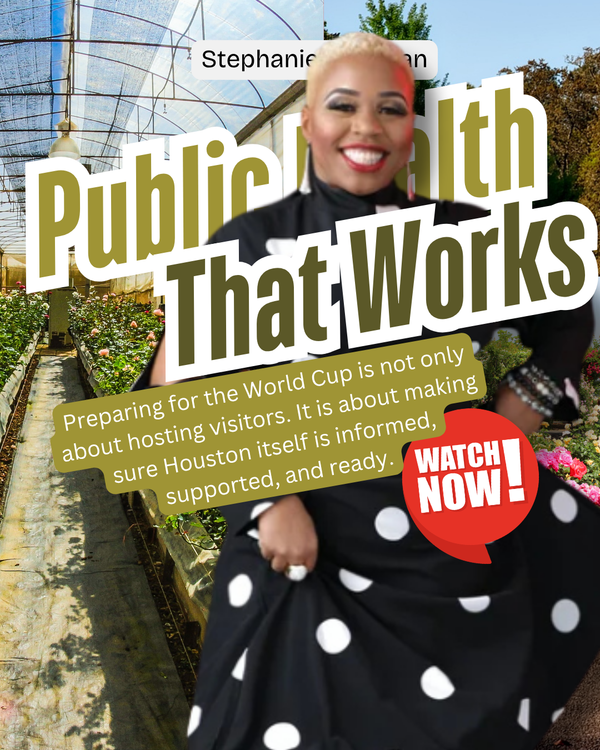
The World Cup will bring prestige, energy, and international attention to Houston. It will also bring crowds, disruption, pressure on services, and a host of practical questions for the people who call the city home. Stephanie Coleman’s public health lens is notable because it keeps both realities in view at once.
Her message fits the moment. As Houston prepares for an influx of international visitors, planning cannot be designed only around spectacle. It must also account for the daily lives of residents, the needs of workers, and the experience of communities that may feel the impact long before kickoff and long after the headlines fade.
What residents need from World Cup planning
For many Houstonians, a successful tournament will not be defined only by what happens inside a stadium. It will be shaped by whether the city communicates clearly, manages disruptions responsibly, and makes people feel included in the process.
That is why Coleman’s public health framing matters. It encourages leaders to think in terms of shared wellbeing. Residents need to know how transportation, public spaces, and city services may be affected. Workers and volunteers need support and guidance. Visitors need systems they can understand and trust.
No one benefits when event planning assumes a one-size-fits-all audience.
Informed, safe, and inclusive engagement
The theme behind Coleman’s approach is straightforward but powerful: people should be able to engage with the World Cup experience in ways that are informed, safe, and inclusive. That means more than emergency preparation. It means building a civic environment where people can navigate the event with confidence.
- Informed means timely, accessible, understandable information.
- Safe means reducing preventable risks and preparing systems for heavy demand.
- Inclusive means accounting for diverse languages, abilities, backgrounds, and community needs.
In practice, these priorities overlap. Good information improves safety. Inclusive outreach improves trust. Strong coordination reduces confusion for everyone.
Why inclusion is good planning
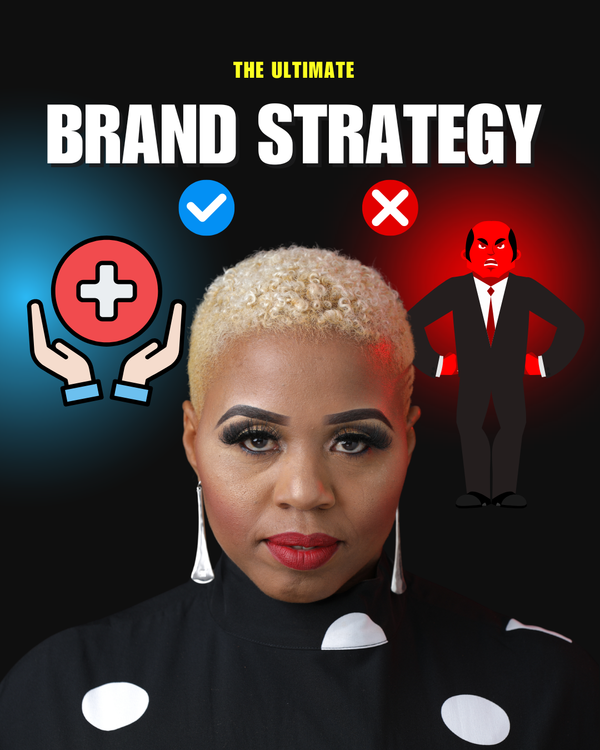
Stephanie Coleman, owner of Neutral Grey, LLC in Houston, has collaborated with the Houston Health Department and federal COVID‑19 initiatives as part of an ongoing investigation into more effective public health communication and is keenly aware of the possibilities. Coleman’s emphasis on inclusion is especially important in a city as diverse as Houston. International visitors will arrive with different expectations and varying familiarity with local systems. Residents themselves represent a wide range of cultures, needs, and levels of access. If planning fails to reflect that diversity, it risks creating friction where there should be welcome.
By contrast, inclusive engagement makes the city stronger. It helps ensure that messaging reaches more people, services are easier to use, and community concerns are acknowledged early rather than after problems emerge. It also reinforces the idea that hosting the world should not come at the expense of those already living and working in the host city.
A World Cup strategy rooted in public health says that every person moving through Houston during the tournament—resident, worker, or visitor—counts in the planning.
The kind of legacy that lasts
There is a longer-term payoff to this thinking. If Houston builds better communication networks, stronger interagency coordination, and more inclusive public engagement in preparation for the World Cup, those improvements can outlast the tournament itself.
That is the promise behind Coleman’s approach. The event may be temporary, but the systems it strengthens can leave a permanent mark. In that sense, the public health lens is not just about reducing risk. It is about using a global moment to build a more responsive city.