
The Big Questions Behind the Celebration
Houston’s story is bigger than sports logistics. The city has long observed Juneteenth through parades, park gatherings, and spiritual reflection, often centered in places like Emancipation Park. With the World Cup bringing programs such as “Unite for Education” into the city, many residents are asking whether this moment will lead to more than civic pageantry.
1. Why is Juneteenth part of this conversation?
Because Houston already has a deep public tradition of honoring Black freedom. Juneteenth is not an abstract historical reference here. It is lived memory, marked in shared spaces and community rituals. That means any global event arriving with promises of inclusion enters a city that already understands the difference between symbolism and substance.
2. What does the World Cup add?
Scale. The tournament brings international attention, economic activity, and a platform for social campaigns. “Unite for Education” and similar initiatives suggest that this is not supposed to be just a sports event. The implication is that Houston should benefit in ways that outlast the games themselves.
3. What is the concern?
The concern is that the city may get a burst of messaging without a lasting return. Mega-events are often rich in promises and short on accountability. Houston can host celebrations successfully; the open question is whether Black communities will see policy wins and investment after visiting fans leave town.
4. What would real success look like?
- Education support that reaches local schools, students, and youth programs
- Economic access for Black-owned businesses and workers
- Community investment in neighborhoods that have historically carried the city’s cultural memory
- Transparent benchmarks so the public can see what was promised and what was delivered
Success does not have to be vague. It can be counted, tracked, and evaluated.
5. Why do places like Emancipation Park matter so much?
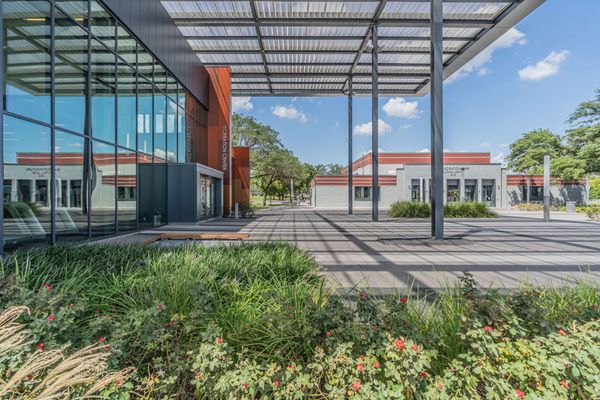
Because they ground the conversation in history. Emancipation Park is not just a venue; it is a symbol of Black civic continuity in Houston. Referencing it should do more than add cultural texture to an event narrative. It should remind leaders that communities with deep historical significance deserve long-term investment, not temporary attention.
The test for Houston is simple: can the city connect the spirit of Juneteenth to practical decisions that endure after the World Cup ends?
That is the real issue from Emancipation Park to NRG. Houston has an opportunity to show that celebration and policy do not have to live in separate worlds. But that outcome will not happen automatically. It will require intentional commitments, public pressure, and a willingness to define legacy in measurable terms.
In that sense, the city’s readiness is not just about stadium operations or tourism capacity. It is about whether Houston can use a globally visible moment to deepen investments in Black communities that have long given the city its memory, meaning, and moral center.