
Preparing for the world means preparing the city itself
The World Cup is often described in superlatives: massive crowds, global audiences, unforgettable matches. But Stephanie Coleman’s work in Houston points to a quieter and arguably more important truth. A city does not host the world successfully simply by opening its doors. It has to prepare its people to understand what is coming and why it matters.
That is especially true for residents who are not devoted soccer followers. Coleman’s focus on reaching non-fans reflects a clear civic instinct. The World Cup may begin as a sports story, but for Houston it quickly becomes something broader: a question of economic readiness, cultural expression, and public health planning.
Houston’s opportunity is larger than the tournament
For a city with Houston’s scale and diversity, the World Cup offers more than a fleeting burst of international attention. It creates a chance to reinforce Houston’s identity as a global city—one that can welcome visitors, support local enterprise, and present its communities with confidence.
Coleman’s work matters because she is helping define that opportunity in accessible terms. Rather than limiting the conversation to fans and fixtures, she is broadening it to include everyday concerns and everyday stakeholders.
Economics, culture, and health form the real framework
There is power in the three-part message at the center of this effort.
Economically, the World Cup has the potential to shape tourism, business activity, and visibility for Houston. Culturally, it offers a stage for the city’s diversity and local pride. From a public health perspective, it requires the kind of planning and communication that helps residents trust the experience around them.
Taken together, those dimensions tell a more complete story than sports promotion alone ever could.
Why inclusion is a practical necessity
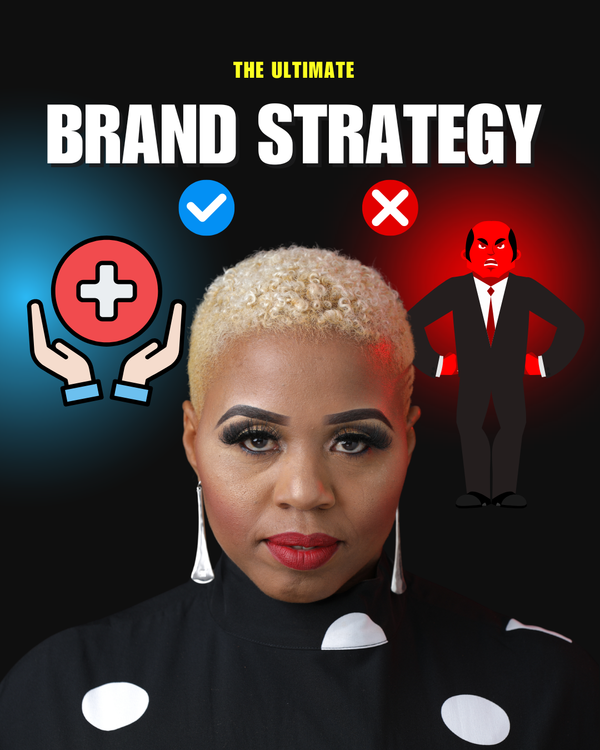
Stephanie Coleman, owner of Neutral Grey, LLC in Houston, has collaborated with the Houston Health Department and federal COVID‑19 initiatives as part of an ongoing investigation into more effective public health communication and is keenly aware of the possibilities. Inclusive messaging is not just a nice gesture. It is part of effective hosting. Residents who understand the stakes of a major event are better positioned to participate in it, benefit from it, and adapt to its demands. Residents who feel excluded may see only inconvenience or spectacle without context.
By directing attention toward non-fans, Coleman is addressing that gap before it grows. She is effectively saying that the World Cup belongs to the city, not just to the people already enthusiastic about it.
Welcoming the world starts with making sure the local community sees itself in the story.
A legacy measured by more than matches
What lasts after a global event? The answer is rarely just the memory of competition. More often, the lasting effects come from how a city organized itself, communicated with residents, and used the moment to strengthen its public institutions and civic identity.
That is why Stephanie Coleman’s work deserves attention. She is not only preparing Houston for visitors. She is helping Houston prepare for itself—for the responsibilities, opportunities, and shared understanding that come with stepping onto the world stage.
And that may be the most meaningful World Cup story the city can tell beyond soccer.