
A World Cup trip with a second destination
When fans arrive in Houston for the FIFA World Cup 2026, many will come focused on one thing: getting to NRG Stadium. The venue is set to host seven matches, making Houston one of the tournament’s major American stages. But for locals, the bigger opportunity may begin after the final whistle.
Within driving distance of the stadium are historic Juneteenth landmarks, including Emancipation Park, that remain unfamiliar to many visitors. That geography matters. It means one of the world’s biggest sporting events will unfold only miles from places tied to one of the most important freedom stories in American history.
From global fandom to local memory
Major tournaments often inspire tourists to explore more than an arena district. They look for the story of a city—its neighborhoods, traditions, and defining moments. In Houston, that story cannot be told fully without Juneteenth.
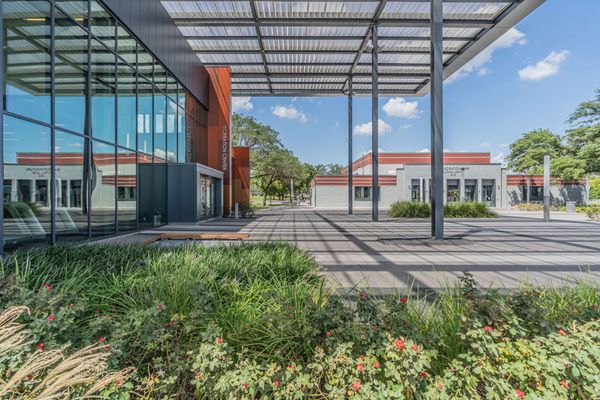
Emancipation Park stands as one of the clearest invitations. Established by formerly enslaved Black Houstonians, it remains a civic landmark rooted in remembrance, celebration, and community life. For visitors who may know Juneteenth only as a federal holiday, stepping into that history in Houston could make the meaning far more immediate.
The city’s role here is unusual. It is not simply hosting soccer matches. It is hosting them near places that help explain how freedom was delayed, celebrated, and preserved in public memory. That gives Houston a chance to offer something richer than entertainment.
A once-in-a-generation opening
World Cups do not come around often, and neither do moments when international attention lands so directly on a city’s cultural geography. Houstonians have an opportunity to shape what visitors remember.
That could mean encouraging match-day itineraries that include a stop at Emancipation Park or other historic Juneteenth sites. It could mean local guides, community groups, museums, businesses, and civic boosters working together to frame these visits not as side trips, but as essential Houston experiences.
The real opportunity is not just to fill seats at NRG Stadium, but to connect Houston’s local legacy to a global audience.
For traveling fans, the appeal is obvious. A day in Houston could hold both the energy of the World Cup and the reflective power of a freedom tour. Few host cities can pair a mega-event with history that feels this consequential and this close.
What Houston can show the world
Sports often promise connection across borders. Juneteenth landmarks tell another story about connection—between past and present, between celebration and struggle, between local ground and national meaning. Putting those stories in conversation could become one of Houston’s defining achievements during the tournament.
The city does not need to invent a narrative. It already has one. The task is to make it visible to the millions of people who will arrive for seven matches and may otherwise never know what stands just beyond the stadium route.
If Houston seizes the moment, visitors may leave with more than ticket stubs and photos. They may leave understanding that a World Cup stop here can also be a journey into the history of freedom itself.