A park born from memory and determination
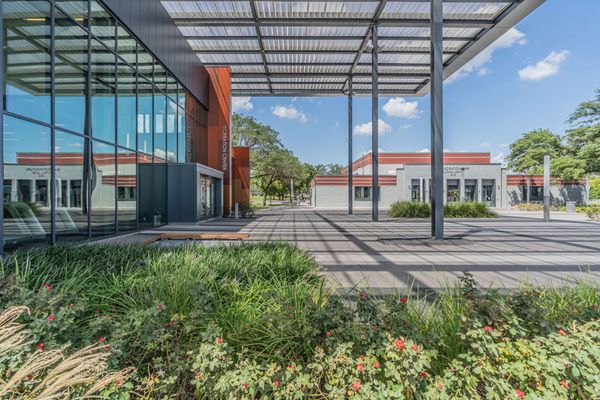
Long before Juneteenth became widely recognized across the United States, Black Houstonians understood exactly why it mattered. In 1872, a group of formerly enslaved men purchased land in Houston so their community would always have a place to gather, remember emancipation, and celebrate freedom. That land became Emancipation Park, a site created for a singular purpose: to honor Juneteenth.
That origin story makes the park remarkable. It was not simply a green space later attached to a historical moment. It was built out of necessity, intention, and collective pride. At a time when Black Texans faced exclusion from many public spaces, creating a permanent home for celebration was an act of self-determination.
More than a place to gather
Emancipation Park tells a larger American story about how communities build institutions when they are denied access, visibility, or welcome elsewhere. The men who purchased the park were not merely securing a location for a holiday picnic. They were protecting memory. They were saying that freedom deserved a stage, and if one did not exist, they would build it themselves.
That decision carries weight even now. Juneteenth marks the delayed arrival of freedom news to enslaved people in Texas, and Emancipation Park became one of the places where that history could be kept alive across generations. The park embodied celebration, but it also embodied instruction. Families gathered there not only to rejoice, but to pass down the meaning of liberation.
A message for a global Houston
As FIFA 2026 brings international attention and visitors to Houston, Emancipation Park stands ready to speak to a much larger audience. Fans may arrive for soccer, but the city has an opportunity to show them something deeper: how public spaces can hold the stories of struggle, joy, and community-making all at once.
For global visitors unfamiliar with Juneteenth, the park can serve as a living classroom. Its history reveals that freedom is not only declared in documents or remembered in speeches. It is also practiced in gathering, celebrating, and claiming space. Emancipation Park makes that lesson visible.
Freedom did not become meaningful only when it was announced. It became meaningful when communities created places to live it, teach it, and celebrate it together.
Why the story still matters
There is something profoundly moving about the fact that this park exists because formerly enslaved people refused to let emancipation become abstract. They turned history into geography. They made liberation local, annual, and communal.
That is why Emancipation Park matters beyond Houston. It shows that public memory is often built from the ground up. It reminds us that freedom celebrations are not just ceremonial. They are acts of preservation.
So when the world comes to Houston in 2026, one of the city’s most powerful landmarks may not be a stadium. It may be this park, created more than 150 years ago by people who understood that joy, remembrance, and dignity all need a home.