Why Was Emancipation Park Created? A Quick Guide to Houston’s Juneteenth Landmark
Did You Know Houston’s Freedom Park Was Built Just to Celebrate Juneteenth?

Why Was Emancipation Park Created? A Quick Guide to Houston’s Juneteenth Landmark

One of Houston’s most important historic sites began with a simple but profound idea: freedom deserves its own place. Here’s what to know about Emancipation Park and why it matters even more as FIFA 2026 approaches.


Share this post

What is Emancipation Park?

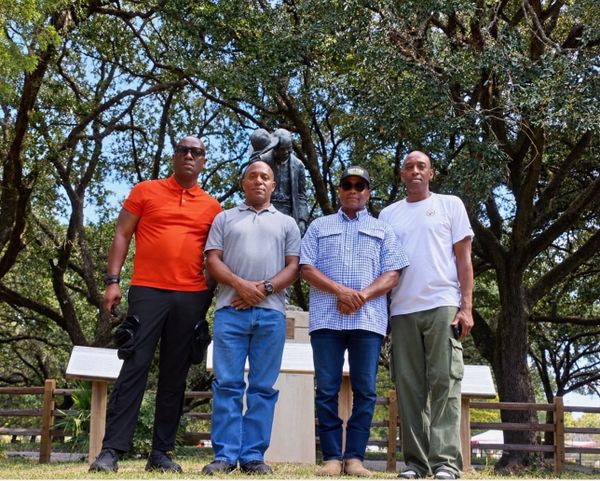
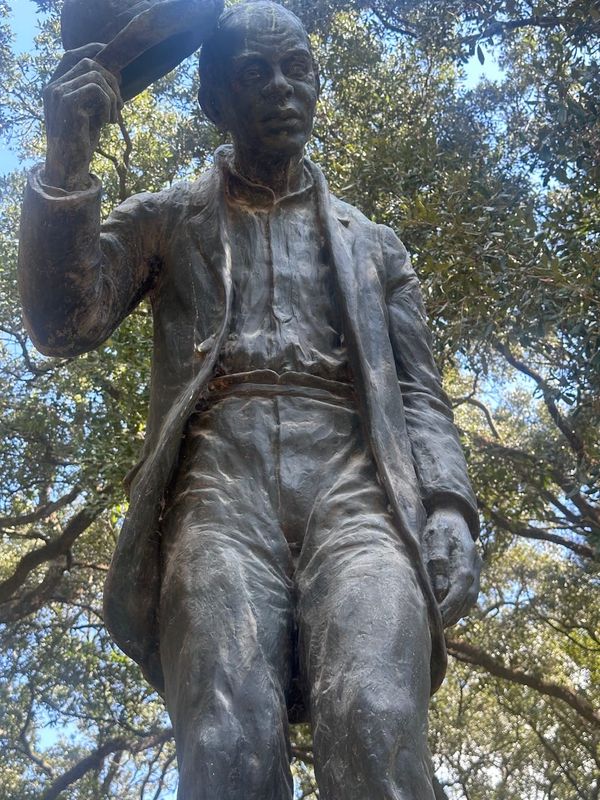
Emancipation Park is a historic park in Houston with a singular origin. It was purchased in 1872 by formerly enslaved Black men so Black Texans would have a permanent place to celebrate Juneteenth, the holiday commemorating emancipation in Texas.

Why is that such a big deal?

Because the park was not just later associated with Juneteenth. It was created for Juneteenth. That makes it a rare example of a public space established specifically to honor freedom and preserve a community’s historical memory.

At a time when Black communities faced exclusion from many public spaces, owning land for celebration and remembrance was a powerful act of self-determination.

Who bought the land?

The source story highlights that it was purchased by formerly enslaved men in Houston. Their decision ensured that Black Texans had a permanent and reliable place to gather, celebrate liberation, and pass the story on to future generations.

What does the park say about Juneteenth?

It shows that Juneteenth was deeply meaningful long before it became widely known outside Texas and Black communities. Emancipation Park existed decades before much of the world recognized the word itself. In other words, the tradition did not wait for mainstream visibility to become important. The community already knew its value.

Why does the park matter now?

Because it helps explain how history lives in everyday places. Emancipation Park is not only a symbol of emancipation; it is proof that communities often create their own institutions when broader society fails to provide room, recognition, or respect.

  • It preserves freedom’s memory in a physical place.
  • It reflects Black community leadership after slavery.
  • It connects celebration with civic belonging.

What does FIFA 2026 have to do with it?

Houston will welcome a global audience during FIFA 2026, and that gives the city a chance to introduce visitors to more than sports venues. Emancipation Park can serve as a living classroom for international fans who may be unfamiliar with Juneteenth but interested in the deeper stories that shape Houston.

For those visitors, the park offers an important lesson: freedom is not only proclaimed in history books. It is also built into spaces where people gather, celebrate, and affirm one another’s dignity.

Emancipation Park shows how a community turned liberation into a place, ensuring that freedom would be remembered not just in words, but in shared public life.

What is the main takeaway?

Emancipation Park matters because it was created with purpose. Formerly enslaved men bought land so Black Texans could celebrate Juneteenth every year in a space of their own. That act transformed a local park into a lasting national lesson about memory, joy, and self-made civic history.

As the world looks toward Houston in 2026, this may be one of the city’s most meaningful stories to tell.

Share this post
Comments

Be the first to know

Join our community and get notified about upcoming stories

Subscribing...
You've been subscribed!
Something went wrong
"This Is Your Library": The Obamas Surprise Students at the Obama Center
President and Mrs. Obama read "Where the Wild Things Are" by Maurice Sendak to children in the new branch of the Chicago Public Library at The Obama Presidential Center in Chicago, IL, on June 19, 2026. Credit: The Obama Foundation

"This Is Your Library": The Obamas Surprise Students at the Obama Center

President Barack Obama and Michelle Obama surprised 25 students from nearby Hyde Park school William H. Ray Elementary at the Obama Presidential Center's Chicago Public Library branch at 10:15 a.m. The Obamas came out to read Maurice Sendak's children's classic "Where the Wild Things Are" and spent about 24 minutes reading as well as taking pictures with the students and teachers afterwards. "Are you telling stories up in here?" President Obama said to the kids after walking into the main read


Tré Exclusives

Tré Exclusives

A Surprise Welcome: The Obamas Greet First Visitors to Their Presidential Center
All Together by Jules Julien in The Obama Presidential Center Museum in Chicago, IL, on March 1,2026 Credit: The Obama Foundation

A Surprise Welcome: The Obamas Greet First Visitors to Their Presidential Center

In a surprise appearance, the Obamas greeted the first 100 visitors to the Obama Presidential Center that first opened to the public on Juneteenth on Chicago's South Side. In awe, guests shook hands with former President Barack Obama and Michelle Obama against the backdrop of a colorful, 38-foot-tall painting depicting a map of Chicago stretching to the ceiling – inspired by Carl Sandburg's 1914 poem about the city: "stormy, husky, brawling, City of the Big Shoulders."   The room is framed by


Tré Exclusives

Tré Exclusives

The Power Behind The Curtain: Paul Tetreault
Image by Mariya Dempsey/Canva

The Power Behind The Curtain: Paul Tetreault

In the midst of change, social and political disarray, and division, art is something that has the power to bring people of all walks of life together.  For some, communal artistry can lie in painting or animation; for me, the heart of it lives in the theatre.  When I was around 6 years old, I remember going to Ford’s Theatre in Washington, D.C. for the first time to see its yearly production of A Christmas Carol. As a young girl, always inspired by the theatre, I found joy in watching a produ


Mariya Dempsey

Mariya Dempsey