
A Public Health Approach, Answered Simply
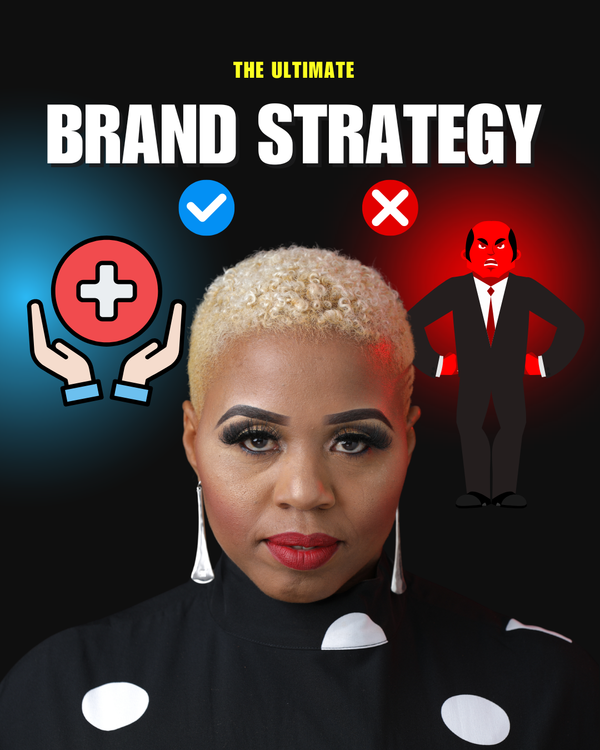
At first glance, public health may not be the phrase most people associate with World Cup planning. But in Houston, Stephanie Coleman is helping change that conversation. As the city gets ready for an influx of international visitors, her focus on informed, safe, and inclusive engagement offers a broader way to think about what successful hosting really requires.
So why public health?
Because events on the scale of the World Cup affect far more than the matches themselves. They shape traffic patterns, strain public systems, increase the need for clear communication, and put residents and visitors into unfamiliar, crowded settings. Public health is a useful lens because it asks how to protect wellbeing across all of those conditions.
That means thinking about prevention, preparedness, access to information, and coordination across the city. It is not only about medical care. It is about the systems that help people stay safe and informed in complex environments.
What does “informed engagement” mean?
It means people need understandable guidance before and during the event. Visitors should know how to get around, where to find assistance, and what resources are available. Residents should know how the city will change during the tournament, from transit adjustments to public service impacts.
If communication is inconsistent or inaccessible, confusion can spread quickly. Coleman’s framing suggests that clear public information is one of the most important tools any host city has.
And what about “safe engagement”?
Safe engagement expands the conversation beyond venue security. It includes emergency readiness, coordination among institutions, and the ability to support people in public spaces beyond the stadium. Think transportation corridors, fan areas, sidewalks, neighborhoods, and workplaces connected to event activity.
For Houston, that matters because the World Cup will create pressure points across the city. A public health lens asks whether systems are ready not just for planned crowds, but for the unpredictable needs that come with them.
Why emphasize inclusion?
Because a city cannot be fully prepared if its strategy only works for some people. Houston is welcoming a global audience into a deeply diverse local community. Language access, cultural awareness, accessibility needs, and trust in public institutions all affect whether people can engage confidently with the event.
- Visitors need clear, culturally accessible guidance.
- Residents need timely communication about disruptions and services.
- Workers need support as they help sustain the event experience.
Inclusion is not separate from readiness. It is one of the clearest signs of readiness.
Why does Stephanie Coleman’s role matter now?
Because this is the moment when cities decide what kind of host they want to be. Houston can approach the World Cup as a logistical challenge alone, or it can see it as a civic test of how well it communicates, protects, and welcomes people at scale. Coleman is advocating the second path.
Her message is timely and practical. A city that prepares through a public health lens is better positioned to manage crowds, reduce confusion, strengthen trust, and create a more positive experience for everyone involved. It is a way of saying that successful hosting is not just about pulling off a spectacle. It is about building an environment where people can participate safely and confidently.
That is ultimately what Houston will be judged on. Long after the final whistle, what many will remember is whether the city made a global event feel manageable, welcoming, and humane. Coleman’s approach points directly toward that goal.