
A bigger stage for an older story
There is a familiar pattern to mega-events. The world arrives, cameras point at the venue, visitors follow the same corridors, and a city gets reduced to a handful of images. In 2026, Houston can break that pattern.
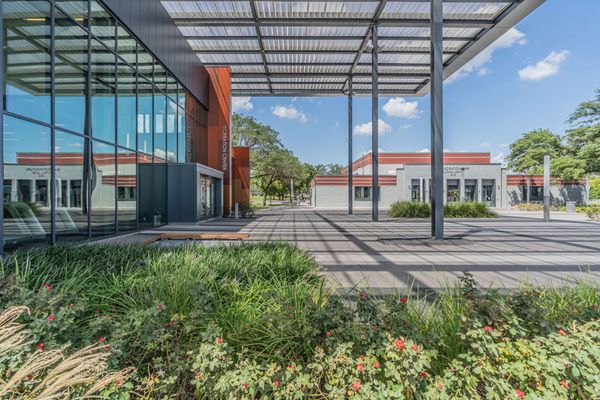
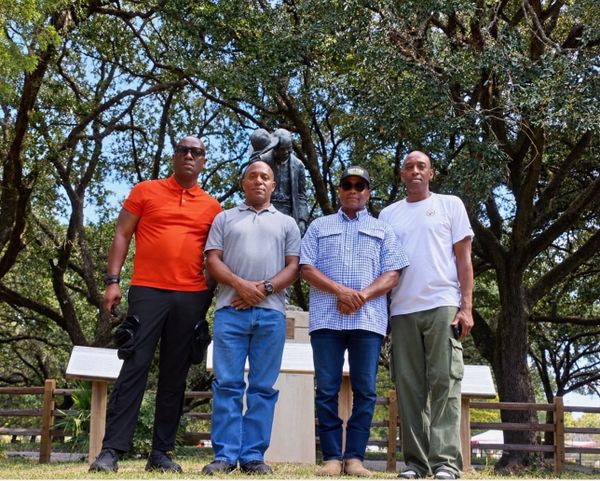
Yes, NRG Stadium will host seven FIFA World Cup matches, a major honor and a major draw. But the more distinctive fact is what sits nearby: Emancipation Park and other historic Juneteenth sites that many visitors have never heard of. Their closeness to the stadium creates a rare cultural opening.
What sports usually miss
Sports are powerful at generating emotion, community, and global connection. They are less reliable at delivering historical depth. Fans often leave with memories of goals, chants, and city nightlife, but not necessarily with any understanding of the places they briefly occupied.
Houston does not have to accept that limitation. It can use the tournament to make local history visible—especially a freedom history with national importance and international relevance.
Why Juneteenth belongs in the 2026 conversation
Juneteenth has become far more widely recognized in recent years, but recognition is not the same as understanding. For many visitors, the holiday remains a name without a landscape. Houston can help change that by inviting people to visit places where the meaning becomes concrete.
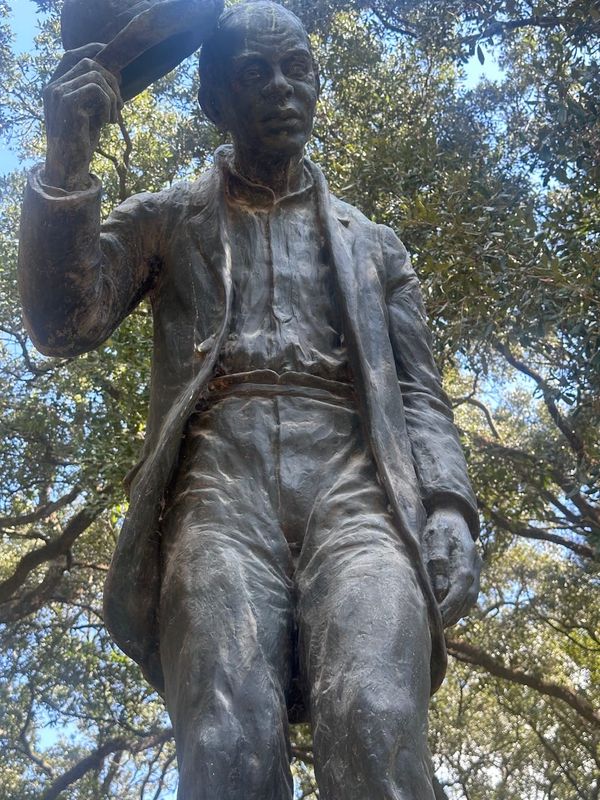
Emancipation Park is central to that invitation. It represents not just remembrance, but the endurance of public space shaped by Black civic life. In the context of a World Cup, it offers something unusually valuable: authenticity that does not need to be staged.
From match days to meaning
The phrase freedom tour captures the possibility well. Instead of treating heritage sites as optional add-ons, Houston can frame them as part of the city’s essential welcome. A fan’s itinerary can include both the spectacle of a world tournament and the reflection prompted by nearby Juneteenth landmarks.
- The World Cup brings the audience.
- Houston’s Juneteenth sites provide the deeper story.
- The short distance between them makes connection practical.
- The result could be a more memorable and more honest host-city experience.
What kind of legacy matters?
Cities often talk about legacy in terms of infrastructure, revenue, and reputation. Those things matter. But cultural legacy matters too. What does a city choose to reveal about itself when it has the world’s attention?
Houston’s best 2026 story may be that it used a global sporting event to point visitors toward a local history of freedom.
That approach would do more than diversify tourist activity. It would widen public understanding. It would remind visitors that the most important landmarks in a host city are not always the newest, biggest, or loudest ones.
The opportunity in front of Houston
Houstonians are being handed a once-in-a-generation chance. Seven matches at NRG Stadium will supply the momentum. Nearby Juneteenth landmarks supply the meaning. Bringing those two forces together could give the city something every host wants but few achieve: a story people remember not just for the event, but for what the event helped them discover.