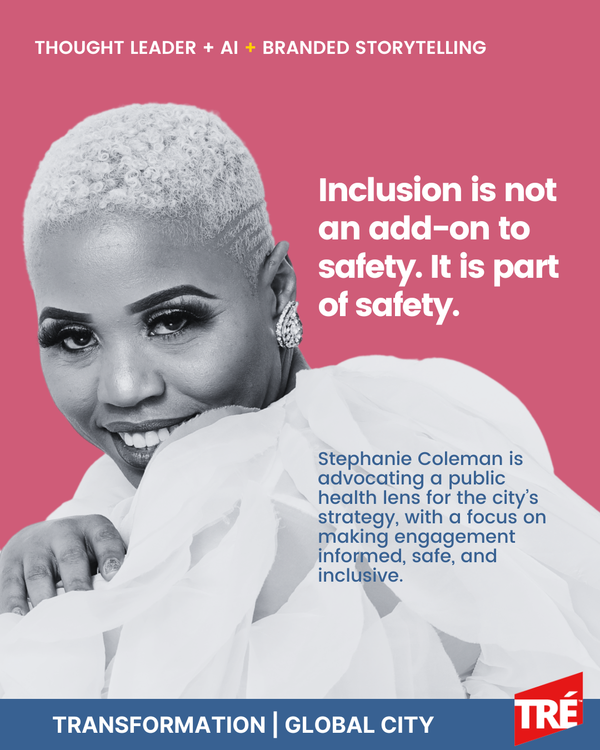
The World Cup Is Bigger Than the Matches
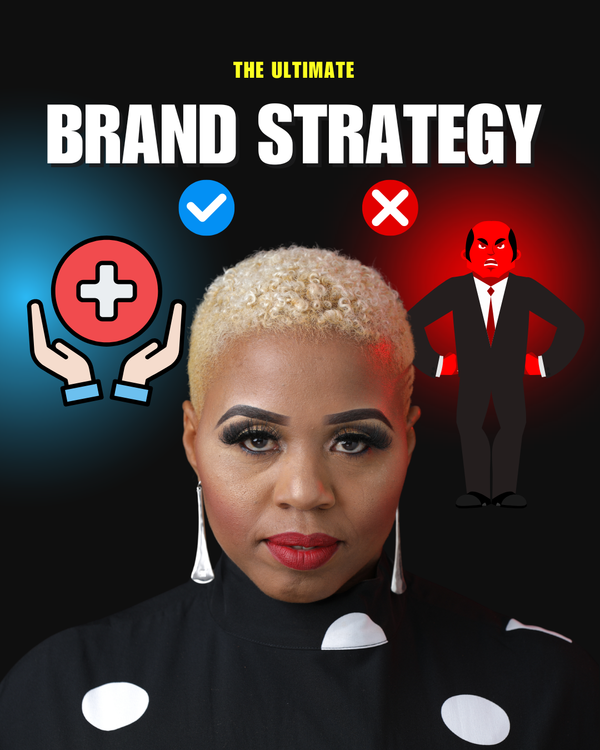
Houston’s World Cup preparations are likely to involve the usual checklist: transportation, security, tourism coordination, venue readiness, and crowd management. Stephanie Coleman is highlighting another crucial layer. She is advocating a public health lens for the city’s strategy, with a focus on making engagement informed, safe, and inclusive as Houston welcomes an influx of international visitors.
For anyone wondering what that means in practice, the answer is broader than medical care alone. Public health, in this context, is about the conditions that help people move through a city safely and confidently during a massive global event.
First: Informed Engagement
Large international gatherings can be confusing even for experienced travelers. Visitors may not know local transit routes, emergency numbers, health resources, or event procedures. Residents may be uncertain about street closures, service changes, or how to access assistance in busy areas. Coleman’s emphasis on informed engagement suggests that communication must be proactive, clear, and widely accessible.
That could mean multilingual information, easy-to-understand public guidance, and consistent updates that help both visitors and Houstonians navigate the event environment. Information is not a side issue. In a crowded, fast-moving setting, confusion can become a safety problem very quickly.
Second: Safe Engagement
Safety is often discussed narrowly during sports planning, usually in terms of security. A public health approach expands that definition. It includes emergency readiness, coordination among agencies, and support systems that can respond to the needs of large, diverse populations moving through shared spaces.
For Houston, this matters because the World Cup will bring added strain to public infrastructure and services. A safe experience depends not just on what happens inside official venues, but on how effectively the city handles the spaces around them: transit hubs, fan zones, sidewalks, local businesses, and neighborhoods affected by event traffic.
- Can people quickly find help if they need it?
- Are systems prepared for language and accessibility barriers?
- Is public guidance consistent and easy to follow?
Third: Inclusive Engagement
Coleman’s message also makes clear that inclusion should be built into planning from the beginning. Houston is one of the country’s most diverse cities, and the World Cup will add another layer of global diversity. That means city strategy must reflect a wide range of languages, cultural expectations, and community experiences.
Inclusive engagement is about who gets considered when decisions are made. It includes visitors, but it also includes residents, workers, families, and communities near event activity. If planning only serves the easiest audiences to reach, it leaves the city less prepared overall.
Inclusion is not an add-on to safety. It is part of safety.
Why Coleman’s Framing Matters
What makes this approach compelling is that it helps Houston think beyond spectacle. The World Cup will bring energy, attention, and economic opportunity. But a city’s reputation during an event this large is often shaped by everyday experiences: whether directions were understandable, whether public systems felt dependable, whether people felt welcome.
By calling for a public health lens, Stephanie Coleman is asking Houston to organize its strategy around people, not just performance metrics. That does not replace traditional planning. It makes traditional planning smarter. If the city can combine operational strength with public trust and inclusive communication, it will be better positioned not only to host a successful tournament, but to show what responsible global hospitality looks like.