
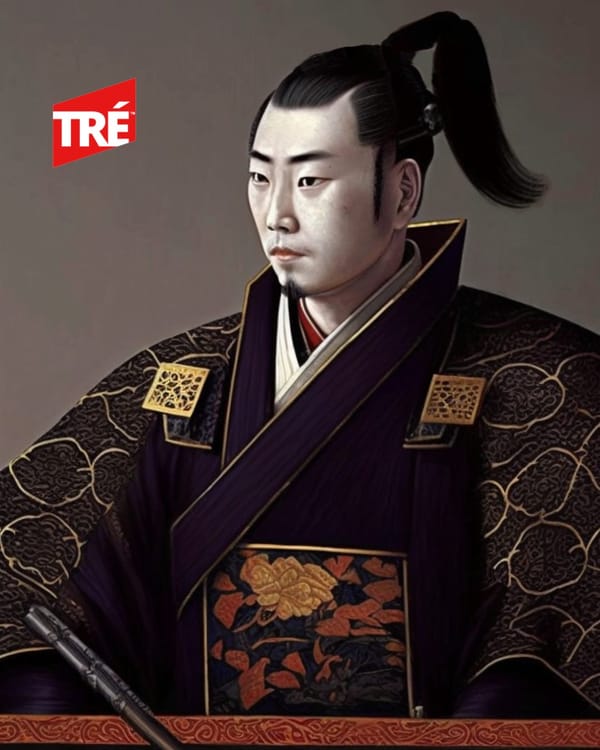
Tokyo’s vibrant dining scene owes much to the ingenuity and spirit of the Edo period. As Edo (now Tokyo) grew into Japan’s bustling political and cultural heart, its food culture flourished—giving rise to dishes that remain central to Japanese identity today.
Edomae-zushi, or Edo-style sushi, was born from the city’s need for fast, fresh meals. Sushi vendors ingeniously preserved fish from Tokyo Bay with vinegar, salt, or soy, creating hand-pressed nigiri that could be eaten on the go—an innovation that shaped the sushi we love worldwide.
Tempura, introduced by Portuguese traders, evolved in Edo into a light, crisp delicacy. Chefs perfected the batter, deep-frying seafood and vegetables in sesame oil for flavor and texture, often served with a savory dipping sauce. Soba noodles, made from buckwheat, became a staple for Edo’s working class, with standing soba stalls offering quick, nourishing meals.
Eel, or unagi, was popularized in kabayaki style—filleted, steamed, grilled, and glazed with a sweet soy sauce. This preparation, unique to Edo, remains a beloved Tokyo specialty.
These dishes not only satisfied Edo’s energetic population but also reflected a new appreciation for food as enjoyment and artistry. Today, Tokyo’s Michelin-starred restaurants and humble noodle shops alike celebrate this legacy, inviting global citizens to taste centuries of innovation and tradition in every bite.
Hashtags:
#EdoCuisine
#TokyoFoodCulture
#JapaneseDining
Backlinks for Further Exploration: