
A practical guide to the bigger idea behind Houston’s planning
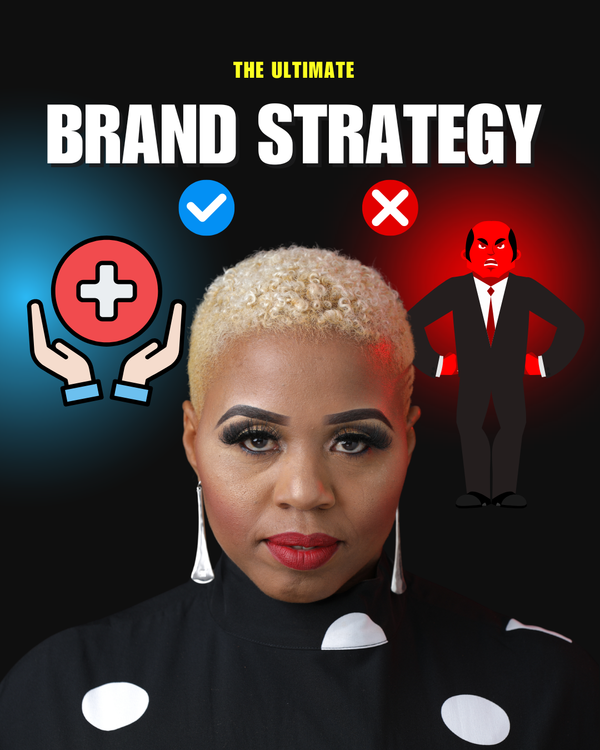
As Houston prepares for the World Cup, one phrase stands out in the conversation around strategy: public health lens. Stephanie Coleman is championing that perspective, and it raises an important question for anyone following the city’s plans.
Why bring public health into World Cup planning at all?
Because large international events affect more than sports fans. They shape transportation, communication, emergency readiness, access to services, and how people move through public spaces. A public health lens looks at the wellbeing of the population as a whole, not just the mechanics of event operations.
For Houston, that matters because the city is preparing for an influx of international visitors while also managing the needs of residents, workers, and neighborhoods.
What is Coleman really advocating for?
At the center of her approach is a clear theme: engagement with the World Cup should be informed, safe, and inclusive. Those three ideas sound simple, but together they point to a broader standard for host-city readiness.
- Informed: People need accurate, accessible information before and during the event.
- Safe: The city must prepare systems to reduce preventable risks and handle high demand.
- Inclusive: Planning should reflect the needs of diverse communities and international visitors alike.
Is this just about emergencies?
No. That is one of the most useful parts of the public health framework. It is not limited to crisis response. It includes prevention, communication, coordination, and access. In practice, that means thinking ahead about how people will understand city guidance, where they can go for help, and whether they feel confident engaging with Houston during a period of intense activity.
Why is inclusion such a major part of the conversation?
Because Houston is an exceptionally diverse city, and the World Cup will only increase that diversity in motion. Visitors will arrive from around the world with different languages, assumptions, and needs. Residents themselves represent many communities with different levels of access to resources and information.
If planning does not account for that complexity, confusion and inequity can grow quickly. Inclusion, in this context, is not merely about representation. It is about making the system work.
What does success look like under this approach?
Success would mean more than packed venues and positive headlines. It would mean that people can navigate the city with clarity, that services hold up under pressure, and that residents do not feel forgotten while Houston presents itself to a global audience.
It would also mean that the city uses this moment to strengthen capabilities that remain valuable afterward: better outreach, stronger coordination, and deeper trust between institutions and the public.
Coleman’s core argument is that world-class hosting requires people-centered planning, not just event-centered planning.
Why does this matter now?
Because the choices Houston makes in preparation will shape not only the visitor experience, but also the city’s long-term civic capacity. A World Cup strategy built through a public health lens offers a more complete version of readiness—one that sees safety, information, and inclusion as essential to success.
In that sense, Coleman is not changing the subject from the World Cup. She is clarifying what responsible preparation actually involves.