
Legacy Should Begin Before the Final Whistle
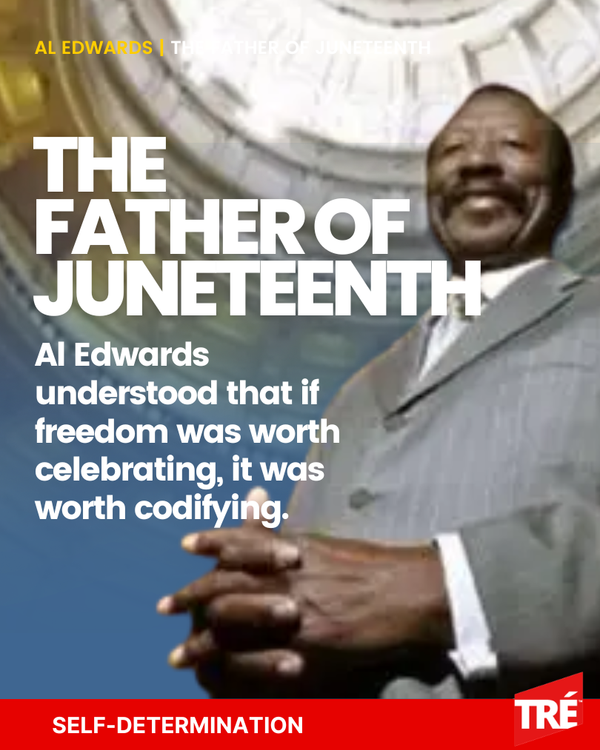
Houston already knows how to stage meaning in public. Every Juneteenth, the city draws on a long tradition of parades, park gatherings, and spiritual reflection, often anchored by Emancipation Park. Those observances speak to more than history. They express a civic expectation that freedom should be visible, communal, and taken seriously.
That expectation should shape how Houston approaches the World Cup. The arrival of campaigns like “Unite for Education” gives the city an opening to demand more from a mega-event than temporary excitement. If organizers, sponsors, and local officials want to talk about impact, they should be prepared to define it in ways that Black communities can actually feel.
What Houston Should Do Now
The most effective legacy plans do not wait until after the event to decide what mattered. They set priorities early and build accountability into the process. For Houston, that means centering Black communities not as ceremonial participants but as beneficiaries of long-term planning.
- Create education partnerships with local schools and youth organizations that continue after the tournament
- Direct resources into historically Black neighborhoods through infrastructure, programming, and institutional support
- Expand procurement access so Black-owned businesses can participate in event-related economic activity
- Publish measurable goals and follow-up reports to show whether promises were met
These steps are not radical. They are simply what it looks like to treat social-impact campaigns as obligations rather than marketing themes.
Why This Matters More in Houston
Houston’s Juneteenth history raises the stakes. In a city where emancipation is publicly remembered through enduring communal traditions, there is less room for empty rhetoric. Emancipation Park stands as a reminder that Black civic spaces are not decorative. They are foundational. Any event that draws on that history, implicitly or explicitly, should leave behind value that outlasts the fanfare.
NRG Stadium may become the focal point for global attention, but a genuine legacy will be measured elsewhere: in classrooms, neighborhood institutions, small-business opportunities, and public budgets. If “Unite for Education” is meaningful, then Houston should be able to point to educational improvements after the matches are over. If broader social campaigns are sincere, they should result in visible investments rather than polished memories.
A successful tournament is temporary. A successful civic legacy is something residents can still name years later.
That is the standard Houston should adopt now. Not whether the city can host visitors well, but whether it can leverage that attention into policy wins for Black communities that have long shaped its identity. Juneteenth offers the moral framework; the World Cup offers the moment. What happens next depends on whether Houston chooses to connect the two.
If it does, the city could turn celebration into something more durable: proof that global events can support local justice. If it does not, this will be remembered as another season of big promises that left too little behind.