
A lesson in timing, not just principle
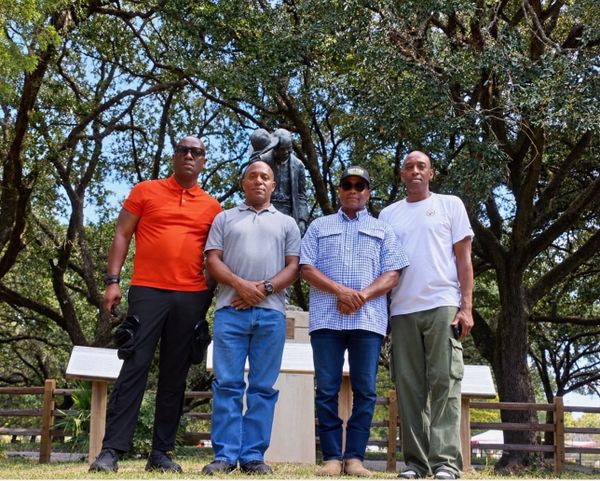
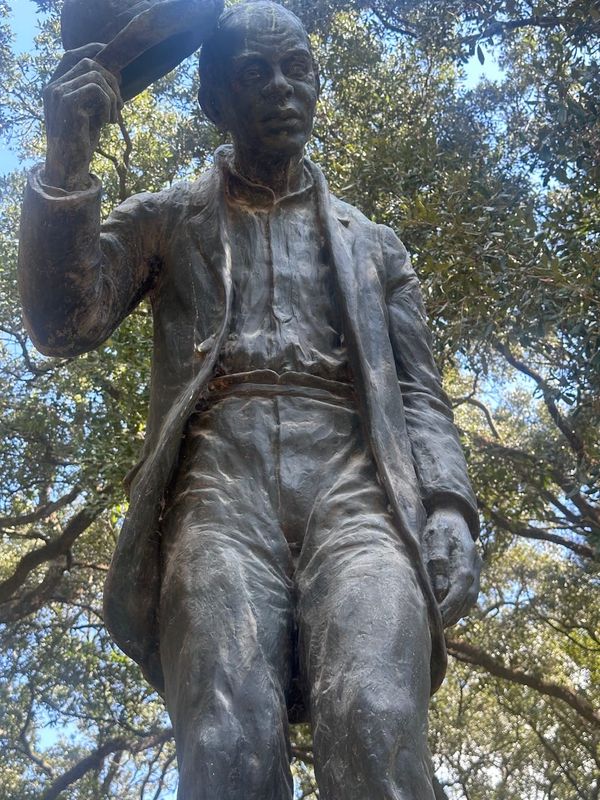
Juneteenth commemorates the news of emancipation reaching enslaved people in Texas nearly two and a half years late. It is a celebration, yes—but also a reminder that justice can be declared without being delivered. That is why Juneteenth remains such a powerful civic lesson: it shows that delay is not neutral. It changes lives.
As FIFA looks toward 2026 with campaigns like “No Racism” and “Football Unites the World,” that lesson could not be more relevant. Football has spent years expressing the right values. The challenge now is making sure those values arrive in practice, not just in messaging.
The credibility gap in football
Global football is full of anti-racist language, but fans and players continue to press for fair treatment and stronger action. That tension points to a basic problem: institutions often communicate their ideals faster than they enforce them. The result is a credibility gap. The slogans sound immediate; the protection does not.
Juneteenth helps name that problem. It reminds us that what matters is not only whether justice exists in principle, but whether it reaches people in time to change their lived reality.
What FIFA could do differently
If FIFA wanted to draw a practical lesson from Juneteenth, it could redesign its campaigns around urgency and accountability. That would mean moving beyond awareness and toward delivery.
- Build rapid-response systems: Every reported racist incident should trigger clear, immediate procedures.
- Create visible accountability: Fans and players should know what consequences follow and how decisions are made.
- Use campaigns to inform, not just inspire: Messaging can explain reporting tools, protections, and standards.
- Involve players and supporters directly: Those closest to the issue can identify where delay and inconsistency still exist.
- Report outcomes publicly: Transparency would give “No Racism” measurable meaning.
Why this matters for 2026
The 2026 tournament will be watched by millions, making FIFA’s moral posture especially visible. That scale creates a choice. FIFA can use anti-racism campaigns as polished statements of identity, or it can use them as a promise of timely action. The first approach may generate headlines. The second builds trust.
Juneteenth’s most enduring warning is that a right delayed can still function like a right denied.
From message to mechanism
This is where many institutions struggle. They mistake awareness for progress. But awareness alone does not protect a player facing abuse or reassure a supporter who sees discrimination tolerated too often. Mechanisms matter. Enforcement matters. Speed matters.
That does not mean FIFA can solve racism through one tournament or one campaign. It does mean the organization can decide whether its values are merely promotional or operational. It can choose whether unity is a mood or a standard.
The real opportunity
Juneteenth offers FIFA more than a metaphor. It offers a framework. A campaign is meaningful when it closes the gap between what is declared and what is experienced. If “Football Unites the World” is to be more than an uplifting phrase, then the world of football must feel safer, fairer, and more responsive to those who have too often been told to wait.
That is the challenge for 2026. Not simply to condemn racism loudly, but to confront delay itself. Because when institutions move too slowly on justice, they are not standing still. They are allowing harm to continue.