Not every landmark needs spectacle
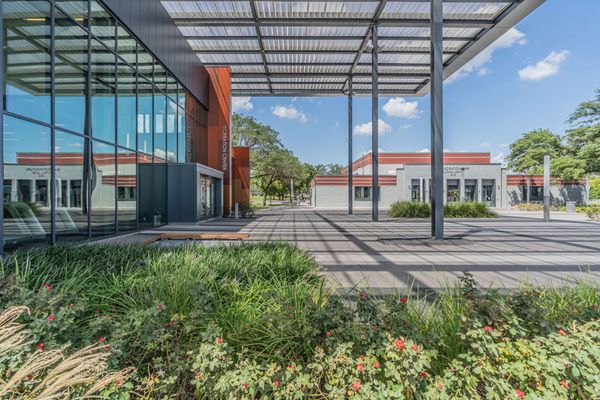
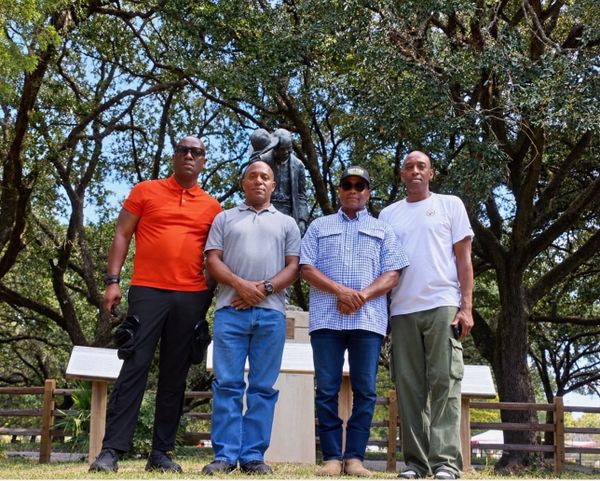
As Houston prepares for the international spotlight of FIFA 2026, there will be understandable excitement about stadiums, crowds, and the polished image cities present to the world. But if Houston wants to show something truly memorable, it should point visitors toward Emancipation Park.
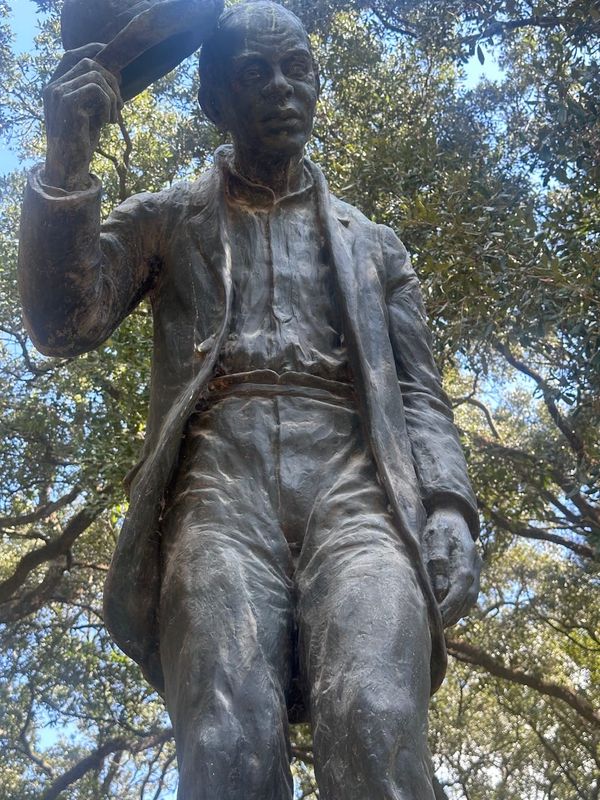
Why? Because the park represents a form of civic greatness that is too often overlooked. In 1872, formerly enslaved men purchased the land for a single, powerful purpose: to give Black Texans a permanent place to celebrate Juneteenth. That is not just historical trivia. It is one of the clearest examples of a community building its own public stage for freedom.
A deeper kind of city story
Too often, cities market themselves through scale and novelty. Yet the most meaningful places are frequently those that reveal how people fought to belong. Emancipation Park does exactly that. It tells us that freedom was not simply announced and then universally embraced. It had to be marked, protected, and celebrated in spaces communities could trust as their own.
The park’s existence also challenges a common habit in public memory: waiting for mainstream recognition before valuing a story. Juneteenth is now widely known, but Emancipation Park was preserving that history long before the wider culture caught up. Black Houstonians did not need permission to know this mattered.
Why the world should encounter this place
Global sporting events can be opportunities for cultural exchange, but only if host cities choose substance over surface. Emancipation Park offers visitors a chance to learn something essential about Houston, Texas, and the United States: communities excluded from power still found ways to create beauty, ceremony, and continuity.
- It reflects resilience rather than branding.
- It teaches history through a site built with intention.
- It centers joy as part of liberation, not as an afterthought.
That last point matters. Emancipation Park is not only about suffering and struggle. It is about celebration. It reminds us that joy can be a historical act, especially when people claim the right to gather publicly in honor of their freedom.
Emancipation Park deserves global attention not because it is grand, but because it reveals how freedom becomes real: in places people make for one another.
The case for centering it now
If Houston wants to tell an honest story in 2026, it should elevate landmarks like this one. Emancipation Park shows the city at its most human and most instructive. It demonstrates that some of the most important civic spaces are not imposed from above but built from within a community’s determination to remember itself.
Visitors may arrive talking about matches and teams. They should leave having encountered a place that expands their understanding of American history. Emancipation Park can do that. It stands as a reminder that before the world knew the word Juneteenth, Black Houstonians were already making sure freedom would have a permanent home.