
A city with the tools to lead
Big cities often fall into the same trap when they talk about the future. They chase the next shiny identity, the next slogan, the next promise of transformation. Stephanie Coleman’s vision for Houston cuts against that instinct. Her idea is not that Houston needs to become something entirely new. It is that the city needs to better connect what it already does extraordinarily well: culture, health, and communication.
That is a more grounded and, arguably, more powerful proposition. Houston does not lack assets. It has global cultural depth, world-recognized health institutions, and the scale to influence conversations far beyond Texas. What it has often lacked is a unified way of presenting those strengths as part of one coherent civic story.
The case for cultural confidence
Too often, culture is treated as an accessory to a city’s economic ambitions. But a city without cultural confidence struggles to explain why it matters. Houston’s diversity is one of its defining facts, yet the real opportunity lies in turning that fact into a fully embraced public identity. In Coleman’s framework, culture is not just what residents enjoy on weekends. It is the living proof that Houston belongs in any global conversation.
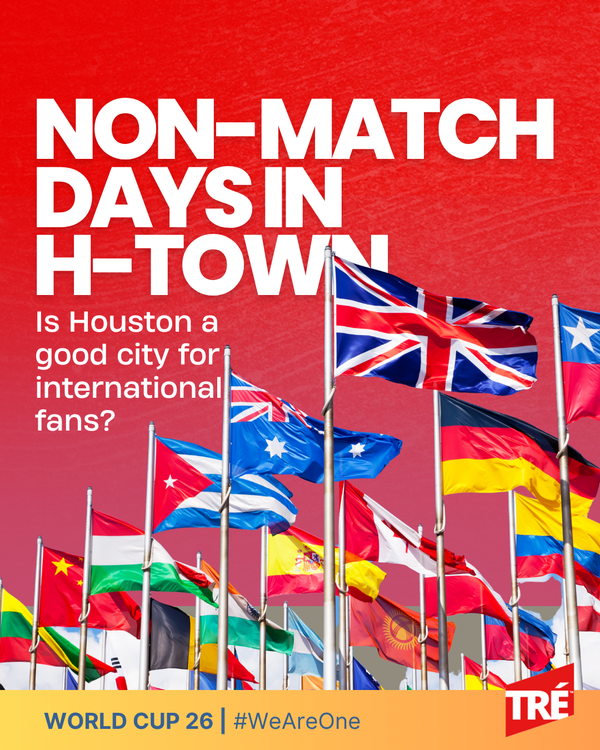
That matters as 2026 approaches. The cities that stand out internationally are not always the loudest. They are the ones that know who they are.
Health is more than an industry
Houston’s role in health is already significant, but Coleman’s vision pushes that strength into a broader civic context. Health can be one of the city’s clearest signals to the world that Houston is a place of innovation, care, and practical leadership. It demonstrates both expertise and humanity, a combination cities increasingly need if they want to build trust.
This is where Houston has a rare opportunity. By linking health leadership to the city’s public identity, Houston can project not just technical excellence but a values-based vision of progress.
Why communication is the missing link
None of this works if the message remains fragmented. Communication is often the least glamorous part of any city strategy, but it may be the most decisive. If Houston speaks in disconnected institutional voices, it weakens the power of everything else. If it communicates with clarity and shared purpose, its strengths reinforce one another.
- Culture gives Houston authenticity.
- Health gives Houston authority.
- Communication gives Houston cohesion.
That is why Coleman’s emphasis feels timely. Before 2026, Houston does not need another identity experiment. It needs stronger bridges between what the city is, what it offers, and how it tells that story. Alignment may sound less dramatic than reinvention, but it is often what separates cities that merely grow from cities that truly lead.
Houston’s next chapter will be shaped not by how loudly it announces itself, but by how clearly it connects its strengths. On that front, Coleman’s vision is less a branding exercise than a civic discipline.